What cable gauge and length do I need for PoE camera runs?
Use Cat6 or better; voltage drop exceeds 15% of 48V on poorly sized runs, causing cameras to reboot or run at reduced power. Runs under 200 feet use 24AWG; longer runs demand 22AWG. Always test DC resistance and voltage at the camera connector before final approval.
Should I use shielded or unshielded cabling in my facility?
Unshielded (UTP) works in clean office environments; shielded (STP/FTP) is essential near high-voltage lines, radio transmitters, or welding equipment. Proper grounding of the shield (single-point at the source) prevents floating-shield noise that can corrupt video and access control signals.
How do surge suppressors protect my cameras, and do they add latency?
Inline surge arrestors clamp transient voltages (lightning, utility switching) before they reach cameras or access control devices. Passive TVS-based suppressors add <1 ns latency—imperceptible for video and control signals. They're essential insurance in areas with frequent storms or near electrical substations.
Can I use fiber optic media to replace long copper runs?
Yes. Fiber eliminates distance limitations and EMI completely, ideal for multi-building campuses and electrically noisy environments. Use multi-mode for runs <2 km (cheaper); single-mode for longer distances. Media converters (fiber-to-copper) connect fiber backbone to PoE switches and recorder devices.
What's the difference between Cat6 and Cat6A, and when do I need Cat6A?
Cat6 handles Gigabit to ~250 feet; Cat6A ensures multi-gigabit performance and lower crosstalk over longer distances and higher frequencies. Choose Cat6A for high-bitrate 4K camera deployments and long backbone runs. For typical analog and 1080p PoE, Cat6 suffices and costs less.
How do I organize cabling in a central rack without creating a maintenance nightmare?
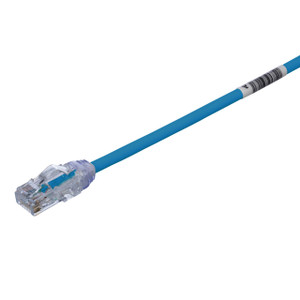
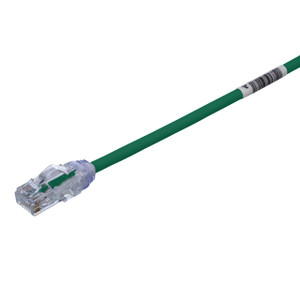
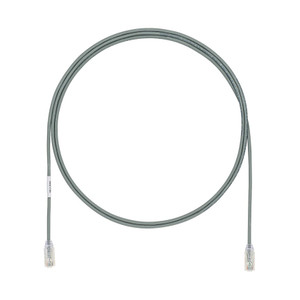
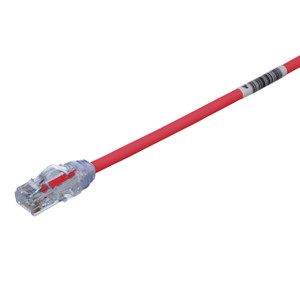
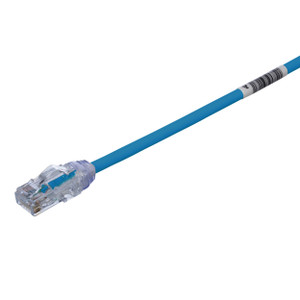
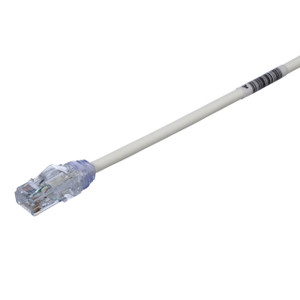
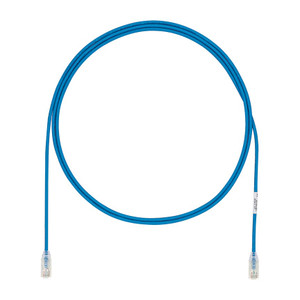
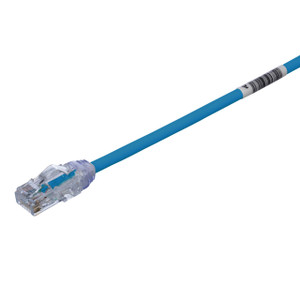
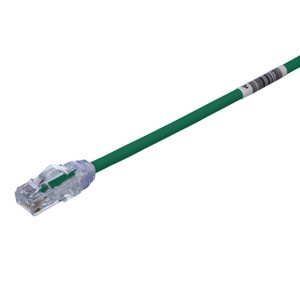
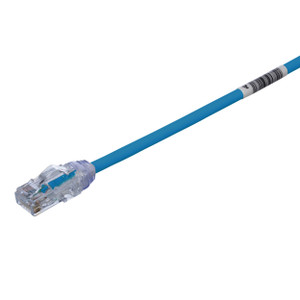
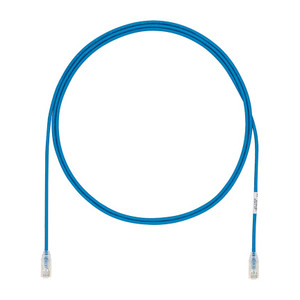
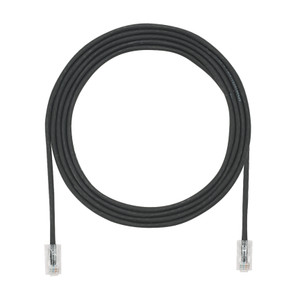
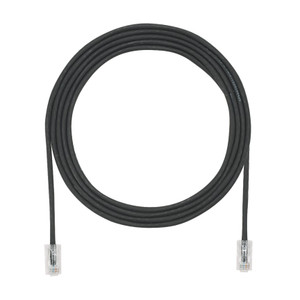
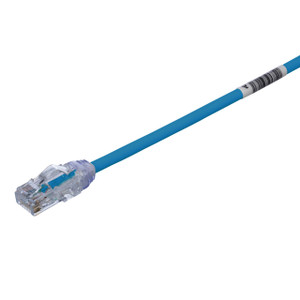
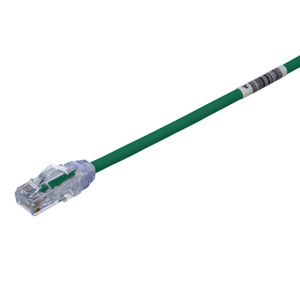
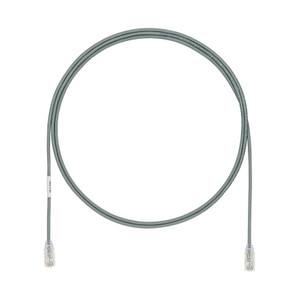
Use punch-down patch panels to terminate bulk cable runs; label every port; maintain a port-assignment map. Patch cables (6–10 feet) connect patch panel to PoE switches and recorders. This modular approach simplifies troubleshooting, camera relocation, and future upgrades. Surge protection at the patch panel protects the entire system downstream.