Showing Results for Indoor IP Cameras
-
Save $27.01

Axis P1385 2MP Indoor Box IP Camera - 02733-001
2MP box camera with Lightfinder 2.0 for low-light indoor surveillance
- 1920×1080 at 60fps with 0.025 lux minimum illumination for color detail
- Forensic WDR balances high-contrast scenes without IR wash-out
- Varifocal CS-mount lens 2.8–13mm (121–26° FOV) for flexible positioning
In stock · Ships same business day Free shipping over $499$869.00 $841.99 Save $27.01 -
Save $18.01

Axis M1137 Mk II 5MP Indoor Box IP Camera - 02484-001
5MP box camera with Lightfinder low-light color; PoE powered
- 5MP resolution (3072×1728) @ 30fps with interchangeable lens for flexible coverage
- Lightfinder preserves color detail in near-darkness without dedicated IR illumination
- PoE (802.3af) single-cable power and data; H.264 Zipstream compression saves bandwidth
In stock · Ships same business day Free shipping over $499$619.00 $600.99 Save $18.01 -
Save $17.01
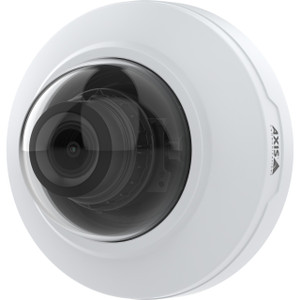
Axis M4216-V 4MP Varifocal Indoor Dome Camera - 02112-001
4MP indoor dome with color night vision to 0.18 lux and remote zoom
- Lightfinder technology captures color detail in near-darkness without IR fallback
- 3-6mm varifocal lens with remote zoom and autofocus for flexible positioning
- 4MP @ 30fps with H.264 Zipstream compression reduces storage on 24/7 recording
In stock · Ships same business day Free shipping over $499$549.00 $531.99 Save $17.01 -
Save $10.01

Axis F2107-RE 5MP Standard Sensor - 02868-001
5MP modular sensor, IP66/67/6K9K rated for outdoor industrial use
- 5MP resolution with 110° field of view for detailed wide-area coverage
- IP66, IP67, and IP6K9K rated—resists dust, water jets, high-pressure cleaning
- Compact modular form factor with standard SMA connector for flexible integration
Usually Ships in 2-3 Weeks Free shipping over $499$319.00 $308.99 Save $10.01 -
Save $30.01

Axis P3278-LV 8MP Indoor AI IR Dome Camera - 03154-001
8MP indoor dome with Lightfinder low-light + built-in 15–20m IR
- 8MP (3840 × 2160) with Forensic WDR for facial ID and evidence-grade detail
- Lightfinder 2.0 maintains full color in near-dark; OptimizedIR 850nm fallback
- PoE+ powered, varifocal 4.4–14.6mm lens, IP54 rated, wall/pendant/recessed mount
In stock · Ships same business day Free shipping over $499$1,029.00 $998.99 Save $30.01 -
Save $11.01
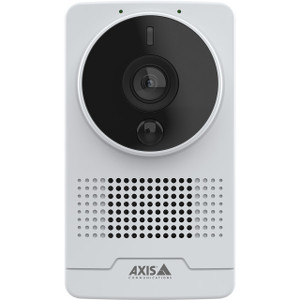
Axis M1075-L 2MP Indoor Camera - 02350-001
2MP box camera with IR night vision and PoE power for indoor low-light
- 1080p @ 30fps with 0.18 lux sensitivity and 10–15m IR range for dark spaces
- H.264 and H.265 dual codec compression to cut bandwidth and storage costs
- PoE powered (5.4W typical) with 103° field of view; fits standard office/retail
In stock · Ships same business day Free shipping over $499$389.00 $377.99 Save $11.01 -
Save $33.01
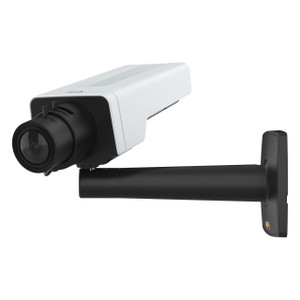
Axis P1388 8MP 4K Indoor Box Camera - 02737-001
4K indoor box camera with Lightfinder 2.0 for low-light forensics
- 8MP 4K (3840×2160) at 30fps; 0.03 lux mono sensitivity cuts through near-darkness
- Forensic WDR preserves shadow and highlight detail in mixed-lighting scenes
- Varifocal 3.9–10mm lens (122–46° FOV) adjustable at install; PoE Class 3 powered
Usually Ships in 2-3 Weeks Free shipping over $499$1,079.00 $1,045.99 Save $33.01 -
Save $752.01

Hanwha PND-A9082RV 8MP Indoor AI Vandal Dome Camera
8MP indoor AI dome with 60m IR and motorized zoom for forensic detail
- 8MP at 30 fps with 120dB WDR handles harsh lighting and high-contrast scenes
- AI detects people, faces, vehicles, and license plates at the edge in real time
- 0.03 lux color or 0 lux IR up to 60m for complete low-light surveillance
Usually Ships in 2-3 Weeks Free shipping over $499$2,150.00 $1,397.99 Save $752.01 -
Save $12.01

Axis M3086-V 4MP Mini-Dome IP Camera - 02374-001
4MP mini-dome, PoE powered, WDR for mixed lighting indoors
- 4MP at 2688×1520 with 130° wide view; captures detail for ID at medium range
- Wide dynamic range balances bright windows and shadows in single frame
- H.265 codec cuts bandwidth 40–50% vs H.264; runs on standard 802.3af PoE
Usually Ships in 2-3 Weeks Free shipping over $499$419.00 $406.99 Save $12.01 -
Save $18.01

Axis M4218-V 8MP Varifocal Indoor Dome Camera - 02678-001
8MP indoor dome with varifocal lens and deep learning object detection
- 8MP resolution at 3840×2160 with remote zoom & focus (3.5–6.6mm lens)
- WDR balances high-contrast lighting; deep learning detects humans & vehicles
- PoE powered (<13W), IP42 rated, IK08 vandal resistant, H.264 compression
In stock · Ships same business day Free shipping over $499$589.00 $570.99 Save $18.01 -
Save $19.01

Axis M4327-P 6MP 360° Panoramic Indoor IP Camera - 02636-004
6MP panoramic camera with 360° dewarped views for full-zone indoor coverage
- 6MP multi-sensor at 30 fps with H.264 Zipstream compression over PoE
- 180°/360° dewarped output modes eliminate blind spots across warehouses and retail
- Lightfinder low-light tech and Forensic WDR capture detail in uneven lighting
In stock · Ships same business day Free shipping over $499$629.00 $609.99 Save $19.01 -
Save $26.01
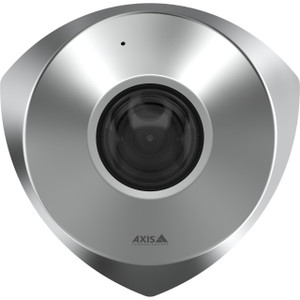
Axis P9117-PV 6MP Corner Dome IP Camera - 02864-001
6MP corner dome with 176° FOV eliminates blind spots at building junctions
- 2160×2160 square format at 50/60fps captures forensic detail in retail and banking
- Lightfinder technology down to 0.17 lux for clear color in low-light without IR
- IP66/IK10 rated, PoE powered (13W max), mounts single point where two cameras overlap
In stock · Ships same business day Free shipping over $499$849.00 $822.99 Save $26.01 -
Save $24.01
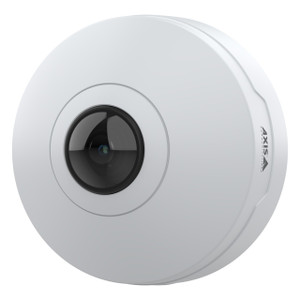
Axis M4328-P 12MP Multi-Sensor Panoramic IP Camera - 02637-004
12MP panoramic multi-sensor camera with 180°/360° coverage from one mount
- 12MP stereographic lens captures full panoramic scenes with dewarped viewing angles
- On-board human/vehicle detection and H.264/H.265 compression reduce bandwidth load
- PoE powered with Lightfinder IR and 0.19 lux low-light performance indoors
In stock · Ships same business day Free shipping over $499$809.00 $784.99 Save $24.01 -
Save $385.01
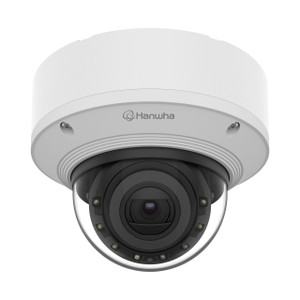
Hanwha XND-8082RV 6MP Indoor IR Vandal-Resistant Dome
6MP indoor dome with 3x zoom, 40m IR, and IK10 vandal armor
- 6MP at 30fps with 3x motorized varifocal (2.8–8.4mm) for remote zoom
- 40m IR range sees complete darkness; 120dB WDR handles backlit scenes
- IK10 vandal-resistant dome and IP52 sealing for retail and warehouse use
Usually Ships in 2-3 Weeks Free shipping over $499$1,550.00 $1,164.99 Save $385.01 -
Save $24.01

Axis M3216-LVE 4MP Outdoor Dome Camera - 02372-001
4MP outdoor dome with 98ft IR and IP66 rating for any weather
- 4MP (2688 × 1520) captures facial detail and plates at 10–15 feet
- 0.16 lux Lightfinder keeps color sharp in dusk and overcast light
- OptimizedIR reaches 98 feet in darkness; IP66/IK10 survive rain and impact
In stock · Ships same business day Free shipping over $499$789.00 $764.99 Save $24.01 -
Save $367.01

Hanwha XNF-8010RW 6MP 360° Fisheye IP Camera
360° fisheye 6MP indoor camera replaces 3–5 fixed angles
- 6MP 2560×1920 panoramic resolution with 30fps for real-time monitoring
- 360° fisheye lens eliminates blind spots in open layouts like lobbies
- PoE powered (under 13W) with motion and intrusion detection analytics
In stock · Ships same business day Free shipping over $499$1,050.00 $682.99 Save $367.01 -
Save $10.01
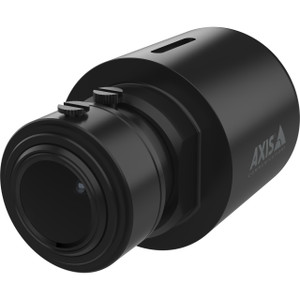
Axis F2115-R 2MP Varifocal Indoor Modular Sensor - 02639-001
2MP varifocal modular sensor for discrete indoor surveillance
- Varifocal 3.2–5.7mm lens adjusts 107°–56° FOV without lens swap
- 1920×1080 @ 60fps with F2.2–F3.1 aperture handles low-light scenes
- M12 mount, PoE powered (1W typical), IP5X dust-sealed design
In stock · Ships same business day Free shipping over $499$329.00 $318.99 Save $10.01 -
Save $11.01
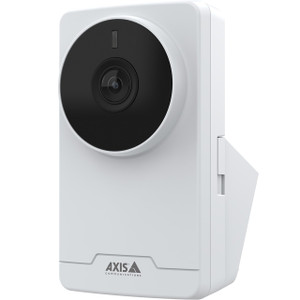
Axis M1055-L 2MP Indoor Fixed Box IP Camera - 02349-001
Compact 2MP box camera for indoor corridors and retail on PoE power
- 1920×1080 resolution at 30fps with IR and 0.18 lux low-light performance
- 103° wide FOV fixed lens covers standard rooms; runs on 802.3af PoE at 2.2W
- H.264/H.265 compression with Zipstream reduces storage by ~40% vs. 5MP cameras
Usually Ships in 2-3 Weeks Free shipping over $499$339.00 $327.99 Save $11.01 -
Save $16.01

Axis M1135 Mk II 2MP Forensic WDR - 02483-001
2MP box camera with Lightfinder low-light and Forensic WDR for detail
- Lightfinder technology retains color at 0.1 lux; no IR required
- Forensic WDR balances highlight and shadow detail in high-contrast scenes
- CS-mount lens, PoE powered (4.4W avg), ONVIF-compatible for any VMS
In stock · Ships same business day Free shipping over $499$529.00 $512.99 Save $16.01 -
Save $12.01
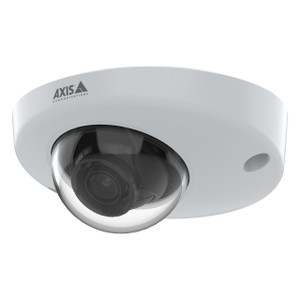
Axis M3905-R 2MP Indoor Varifocal Dome Camera - 02502-001
2MP dome for transit & confined spaces; M12 PoE, IP66, full HD
- 2MP Full HD (1920×1080) with 88° horizontal FOV covers interior vehicle bays
- Lightfinder captures full color at 0.01 lux; no grayscale in low-light transit
- M12 connector + PoE (802.3af, <13W) fits tight spaces; IK10 vandal rated
Usually Ships in 2-3 Weeks Free shipping over $499$379.00 $366.99 Save $12.01 -
Save $17.01
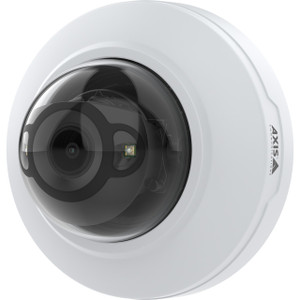
Axis M4216-LV 4MP Varifocal Indoor Dome IR Camera - 02113-001
4MP dome with Lightfinder color at 0.18 lux + varifocal lens
- 4MP (2304×1728) at 30 fps with motorized 3–6mm zoom and autofocus
- Lightfinder technology captures color detail in near-darkness without noise
- Integrated IR + edge deep learning analytics on standard PoE power
In stock · Ships same business day Free shipping over $499$589.00 $571.99 Save $17.01 -
Save $24.01

Axis P1465-LE 2MP Outdoor Bullet IP Camera - 02339-001
2MP outdoor bullet with 40m IR and varifocal lens, PoE powered
- Full HD 1920×1080 at 60fps with Lightfinder 2.0 for color detail in low light
- 40m OptimizedIR range and Forensic WDR for day/night and high-contrast scenes
- Varifocal 3–9mm lens and under 13W PoE draw for flexible outdoor deployments
Usually Ships in 2-3 Weeks Free shipping over $499$789.00 $764.99 Save $24.01 -
Save $31.01

Axis P3277-LVE 5MP Varifocal Indoor Dome Camera - 03213-001
5MP varifocal dome with motorized 3–8.5mm lens and forensic WDR
- 5MP (2592x1944) varifocal indoor dome at 30 fps
- Up to 20 individually configurable video streams
- IR + Lightfinder + Forensic WDR for any-light scenes
Usually Ships in 2-3 Weeks Free shipping over $499$1,029.00 $997.99 Save $31.01 -
Save $30.01
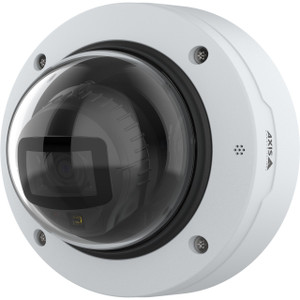
Axis P3288-LV 8MP Indoor AI IR Dome Camera - 02985-001
8MP indoor dome with edge AI, Lightfinder 2.0, and OptimizedIR
- 8MP (3840×2160) at 30 fps with Forensic WDR for high-contrast scenes
- ARTPEC-9 edge analytics with object classification; no server needed
- Lightfinder 2.0 + OptimizedIR for color in low light, detail in darkness
Usually Ships in 2-3 Weeks Free shipping over $499$1,029.00 $998.99 Save $30.01 -
Save $34.01

Axis P3288-LVE 8MP Varifocal Outdoor Dome Camera - 02986-001
8MP outdoor dome with varifocal lens, Forensic WDR, and 40m IR
- 8MP varifocal outdoor dome at 30 fps with H.265
- Forensic WDR + Lightfinder 2.0 for mixed-light scenes
- Multi-stream output for live + record at varying rates
Usually Ships in 2-3 Weeks Free shipping over $499$1,139.00 $1,104.99 Save $34.01 -
Save $73.01
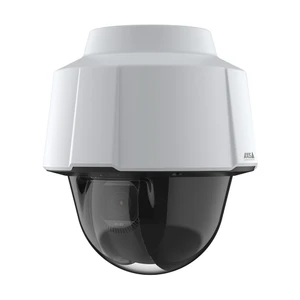
Axis P5676-LE 4MP Outdoor PTZ Camera - 02414-001
4MP outdoor PTZ with 30x zoom and IR night vision for wide-area monitoring
- 30x optical zoom with motorized pan-tilt for flexible area coverage and tracking
- 4MP resolution at up to 60fps with Lightfinder 2.0 for 0.11 lux low-light imaging
- IP66 & IK10 rated construction with -30 to 50°C operating range for harsh weather
Usually Ships in 2-3 Weeks Free shipping over $499$2,429.00 $2,355.99 Save $73.01 -
Save $269.01

Hanwha QNF-8010 6MP Wide-Angle Fisheye Indoor IP Camera
6MP fisheye indoor camera with 187° view and onboard dewarping
- 2048x2048 resolution at 30fps with 120dB WDR for high-contrast lighting
- Multiple view modes—single/double panorama, quad view—from one fisheye lens
- PoE powered with IR night vision, people counting, and heatmap analytics
In stock · Ships same business day Free shipping over $499$775.00 $505.99 Save $269.01 -
Save $175.01
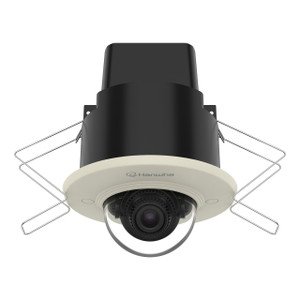
Hanwha XND-6011F 2MP 60fps Indoor Dome IP Camera
60fps Full HD dome for fast-motion forensics and mixed-light scenes
- 2MP @ 60fps H.265/H.264 with 150dB WDR handles backlit entrances in one shot
- 2.8mm F2.0 lens, 107° horizontal FOV, pan/tilt/rotate adjustment for flexible mounting
- Motion, face, defocus, fog, tampering, loitering, and people-counting analytics built-in
Usually Ships in 2-3 Weeks Free shipping over $499$550.00 $374.99 Save $175.01 -
Save $210.01

Hanwha XND-6020R 2MP Vandal Dome IR Camera
2MP vandal dome with 150dB WDR and IR night vision for secure indoor spaces
- 2MP 1/2.8" CMOS sensor captures clear detail at 30fps with H.265/H.264 compression
- 150dB WDR handles mixed lighting; IR enables monitoring in complete darkness
- IK08-rated vandal-resistant dome with PoE power and motion detection built-in
In stock · Ships same business day Free shipping over $499$660.00 $449.99 Save $210.01 -
Save $440.01
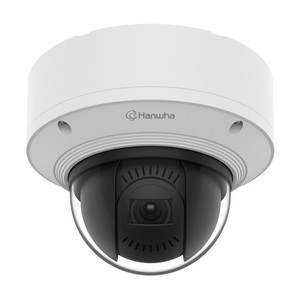
Hanwha XND-6081VZ 2MP Vandal-Resistant Dome IP Camera
IK10 vandal dome with 4.3x zoom and 0.0015 Lux night vision
- 2MP full HD (1920x1080) at 60fps H.265 with motorized 2.8–12mm lens
- ±175° pan, 0–85° tilt, ±175° rotate for flexible coverage adjustment
- 150dB WDR and dual microSD slots (512GB) for high-contrast scenes
Usually Ships in 2-3 Weeks Free shipping over $499$1,250.00 $809.99 Save $440.01 -
Save $210.01

Hanwha XND-8020F 5MP Indoor Dome IP Camera
5MP indoor dome with 97.5° view and 0.16 Lux night vision
- 5MP @ 30fps H.265/H.264 with 120dB WDR for balanced exposure
- 0.16 Lux color sensitivity plus IR for low-light surveillance
- PoE powered at 4.7W max with up to 256GB microSD recording
Usually Ships in 2-3 Weeks Free shipping over $499$660.00 $449.99 Save $210.01 -
Save $269.01
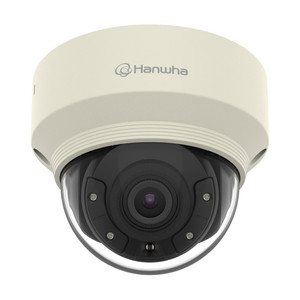
Hanwha XND-8020R 5MP Vandal-Resistant Dome Camera
5MP vandal-resistant dome with IR night vision and 120dB WDR
- 5MP 1/1.8" CMOS sensor captures detail at 30fps H.265/H.264
- IR illumination with auto day/night switching for 24/7 monitoring
- IK08 vandal rating and IP66 weatherproof for high-traffic areas
Usually Ships in 2-3 Weeks Free shipping over $499$850.00 $580.99 Save $269.01 -
Save $338.01
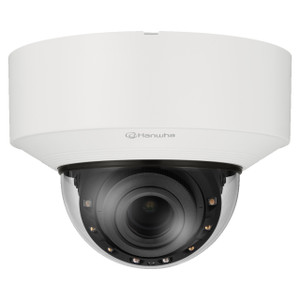
Hanwha XND-C8083RV 6MP AI Vandal Dome Camera
6MP vandal dome with 2.1x zoom and 120dB WDR for indoor security
- 3328x1872 resolution at 30fps H.265/H.264 with motorized 4.4–9.3mm lens
- 0.04 Lux color / 0 Lux B&W with IR; extremeWDR handles mixed lighting
- AI object detection (person, face, vehicle, plate) with digital image stabilization
Usually Ships in 2-3 Weeks Free shipping over $499$1,350.00 $1,011.99 Save $338.01 -
Save $97.01
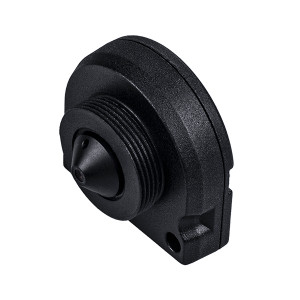
Vivotek CU9171-HF 4MP Mini Pinhole Camera
4MP flat pinhole covert camera with color night vision and PoE power
- 4MP @ 30fps with 0.045 lux minimum illumination for color low-light detail
- H.265 + Smart Stream III compression cuts bandwidth and storage needs in half
- Flat pinhole design fits 33×32×20mm for invisible mounting in tight spaces
Usually Ships in 2-3 Weeks Free shipping over $499$320.00 $222.99 Save $97.01 -
Save $18.01

2N F9114-B 4-Channel Barebone Main Unit 2nd Gen - 01991-031
4-channel 1080p barebone unit with H.264 compression and dual I/O
- Four independent 1080p @ 30 fps channels with Forensic WDR for high-contrast capture
- Two-way audio with detection plus four alarm I/O ports for system integration
- H.264 compression, IEEE 802.1X auth, and HTTPS encryption for secure deployments
Usually Ships in 2-3 Weeks Free shipping over $499$629.00 $610.99 Save $18.01 -
Save $9.01

2N IP Vario F2135-RE 2MP Fisheye Sensor - 02641-001
2MP fisheye sensor, 185° FOV, IP66 outdoor—one mount replaces three
- 1920×1080 @ 60 fps or 720p @ 180 fps, 0.1 lux + Lightfinder WDR
- 185° horizontal / 97° vertical coverage eliminates blind spots in corners
- PoE powered (1W avg), M12 mount, operates -40° to 60°C outdoor-rated
Usually Ships in 2-3 Weeks Free shipping over $499$269.00 $259.99 Save $9.01