
Zebra DS9308-SR00CC4ZTNA vs Datalogic M3410-010210-00604: Specification Comparison
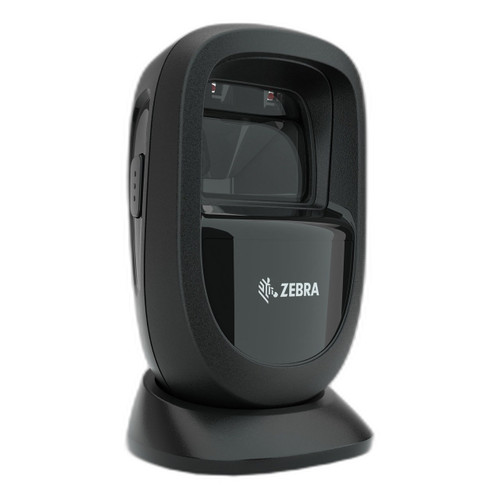
Both the Zebra DS9308-SR00CC4ZTNA and the Datalogic Magellan 3410VSi (M3410-010210-00604) are wired, hands-free presentation-style area imagers designed for retail checkout and point-of-sale environments. Each reads 1D and 2D symbologies including QR Code, Data Matrix, and PDF417. This comparison evaluates their connectivity options, physical and environmental specifications, and warranty coverage to help integrators and IT buyers determine which unit best fits their deployment requirements.

In This Guide
- Which scanner offers broader POS system connectivity?
- How do these scanners compare on physical durability and environmental resilience?
- Which unit offers stronger long-term coverage and a better-documented physical profile?
- Which should you choose: the DS9308-SR00CC4ZTNA or the M3410-010210-00604?
- Side-by-Side Specs
- FAQ
Which scanner offers broader POS system connectivity?
The Zebra DS9308-SR00CC4ZTNA provides wired USB connectivity only, operating on a host-powered supply of 4.5 to 5.5 VDC. No RS-232 or other serial interface is listed in the provided specifications, limiting its integration to USB-equipped POS terminals and host systems.
The Datalogic Magellan 3410VSi (M3410-010210-00604) supports both USB and RS-232 interfaces. This dual-interface capability allows direct integration into legacy POS systems that rely on serial connections, as well as modern USB-based terminals—offering broader compatibility across mixed or older infrastructure without requiring adapters or converters.
How do these scanners compare on physical durability and environmental resilience?
Both units carry an IP52 ingress-protection rating, meaning each is protected against dust particles larger than 12.5 mm and against dripping water at an angle up to 15 degrees from vertical. This parity makes both suitable for typical retail and light-industrial checkout environments.
The Zebra DS9308-SR00CC4ZTNA adds a documented 1.5 m drop rating, providing a quantified benchmark for resistance to accidental falls. It also specifies an operating temperature range of 0°C to 50°C (32°F to 122°F) and a storage temperature range of -40°C to 70°C (-40°F to 158°F). The Datalogic M3410-010210-00604 does not include drop-rating data or operating/storage temperature ranges in the provided specifications, so these parameters cannot be compared.
Which unit offers stronger long-term coverage and a better-documented physical profile?
Warranty coverage differs significantly. The Datalogic M3410-010210-00604 carries a 3-year factory warranty per its specifications. The Zebra DS9308-SR00CC4ZTNA is covered by a 1-year warranty. For high-volume checkout lanes where scanner longevity is a total-cost consideration, a longer warranty period reduces exposure to out-of-pocket replacement or repair costs.
On physical dimensions, the Datalogic unit is fully specified at 152 × 137 × 94 mm and 0.6 kg (approximately 600 g). The Zebra DS9308-SR00CC4ZTNA lists a weight of 318 g (11.2 oz) but does not provide body dimensions in the supplied specifications. Buyers requiring rack-space or counter-space planning for the Zebra unit would need to consult additional documentation.
Which should you choose: the DS9308-SR00CC4ZTNA or the M3410-010210-00604?
Our take: The M3410-010210-00604 is the stronger choice when RS-232 legacy POS compatibility and longer warranty coverage are priorities. The Datalogic Magellan 3410VSi supports both USB and RS-232 interfaces versus the Zebra DS9308-SR00CC4ZTNA's USB-only connectivity, and it carries a 3-year factory warranty compared to the Zebra's 1-year coverage—a meaningful difference for high-turnover retail environments. The Zebra DS9308-SR00CC4ZTNA has an advantage where physical resilience is documented: it specifies a 1.5 m drop rating and a defined operating temperature range of 0°C to 50°C, neither of which appears in the Datalogic's provided specifications. Both units share IP52 protection and read the same core symbology set. Buyers deploying into modern USB-only POS environments who prioritize documented drop durability should favor the Zebra; those integrating into mixed or serial-based checkout infrastructure, or seeking lower long-term service risk, should favor the Datalogic.
Side-by-Side Comparison
Spec-for-spec, from manufacturer data.
| Specification | Zebra DS9308-SR00CC4ZTNA | Datalogic M3410-010210-00604 |
|---|---|---|
| Product Type | Presentation Scanner | Vertical Presentation Scanner |
| Scan Engine | 1D/2D Area Imager | 2D Area Imager |
| Connectivity | USB | USB, RS-232 |
| IP Rating | IP52 | IP52 |
| Drop Rating | 1.5 m | — |
| Warranty | 1 year | 3 years |
| Weight | 318 g (11.2 oz) | 600 g (1.3 lb) |
| Dimensions | — | 152 × 137 × 94 mm |
| Operating Temp | 0°C to 50°C (32°F to 122°F) | — |
| Storage Temp | -40°C to 70°C (-40°F to 158°F) | — |
| Input Voltage | 4.5 to 5.5 VDC (host powered) | — |
| Symbologies 1D | Code 128, Code 39, UPC, EAN | Code 128, Code 39, UPC, EAN |
| Symbologies 2D | QR Code, Data Matrix, PDF417 | QR Code, Data Matrix, PDF417 |
| Color Options | Alpine White, Midnight Black | — |
| Mount Type | Wall, Recessed, Rack | Wall |
| Power Source | Host powered via USB | — |
Frequently Asked Questions
Which should you choose: the DS9308-SR00CC4ZTNA or the M3410-010210-00604?
The M3410-010210-00604 is the stronger choice when RS-232 legacy POS compatibility and longer warranty coverage are priorities. The Datalogic Magellan 3410VSi supports both USB and RS-232 interfaces versus the Zebra DS9308-SR00CC4ZTNA's USB-only connectivity, and it carries a 3-year factory warranty compared to the Zebra's 1-year coverage—a meaningful difference for high-turnover retail environments. The Zebra DS9308-SR00CC4ZTNA has an advantage where physical resilience is documented: it specifies a 1.5 m drop rating and a defined operating temperature range of 0°C to 50°C, neither of which appears in the Datalogic's provided specifications. Both units share IP52 protection and read the same core symbology set. Buyers deploying into modern USB-only POS environments who prioritize documented drop durability should favor the Zebra; those integrating into mixed or serial-based checkout infrastructure, or seeking lower long-term service risk, should favor the Datalogic.
Is the DS9308-SR00CC4ZTNA or the M3410-010210-00604 better for older POS systems using serial connections?
The Datalogic M3410-010210-00604 is the better fit. Its provided specifications list both USB and RS-232 interfaces, allowing direct connection to legacy serial POS terminals. The Zebra DS9308-SR00CC4ZTNA specifies USB connectivity only; RS-232 support is not documented in the supplied specifications.
Which scanner has the longer warranty, and does it matter for a high-volume retail deployment?
The Datalogic M3410-010210-00604 carries a 3-year factory warranty per its specifications, versus a 1-year warranty for the Zebra DS9308-SR00CC4ZTNA. In high-volume checkout lanes where scanners endure heavy daily use, the additional two years of factory coverage can reduce total cost of ownership by deferring or eliminating replacement and repair expenses.
Are both scanners rated for the same level of dust and water resistance?
Yes. Both units carry an IP52 rating per their provided specifications, meaning each is protected against solid objects larger than 12.5 mm and against dripping water up to 15 degrees from vertical. On drop resistance, only the Zebra DS9308-SR00CC4ZTNA provides a documented rating (1.5 m); the Datalogic M3410-010210-00604 does not include a drop rating in the supplied specifications.
More Barcode Scanner Comparisons
- Zebra DS9308 vs Datalogic M3410-010200-00403
- Zebra DS9308 vs Datalogic M3410-010210-00403
- Zebra DS9308 vs Datalogic M3450-010310-21104
- Zebra DS9308 vs Datalogic M3410-010210-00604
- Zebra DS9308 vs Zebra DS9308
- Zebra DS9308 vs Zebra DS9908
Barcode Scanner Buying Guides
Get a Second Opinion on Your Camera Choice
Share your site layout, coverage goals, and budget. Our team will validate the camera selection, flag anything we would change, and recommend products that match the use case.