
Zebra DS9308-DL00004ZZNA vs Datalogic M3450-010310-21104: Specification Comparison
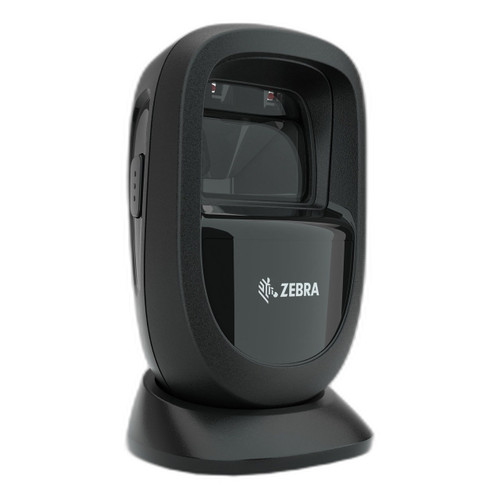
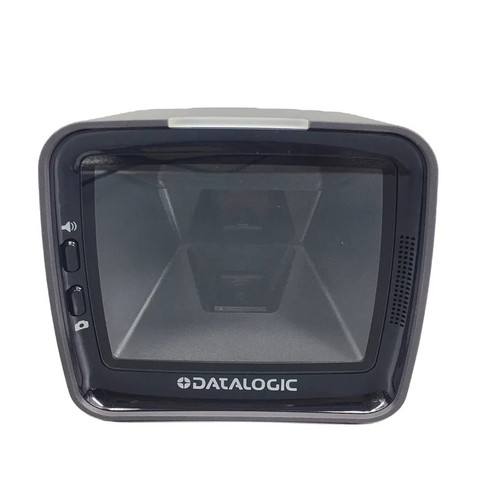
Both the Zebra DS9308-DL00004ZZNA and the Datalogic Magellan 3450VSi (M3450-010310-21104) are wired presentation barcode scanners designed for fixed, on-counter point-of-sale deployment, each featuring a 2D area imager capable of reading standard 1D and 2D symbologies. This comparison evaluates them across the three dimensions that matter most to POS hardware buyers: scan performance and symbology breadth, physical and environmental durability, and connectivity and interface flexibility.
In This Guide
- Which scanner delivers broader symbology coverage and what scan performance does each specify?
- How do the two scanners compare on physical durability, environmental protection, and operating conditions?
- What connectivity options and interface flexibility does each scanner provide?
- Which should you choose: the DS9308-DL00004ZZNA or the M3450-010310-21104?
- Side-by-Side Specs
- FAQ
Which scanner delivers broader symbology coverage and what scan performance does each specify?
The Zebra DS9308-DL00004ZZNA uses a 2D area imager and lists a rated scan rate of 120.1 inches per second. Its confirmed symbology set covers QR Code, Data Matrix, PDF417, Code 128, Code 39, UPC, and EAN. A notable differentiator is its DL (Driver License) parsing feature, which enables structured extraction of data from AAMVA-format driver licenses — directly relevant to age-verification workflows in retail, hospitality, and convenience-store environments. Scan pattern is documented as single-pass.
The Datalogic Magellan 3450VSi is also a 2D area imager and lists an omnidirectional scan pattern, which broadens its tolerance for barcode orientation at the counter. Its symbology set is wider per the provided specs: QR Code, Data Matrix, PDF417, Aztec, Maxicode, Code 128, Code 39, UPC, EAN, and GS1 DataBar — adding Aztec, Maxicode, and GS1 DataBar versus the Zebra. No inches-per-second scan rate figure is provided for the Datalogic in the supplied specifications.
How do the two scanners compare on physical durability, environmental protection, and operating conditions?
The Zebra DS9308-DL00004ZZNA carries an IP52 rating (protected against dust ingress sufficient to prevent harmful deposits, and against vertically dripping water when tilted up to 15°) and a documented drop rating of 1.5 meters (4.9 feet). Operating temperature is specified at 0°C to 50°C (32°F to 122°F), with storage rated from -40°C to 70°C (-40°F to 158°F). Weight is 11.2 oz / 318 g.
The Datalogic Magellan 3450VSi specifications provided do not include an IP rating or a drop rating. No operating or storage temperature ranges are listed in the supplied data. The unit is heavier at 1.32 lb (599 g) and has defined physical dimensions of 152 × 137 × 94 mm (6.0 × 5.4 × 3.7 in). Buyers requiring a documented ingress-protection or shock-survival rating should note that these figures are absent from the Datalogic spec set provided and would need to be verified against the manufacturer datasheet.
What connectivity options and interface flexibility does each scanner provide?
The Zebra DS9308-DL00004ZZNA connects exclusively via wired USB, supporting both HID and Serial emulation modes. Input voltage is host-powered at 4.5–5.5 VDC, eliminating the need for a separate power supply. No RS-232 or other serial interface is listed in the provided specifications. The scanner is available in Alpine White and Midnight Black color options and carries regulatory marks including EN55024, EN55035, VCCI, and SABS per the provided data.
The Datalogic Magellan 3450VSi supports both USB and RS-232 interfaces, giving integrators a choice of connection method — useful in legacy POS terminal environments or where RS-232 serial is the required host interface. No voltage or power-draw figures are provided in the supplied specifications. The RS-232 option is a concrete hardware differentiator where legacy terminal compatibility is a requirement.
Which should you choose: the DS9308-DL00004ZZNA or the M3450-010310-21104?
Our take: The DS9308-DL00004ZZNA is the stronger choice when driver license parsing, documented environmental protection, and a verified scan-rate figure are the primary requirements. The Zebra specifies a concrete 120.1 in/sec scan rate (no equivalent figure is provided for the Datalogic), an IP52 ingress-protection rating and 1.5 m drop tolerance (neither is specified for the Magellan 3450VSi), and built-in DL parsing for age-verification workflows — a capability absent from the Datalogic spec set. Conversely, the Magellan 3450VSi is the stronger choice when legacy RS-232 terminal connectivity is required (Zebra offers USB only), when broader symbology coverage matters (Datalogic adds Aztec, Maxicode, and GS1 DataBar), or when an omnidirectional scan pattern is preferred over single-pass. Buyers on modern USB-only POS infrastructure with age-verification needs should favor the Zebra; integrators working with RS-232 legacy terminals or requiring the wider symbology set should evaluate the Datalogic.
Side-by-Side Comparison
Spec-for-spec, from manufacturer data.
| Specification | Zebra DS9308-DL00004ZZNA | Datalogic M3450-010310-21104 |
|---|---|---|
| Product Type | Presentation Scanner | Vertical Presentation Scanner |
| Scan Engine | 2D Area Imager (1D/2D) | 2D Area Imager (1D/2D) |
| Scan Pattern | Single-pass | Omnidirectional |
| Scan Rate | 120.1 in/sec | — |
| Connectivity | USB (HID / Serial emulation) | USB; RS-232 |
| Symbologies — 1D | Code 128; Code 39; UPC; EAN | Code 128; Code 39; UPC; EAN; GS1 DataBar |
| Symbologies — 2D | QR Code; Data Matrix; PDF417 | QR Code; Data Matrix; PDF417; Aztec; Maxicode |
| Driver License Parsing | Yes (DL parsing enabled) | — |
| IP Rating | IP52 | — |
| Drop Rating | 1.5 m (4.9 ft) | — |
| Operating Temperature | 0°C to 50°C (32°F to 122°F) | — |
| Storage Temperature | -40°C to 70°C (-40°F to 158°F) | — |
| Weight | 11.2 oz / 318 g | 1.32 lb / 599 g |
| Dimensions | — | 152 x 137 x 94 mm (6.0 x 5.4 x 3.7 in) |
| Power | Host-powered 4.5–5.5 VDC | — |
| Warranty | 1 Year | 3 Years |
Frequently Asked Questions
Which should you choose: the DS9308-DL00004ZZNA or the M3450-010310-21104?
The DS9308-DL00004ZZNA is the stronger choice when driver license parsing, documented environmental protection, and a verified scan-rate figure are the primary requirements. The Zebra specifies a concrete 120.1 in/sec scan rate (no equivalent figure is provided for the Datalogic), an IP52 ingress-protection rating and 1.5 m drop tolerance (neither is specified for the Magellan 3450VSi), and built-in DL parsing for age-verification workflows — a capability absent from the Datalogic spec set. Conversely, the Magellan 3450VSi is the stronger choice when legacy RS-232 terminal connectivity is required (Zebra offers USB only), when broader symbology coverage matters (Datalogic adds Aztec, Maxicode, and GS1 DataBar), or when an omnidirectional scan pattern is preferred over single-pass. Buyers on modern USB-only POS infrastructure with age-verification needs should favor the Zebra; integrators working with RS-232 legacy terminals or requiring the wider symbology set should evaluate the Datalogic.
Is the DS9308-DL00004ZZNA or M3450-010310-21104 better for retail environments with driver license scanning?
The Zebra DS9308-DL00004ZZNA is the specified choice here. Its specs explicitly list DL (Driver License) parsing as an enabled feature, designed for AAMVA-format license data extraction at the point of sale. The Datalogic Magellan 3450VSi specifications provided do not mention driver license parsing capability.
Which scanner works with older RS-232 POS terminals?
The Datalogic Magellan 3450VSi (M3450-010310-21104) supports both USB and RS-232 interfaces per its specifications. The Zebra DS9308-DL00004ZZNA is USB-only (HID and Serial emulation over USB); no RS-232 port is listed in its provided specs. For legacy serial terminal environments, the Datalogic is the only option of the two.
Does either scanner have a documented durability or ingress-protection rating for busy checkout counters?
Yes — the Zebra DS9308-DL00004ZZNA carries a specified IP52 rating for dust and splash protection and a 1.5 m (4.9 ft) drop rating. The Datalogic Magellan 3450VSi specifications provided do not include an IP rating or drop-survival figure; those values would need to be confirmed directly from the Datalogic product datasheet before assuming equivalent durability.
More Barcode Scanner Comparisons
- Zebra DS9308 vs Datalogic M3410-010200-00403
- Zebra DS9308 vs Datalogic M3410-010210-00403
- Zebra DS9308 vs Datalogic M3450-010310-21104
- Zebra DS9308 vs Datalogic M3410-010210-00604
- Zebra DS9308 vs Zebra DS9308
- Zebra DS9308 vs Zebra DS9908
Barcode Scanner Buying Guides
Get a Second Opinion on Your Camera Choice
Share your site layout, coverage goals, and budget. Our team will validate the camera selection, flag anything we would change, and recommend products that match the use case.