
TP-Link SG2210MP vs TP-Link SG1210MPE: Specification Comparison
Both the TP-Link SG2210MP and TL-SG1210MPE are 10-port gigabit PoE+ switches targeting small-to-midsize LAN deployments where powered endpoints such as IP cameras, access points, and VoIP phones share the same switching fabric. The key differentiators a buyer must weigh are total PoE power budget, management depth, physical form factor, and uplink flexibility. This comparison uses only published spec data for each model and calls out any gaps explicitly.
In This Guide
- Which switch delivers more PoE power and how are the ports distributed?
- How much management control does each switch provide and which platforms do they support?
- How do the physical build and fiber uplink options differ between the two models?
- Which should you choose: the SG2210MP or the SG1210MPE?
- Side-by-Side Specs
- FAQ
Which switch delivers more PoE power and how are the ports distributed?
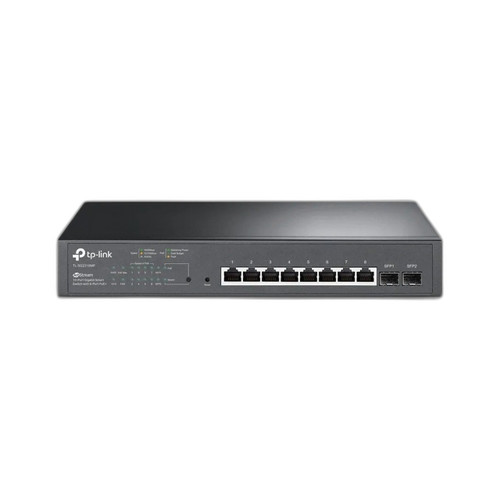
The SG2210MP provides a 150W total PoE+ budget across 8 downlink ports, all rated 802.3at (PoE+, up to 30W per port). The remaining 2 ports are dedicated SFP fiber uplinks with no PoE capability, giving a clean 8-port powered / 2-port uplink split.
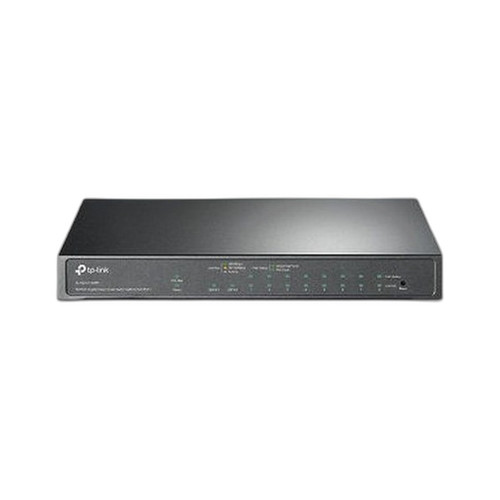
The TL-SG1210MPE offers a lower 123W total PoE+ budget across the same 8 PoE+ ports, also rated at 30W per port per spec. Its ninth port is a standard RJ45 gigabit port (no PoE), and the tenth is a combo SFP/RJ45 slot that serves as the sole uplink — reducing the count of dedicated fiber-capable uplinks to one.
For deployments that need to power the maximum number of high-draw devices simultaneously, the SG2210MP's 27W advantage in total budget (150W vs 123W) translates directly into headroom: roughly one additional full-draw PoE+ device. Installers running PTZ cameras or 802.3at APs near full draw will hit the SG1210MPE's ceiling sooner.
How much management control does each switch provide and which platforms do they support?
The SG2210MP is classified as a Smart Managed switch and is part of TP-Link's Omada SDN ecosystem. Omada membership implies compatibility with the Omada Controller (hardware, software, or cloud-hosted) for centralized network management, though the depth of Omada feature support — VLANs, QoS, RSTP, IGMP snooping, and cloud remote management — is not fully enumerated in the provided spec data.
The TL-SG1210MPE is described as an 'Easy Smart' switch with a web-based UI. It is not listed as an Omada SDN participant. 'Easy Smart' in TP-Link's product line denotes a tier below full Smart Managed, typically offering basic VLAN, QoS, and loop prevention through a local web interface only, without controller-based or cloud management.
For single-site, small deployments managed locally, the SG1210MPE's web UI may be sufficient. For multi-site deployments, organizations already on Omada, or any environment requiring centralized visibility and policy enforcement, the SG2210MP's Omada membership is a material advantage that the SG1210MPE cannot replicate.
How do the physical build and fiber uplink options differ between the two models?
The SG2210MP is specified with a 13-inch footprint in a 1U rack-mountable chassis, making it a fixed rackmount unit. It provides 2 dedicated SFP slots (no RJ45 fallback on those ports), supporting both multi-mode and single-mode fiber. This gives installers two simultaneous fiber uplinks — useful for redundant uplinks or stacking to a distribution layer.
The TL-SG1210MPE's form factor and rack-mount status are not specified in the provided data. Its single uplink is a combo SFP/RJ45 port, meaning fiber and copper share one slot — only one medium can be active at a time. The fiber type is listed as SFP combo compatible with single-mode and multi-mode.
Installers who need dual fiber uplinks or a confirmed rack-mount chassis should note that only the SG2210MP satisfies both requirements based on available specs. The SG1210MPE's combo uplink limits physical redundancy, and its chassis format is unconfirmed from the provided data.
Which should you choose: the SG2210MP or the SG1210MPE?
Our take: The SG2210MP is the stronger choice when PoE headroom, Omada SDN integration, and dual fiber uplinks are priorities. It delivers 150W of total PoE+ budget versus the SG1210MPE's 123W — a 22% advantage that accommodates roughly one additional full-draw 802.3at device. It provides 2 dedicated SFP uplink slots (multi-mode and single-mode) versus the SG1210MPE's single combo SFP/RJ45 port, enabling simultaneous or redundant fiber links. Its Omada platform membership enables centralized controller-based management, a capability absent from the SG1210MPE's Easy Smart web-only tier. The SG1210MPE remains relevant for cost-sensitive, single-site installs with lighter PoE loads and no requirement for SDN controller integration — where its 9 RJ45 ports (versus 8 on the SG2210MP) and simpler management may align better with budget and skill constraints.
Side-by-Side Comparison
Spec-for-spec, from manufacturer data.
| Specification | TP-Link SG2210MP | TP-Link SG1210MPE |
|---|---|---|
| SKU | SG2210MP | TL-SG1210MPE |
| Product Line / Tier | Omada Smart Managed | Easy Smart (web UI) |
| Total Ports | 10 | 10 |
| PoE+ Downlink Ports | 8 | 8 |
| Non-PoE Copper Ports | 0 (uplinks are SFP only) | 1 × RJ45 (port 9) |
| Uplink Ports | 2 × dedicated SFP | 1 × combo SFP/RJ45 |
| SFP Slots | 2 | 1 (combo) |
| Total PoE+ Budget | 150W | 123W |
| Max PoE Per Port | 30W (802.3at) | 30W (802.3at) |
| Gigabit Speed | 1 Gbps | 1000 Mbps |
| Fiber Type Supported | Multi-mode and single-mode | Single-mode and multi-mode (combo) |
| Form Factor | 1U rack, 13-inch footprint | — |
| Omada SDN Compatible | Yes | No |
| Management Method | Smart Managed (Omada Controller / web) | Web-based UI |
| Operating Temperature | 0°C to 40°C | — |
| Max Copper Range | 100m | — |
Frequently Asked Questions
Which should you choose: the SG2210MP or the SG1210MPE?
The SG2210MP is the stronger choice when PoE headroom, Omada SDN integration, and dual fiber uplinks are priorities. It delivers 150W of total PoE+ budget versus the SG1210MPE's 123W — a 22% advantage that accommodates roughly one additional full-draw 802.3at device. It provides 2 dedicated SFP uplink slots (multi-mode and single-mode) versus the SG1210MPE's single combo SFP/RJ45 port, enabling simultaneous or redundant fiber links. Its Omada platform membership enables centralized controller-based management, a capability absent from the SG1210MPE's Easy Smart web-only tier. The SG1210MPE remains relevant for cost-sensitive, single-site installs with lighter PoE loads and no requirement for SDN controller integration — where its 9 RJ45 ports (versus 8 on the SG2210MP) and simpler management may align better with budget and skill constraints.
Is the SG2210MP or SG1210MPE better for powering multiple high-draw PoE+ devices like PTZ cameras or Wi-Fi 6 APs?
The SG2210MP is the better fit. Its 150W total PoE+ budget exceeds the SG1210MPE's 123W by 27W, which at a per-port maximum of 30W means the SG2210MP can sustain one more full-draw 802.3at device before hitting the power ceiling. Both switches cap individual ports at 30W per spec.
Can either switch be managed through the TP-Link Omada cloud or a central controller?
Only the SG2210MP is identified as an Omada SDN switch. The SG1210MPE is classified as an 'Easy Smart' switch with a local web-based UI; it is not listed as Omada-compatible in the provided specs, so centralized Omada Controller or cloud management is not supported on that model.
Which switch is the right choice if I need two separate fiber uplinks for redundancy?
The SG2210MP provides 2 dedicated SFP slots that can each carry an independent fiber connection (multi-mode or single-mode), making dual-uplink or uplink redundancy possible. The SG1210MPE has one combo SFP/RJ45 port, which limits the switch to a single active uplink medium at a time. Fiber uplink redundancy is not achievable on the SG1210MPE based on the available specs.
More Network Switch Comparisons
- TP-Link SG2210MP vs Lantronix SISPM1242-582-LRT
- TP-Link SG2210MP vs Vivotek FGT-100P-110
- TP-Link SG2210MP vs Speco Technologies P8S10G
- Lantronix SISPM1242-582-LRT vs TP-Link SG1210MPE
- Lantronix SISPM1242-582-LRT vs Vivotek FGT-100P-110
- Lantronix SISPM1242-582-LRT vs Speco Technologies P8S10G
Network Switch Buying Guides
Get a Second Opinion on Your Camera Choice
Share your site layout, coverage goals, and budget. Our team will validate the camera selection, flag anything we would change, and recommend products that match the use case.