
Sato WM8430111 vs Sato WM8430031: Specification Comparison
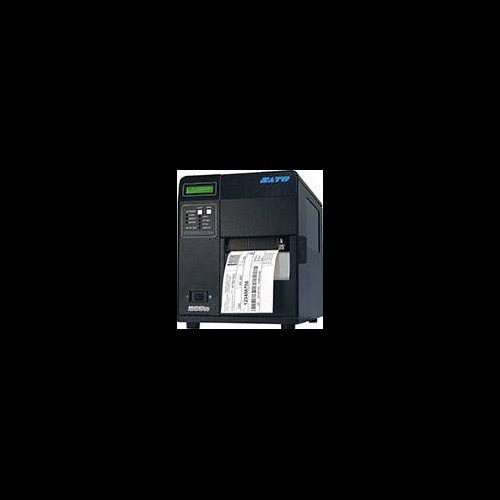
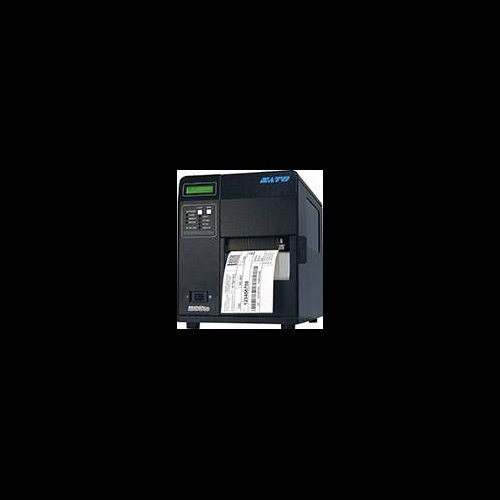
Both the Sato M84Pro WM8430111 and WM8430031 are 4.1-inch industrial thermal printers operating at 203 dpi and 10 ips. They share the same M84Pro platform, identical physical footprint, dual print-mode capability, and media handling envelope. A buyer evaluating one would naturally cross-shop the other. This comparison examines where the two SKUs diverge across connectivity, display/housing specifications, and memory architecture to help integrators and IT procurement teams identify which unit best fits their deployment requirements.
In This Guide
- Does either printer offer meaningfully different connectivity options for shop-floor or warehouse integration?
- How do the display and physical housing specifications compare between these two units?
- Are there any differences in memory architecture that affect label storage or firmware capacity?
- Which should you choose: the WM8430111 or the WM8430031?
- Side-by-Side Specs
- FAQ
Does either printer offer meaningfully different connectivity options for shop-floor or warehouse integration?
Both the WM8430111 and WM8430031 specify USB 2.0, Ethernet, RS-232C, and Parallel ports in their enrichment data (~Connectivity field). The WM8430111 top-level spec field lists 'Ethernet, USB' without explicitly enumerating RS-232C and Parallel at the structured-spec level, though the datasheet-sourced fields confirm all four interfaces. The WM8430031 similarly lists 'Ethernet, USB' at the structured level but confirms RS-232C and Parallel in enrichment data. No differences in interface types are evident between the two SKUs based on available specifications. Both support the same four physical interfaces, making them equivalent for environments requiring legacy serial or parallel host connections alongside modern USB and Ethernet.
How do the display and physical housing specifications compare between these two units?
Both units carry a 3.5-inch color LCD display. The WM8430111 specifies this as '3.5" Color LCD' with status monitoring capability noted in enrichment data. The WM8430031 specifies '3.5 inches' for display size and 'Color LCD' as display type, yielding the same result. One measurable difference: the WM8430031 explicitly calls out an 'Industrial metal' housing in its structured spec data. The WM8430111 does not include a housing material specification in the provided data. Both units share identical physical dimensions of 15.0" x 10.6" x 11.6" and identical weight of 24.3 lbs (11.0 kg) / 39.7 lbs — note the 24.3 lb and 39.7 lb figures appear together in both SKUs; the WM8430031 clarifies 24.3 lbs equals 11.0 kg, suggesting the 39.7 lb figure may reference a different weight context (e.g., shipping weight) not further defined in either spec set.
Are there any differences in memory architecture that affect label storage or firmware capacity?
The WM8430111 specifies Memory Flash: 2 MB, Memory SDRAM: 16 MB, and User Storage: 2 MB. The WM8430031 specifies Memory Flash: 2 MB, Memory RAM: 16 MB SDRAM, and User Storage: 2 MB. The values are functionally identical — both use the same 2 MB flash, 16 MB SDRAM, and 2 MB user storage allocation. The WM8430031 labels the RAM field as 'Memory Ram' with the qualifier 'SDRAM' inline, while the WM8430111 uses separate 'Memory Flash' and 'Memory Sdram' field names; the underlying capacity figures match. Neither unit carries a memory specification advantage over the other based on provided data.
Which should you choose: the WM8430111 or the WM8430031?
Our take: The WM8430111 and WM8430031 are functionally equivalent units based on all provided specifications — neither is the stronger choice on measurable performance grounds. Both deliver 203 dpi resolution at 10 ips, a 4.1-inch maximum print width, dual direct-thermal and thermal-transfer modes, identical 3.5-inch color LCD displays, matching memory architecture (2 MB flash / 16 MB SDRAM / 2 MB user storage), the same four-interface connectivity suite (USB 2.0, Ethernet, RS-232C, Parallel), and identical media handling envelope (1"–4.5" width, 8.6" max roll diameter, 1,968 ft max ribbon). The sole documented spec difference is that the WM8430031 explicitly states 'Industrial metal' housing while the WM8430111 does not specify housing material. If confirmed housing material matters for your environment, the WM8430031 provides that specification on record. Buyers should verify with Sato or review each unit's datasheet to determine whether the SKU difference reflects a firmware variant, interface card option, or regional configuration.
Side-by-Side Comparison
Spec-for-spec, from manufacturer data.
| Specification | Sato WM8430111 | Sato WM8430031 |
|---|---|---|
| MPN | WM8430111 | WM8430031 |
| Print Resolution | 203 dpi | 203 dpi |
| Print Speed | 10 ips | 10 ips |
| Max Print Width | 4.1 inches | 4.1 inches |
| Print Method | Direct Thermal / Thermal Transfer | Direct Thermal / Thermal Transfer |
| Display | 3.5" Color LCD | 3.5" Color LCD |
| Housing Material | — | Industrial metal |
| Connectivity | USB 2.0, Ethernet, RS-232C, Parallel | USB 2.0, Ethernet, RS-232C, Parallel |
| Memory Flash | 2 MB | 2 MB |
| Memory SDRAM | 16 MB | 16 MB |
| User Storage | 2 MB | 2 MB |
| Media Width Range | 1" to 4.5" | 1" to 4.5" |
| Max Roll Diameter | 8.6 inches | 8.6 inches |
| Max Ribbon Length | 1,968 ft | 1,968 ft (600 m) |
| Power | AC 100-240V, 50/60Hz | AC 100-240V, 50/60Hz |
| Warranty | 1-year | 1-year |
Frequently Asked Questions
Which should you choose: the WM8430111 or the WM8430031?
The WM8430111 and WM8430031 are functionally equivalent units based on all provided specifications — neither is the stronger choice on measurable performance grounds. Both deliver 203 dpi resolution at 10 ips, a 4.1-inch maximum print width, dual direct-thermal and thermal-transfer modes, identical 3.5-inch color LCD displays, matching memory architecture (2 MB flash / 16 MB SDRAM / 2 MB user storage), the same four-interface connectivity suite (USB 2.0, Ethernet, RS-232C, Parallel), and identical media handling envelope (1"–4.5" width, 8.6" max roll diameter, 1,968 ft max ribbon). The sole documented spec difference is that the WM8430031 explicitly states 'Industrial metal' housing while the WM8430111 does not specify housing material. If confirmed housing material matters for your environment, the WM8430031 provides that specification on record. Buyers should verify with Sato or review each unit's datasheet to determine whether the SKU difference reflects a firmware variant, interface card option, or regional configuration.
Is the WM8430111 or WM8430031 better for high-volume warehouse label printing?
Based on provided specifications, both units are identical in throughput-relevant specs: 10 ips print speed, 203 dpi resolution, 4.1-inch max print width, and 1,968 ft maximum ribbon length. Neither has a documented advantage for high-volume environments based on available data.
Do the WM8430111 and WM8430031 support the same interfaces for connecting to legacy host systems?
Yes. Enrichment data for both SKUs confirms USB 2.0, Ethernet, RS-232C, and Parallel connectivity. Both units support legacy serial and parallel connections alongside modern interfaces.
What is the actual difference between SKU WM8430111 and WM8430031?
Based solely on provided specifications, the only documented difference is that the WM8430031 explicitly specifies 'Industrial metal' housing while the WM8430111 does not include a housing material spec. All other measurable specs — resolution, speed, print width, display, memory, media capacity, connectivity, power, dimensions, weight, and warranty — are identical. Buyers should consult Sato's official documentation or a reseller to confirm whether the SKU delta reflects a configuration, interface card, or regional distinction not captured in the provided specs.
More Label Printer Comparisons
- Sato WM8430031 vs Zebra ZT62062-T210100Z
- Sato WM8430031 vs Sato WM8430231
- Sato WM8430031 vs Sato WM8430221
- Sato WM8430231 vs Sato WM8430221
- Sato WM8430221 vs Zebra ZT62062-T210100Z
- Sato WM8430021 vs Zebra ZT62062-T210100Z
Label Printer Buying Guides
Get a Second Opinion on Your Camera Choice
Share your site layout, coverage goals, and budget. Our team will validate the camera selection, flag anything we would change, and recommend products that match the use case.