
Sato WM8430231 vs Sato WM8430221: Specification Comparison
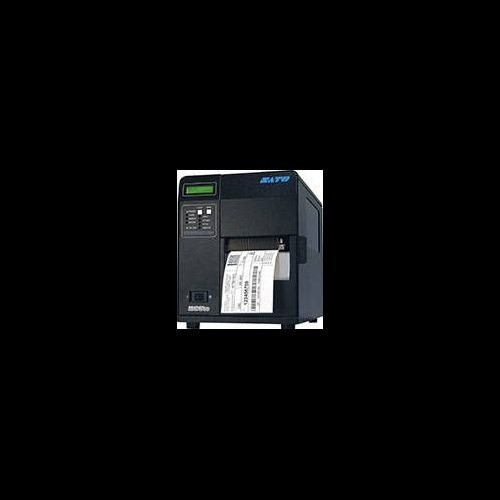
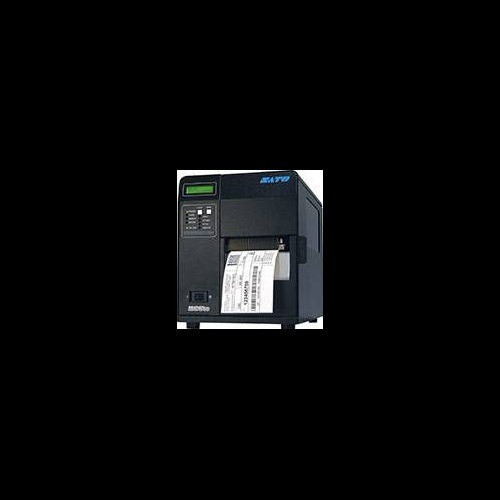
Both the Sato M84Pro WM8430231 and WM8430221 are 203 dpi industrial direct thermal / thermal transfer label printers from the same M84Pro platform, sharing identical chassis dimensions, print speed, media handling ranges, connectivity interfaces, display hardware, memory, and power specifications. They target the same industrial labeling segment — warehousing, manufacturing, and logistics — where buyers evaluate print performance, media flexibility, and integration options. This comparison surfaces every documented specification difference to help integrators and procurement teams determine whether the distinction between these two SKUs matters for their specific deployment.
In This Guide
- Do the WM8430231 and WM8430221 differ in print resolution, speed, or output width?
- Are there differences in media handling, operating environment, or physical build between the two models?
- How do the WM8430231 and WM8430221 compare on connectivity, display, memory, and software compatibility?
- Which should you choose: the WM8430231 or the WM8430221?
- Side-by-Side Specs
- FAQ
Do the WM8430231 and WM8430221 differ in print resolution, speed, or output width?
Both models are specified at 203 dpi resolution and 10 ips print speed with a maximum print width of 4.1 inches. The WM8430231 spec sheet explicitly links resolution and speed together — '203 dpi at 10 ips' — while the WM8430221 datasheet lists these figures independently without a combined qualifier. No functional difference in print performance is derivable from the provided specifications; both units produce the same dot density across the same maximum label width at the same throughput rate.
Ribbon capacity is identical on both: maximum ribbon length of 1,968 ft (600 m). Maximum media roll diameter is 8.6 inches on both, and the media width range of 1 inch to 4.5 inches applies to both. The WM8430221 spec additionally documents a media core size of 3 inches; the WM8430231 spec does not state a core size figure.
Are there differences in media handling, operating environment, or physical build between the two models?
Physical dimensions (15.0" × 10.6" × 11.6"), weight (39.7 lb / 11.0 kg), and power input (AC 100–240 V, 50/60 Hz) are identical across both SKUs. Operating temperature range is the same: 5°C to 40°C (41°F to 104°F). Both support direct thermal and thermal transfer printing modes, giving operators flexibility across media types without hardware changes.
The WM8430221 specification explicitly lists a 3-inch media core size, a dimension absent from the WM8430231 spec sheet. Buyers running 3-inch core media should note this documented detail for the WM8430221. Neither spec sheet documents humidity tolerance, ingress protection rating, or drop/vibration ratings, so no environmental ruggedness comparison can be made from the provided data.
The WM8430231 card bullet explicitly calls out a 'tool-free printhead swap' feature. The WM8430221 card bullet also references 'tool-free printhead swap.' Both models therefore appear to share this maintenance convenience, though the WM8430231 structured spec fields do not independently confirm it — the claim appears only in marketing bullet copy for WM8430231 and in card bullet copy for WM8430221.
How do the WM8430231 and WM8430221 compare on connectivity, display, memory, and software compatibility?
Both models list USB 2.0, Ethernet, RS-232C, and Parallel interfaces in their datasheet narrative, and both structured spec fields confirm Ethernet and USB. The 3.5-inch color LCD is present on both. The WM8430231 specification explicitly flags 'day/night' display modes as a structured spec field and describes the display as having 'day/night modes for production floor visibility.' The WM8430221 structured spec also marks Day/Night as 'Yes,' so both units carry this feature per their specs.
Memory is identical: 2 MB Flash, 16 MB SDRAM, 2 MB user storage on both models. Operating system compatibility is listed as Windows for both. No firmware version, command language (e.g., SBPL), or software bundle differences are documented in the provided specifications, so no integration or compatibility differentiation can be drawn from the available data.
Which should you choose: the WM8430231 or the WM8430221?
Our take: The WM8430231 and WM8430221 are functionally identical per every quantified specification provided: 203 dpi at 10 ips, 4.1-inch maximum print width, identical media range (1"–4.5" width, 8.6" OD, 1,968 ft ribbon), same chassis, same weight, same memory, same connectivity, same display, same operating temperature, and the same 1-year warranty. The sole documented spec difference favoring the WM8430221 is an explicitly stated 3-inch media core size, absent from the WM8430231 spec sheet — buyers whose label rolls use 3-inch cores have a confirmed figure only for the WM8430221. Neither model lists a command language, firmware version, interface board variant, or accessory bundle in the provided specs that would explain the SKU split. Integrators who need the 3-inch core spec documented should select the WM8430221; all other buyers should verify with Sato whether the SKU difference reflects a hardware variant (e.g., interface board, region) not captured in these specification sheets before committing to either model.
Side-by-Side Comparison
Spec-for-spec, from manufacturer data.
| Specification | Sato WM8430231 | Sato WM8430221 |
|---|---|---|
| MPN / SKU | WM8430231 | WM8430221 |
| Print Resolution | 203 dpi | 203 dpi |
| Print Speed | 10 ips | 10 ips |
| Print Method | Direct Thermal / Thermal Transfer | Direct Thermal / Thermal Transfer |
| Max Print Width | 4.1" | 4.1" |
| Media Width Range | 1" to 4.5" | 1" to 4.5" |
| Media Core Size | — | 3" |
| Max Roll Diameter | 8.6" | 8.6" |
| Max Ribbon Length | 1,968 ft (600 m) | 1,968 ft (600 m) |
| Display | 3.5" Color LCD | 3.5" Color LCD |
| Day/Night Display Mode | Yes | Yes |
| Connectivity | USB 2.0, Ethernet, RS-232C, Parallel | USB 2.0, Ethernet, RS-232C, Parallel |
| Memory (Flash / SDRAM / User) | 2 MB / 16 MB / 2 MB | 2 MB / 16 MB / 2 MB |
| Power Input | AC 100–240 V, 50/60 Hz | AC 100–240 V, 50/60 Hz |
| Operating Temperature | 5°C to 40°C (41°F to 104°F) | 5°C to 40°C (41°F to 104°F) |
| Dimensions (W x D x H) | 15.0" x 10.6" x 11.6" | 15.0" x 10.6" x 11.6" |
| Weight | 39.7 lb (11.0 kg) | 39.7 lb (11.0 kg) |
| Warranty | 1-year | 1-year |
Frequently Asked Questions
Which should you choose: the WM8430231 or the WM8430221?
The WM8430231 and WM8430221 are functionally identical per every quantified specification provided: 203 dpi at 10 ips, 4.1-inch maximum print width, identical media range (1"–4.5" width, 8.6" OD, 1,968 ft ribbon), same chassis, same weight, same memory, same connectivity, same display, same operating temperature, and the same 1-year warranty. The sole documented spec difference favoring the WM8430221 is an explicitly stated 3-inch media core size, absent from the WM8430231 spec sheet — buyers whose label rolls use 3-inch cores have a confirmed figure only for the WM8430221. Neither model lists a command language, firmware version, interface board variant, or accessory bundle in the provided specs that would explain the SKU split. Integrators who need the 3-inch core spec documented should select the WM8430221; all other buyers should verify with Sato whether the SKU difference reflects a hardware variant (e.g., interface board, region) not captured in these specification sheets before committing to either model.
Is there any real performance difference between the WM8430231 and WM8430221?
Based on the provided specifications, no. Both print at 203 dpi and 10 ips with a 4.1-inch maximum print width, identical media handling ranges, and the same ribbon capacity of 1,968 ft. No throughput, resolution, or output-quality difference is documented in the specs supplied.
Which model should I choose if my label rolls use 3-inch cores?
The WM8430221 specification explicitly states a 3-inch media core size. The WM8430231 specification does not list a core size figure. If documented core-size compatibility is a procurement or compliance requirement, the WM8430221 is the only model with that spec on record from the data provided.
Do both the WM8430231 and WM8430221 support legacy serial and parallel connections?
Yes. Both models' datasheet narratives list USB 2.0, Ethernet, RS-232C, and Parallel as supported interfaces. The structured spec fields for both confirm Ethernet and USB; RS-232C and Parallel are documented in the datasheet and card-bullet copy for both SKUs, making either model suitable for integration with legacy host systems.
More Label Printer Comparisons
- Sato WM8430031 vs Zebra ZT62062-T210100Z
- Sato WM8430031 vs Sato WM8430231
- Sato WM8430031 vs Sato WM8430221
- Sato WM8430221 vs Zebra ZT62062-T210100Z
- Sato WM8430021 vs Zebra ZT62062-T210100Z
- Sato WM8430021 vs Sato WM8430031
Label Printer Buying Guides
Get a Second Opinion on Your Camera Choice
Share your site layout, coverage goals, and budget. Our team will validate the camera selection, flag anything we would change, and recommend products that match the use case.