
Sato WM8430031 vs Sato WM8430221: Specification Comparison
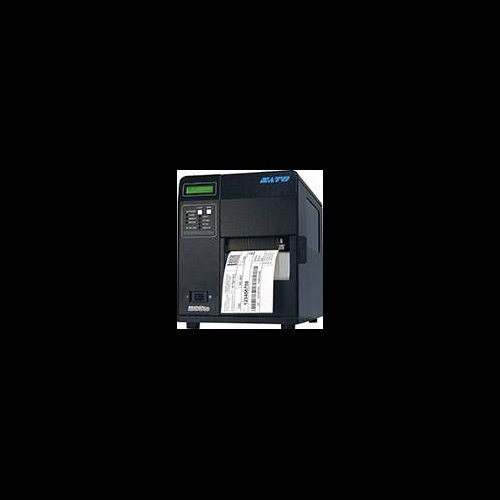
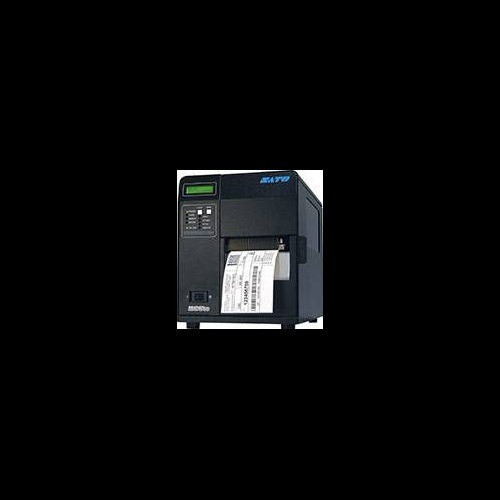
Both the Sato M84Pro WM8430031 and WM8430221 are industrial-grade 203 dpi thermal label printers from the same M84Pro platform, sharing identical print engine specifications, chassis dimensions, and connectivity options. A buyer evaluating these two SKUs is choosing between variants of the same industrial printer line — likely differentiated by firmware, interface configuration, or regional compliance. This comparison examines print performance, media handling, and connectivity to surface any meaningful spec-level differences between the two models.
In This Guide
- Do the WM8430031 and WM8430221 deliver the same print resolution and speed?
- Are there any differences in media and ribbon handling capacity between the two models?
- Do the WM8430031 and WM8430221 differ in connectivity or interface options?
- Which should you choose: the WM8430031 or the WM8430221?
- Side-by-Side Specs
- FAQ
Do the WM8430031 and WM8430221 deliver the same print resolution and speed?
Both models share an identical print engine specification. Each prints at 203 dpi resolution at a rated speed of 10 inches per second (ips), with a maximum print width of 4.1 inches. Both support dual-mode operation — direct thermal and thermal transfer — eliminating the need to choose a single media type at purchase.
No spec difference in resolution, speed, or print mode is documented between the two SKUs. A buyer who needs a higher resolution (e.g., 305 or 600 dpi) will not find it in either model based on provided specs.
Are there any differences in media and ribbon handling capacity between the two models?
Media handling specs are identical across both units. Each accepts media widths from 1 inch to 4.5 inches, supports roll outer diameters up to 8.6 inches, and accommodates a 3-inch core size. Maximum ribbon length is 1,968 ft (600 m) on both models.
The WM8430031 spec set explicitly documents a maximum ribbon length of 1,968 ft (600 m) and a max media roll diameter of 8.6 inches in its structured fields, as does the WM8430221. No difference in media or ribbon capacity is present in the provided specifications for either model.
Do the WM8430031 and WM8430221 differ in connectivity or interface options?
Both models list USB 2.0, Ethernet, RS-232C, and Parallel as connectivity options in their datasheet-sourced (~) fields. The structured (_) fields for both list 'Ethernet, USB' without explicitly enumerating RS-232C or Parallel — however, the datasheet fields confirm identical four-interface support on both SKUs.
Both models include a 3.5-inch color LCD display, 2 MB Flash, 16 MB SDRAM, and 2 MB user storage. Operating system compatibility (Windows) and power input (AC 100–240V, 50/60 Hz) are the same. The WM8430031 structured fields label memory as '16 MB SDRAM' while the WM8430221 labels it '16 MB' — the datasheet values confirm the same configuration. No interface or memory difference is supported by the provided specs.
Which should you choose: the WM8430031 or the WM8430221?
Our take: The WM8430031 and WM8430221 are functionally identical based on all provided specifications — there is no documented performance, media, connectivity, or environmental difference between the two SKUs that would favor one over the other for a given use case. Both deliver 203 dpi at 10 ips, accept 1"–4.5" media on 3" cores up to 8.6" OD, support direct thermal and thermal transfer modes, and connect via USB 2.0, Ethernet, RS-232C, and Parallel. Both carry a 1-year warranty, identical weight (39.7 lbs / 11.0 kg), and the same operating temperature range (41°F–104°F). The SKU difference most likely reflects a firmware variant, regional compliance configuration, or bundled accessory distinction not captured in the provided spec data. Buyers should confirm the specific differentiator — such as included software license, power cord standard, or regional certification — directly with Sato or the fulfillment channel before selecting between these two part numbers.
Side-by-Side Comparison
Spec-for-spec, from manufacturer data.
| Specification | Sato WM8430031 | Sato WM8430221 |
|---|---|---|
| MPN / SKU | WM8430031 | WM8430221 |
| Print Resolution | 203 dpi | 203 dpi |
| Print Speed | 10 ips | 10 ips |
| Max Print Width | 4.1 inches | 4.1 inches |
| Print Modes | Direct thermal and thermal transfer | Direct thermal and thermal transfer |
| Media Width Range | 1" to 4.5" | 1" to 4.5" |
| Media Core Size | 3 inches | 3 inches |
| Max Roll Diameter | 8.6 inches | 8.6 inches |
| Max Ribbon Length | 1,968 ft (600 m) | 1,968 ft (600 m) |
| Connectivity | USB 2.0, Ethernet, RS-232C, Parallel | USB 2.0, Ethernet, RS-232C, Parallel |
| Display | 3.5" color LCD | 3.5" color LCD |
| Memory Flash | 2 MB | 2 MB |
| Memory SDRAM | 16 MB | 16 MB |
| User Storage | 2 MB | 2 MB |
| Power Input | AC 100–240V, 50/60 Hz | AC 100–240V, 50/60 Hz |
| Operating Temperature | 41°F–104°F (5°C–40°C) | 41°F–104°F (5°C–40°C) |
| Weight | 39.7 lbs (11.0 kg) | 39.7 lbs (11.0 kg) |
| Dimensions (L x W x H) | 15.0" x 10.6" x 11.6" | 15.0" x 10.6" x 11.6" |
| Housing | Industrial metal | — |
| Warranty | 1-year | 1-year |
Frequently Asked Questions
Which should you choose: the WM8430031 or the WM8430221?
The WM8430031 and WM8430221 are functionally identical based on all provided specifications — there is no documented performance, media, connectivity, or environmental difference between the two SKUs that would favor one over the other for a given use case. Both deliver 203 dpi at 10 ips, accept 1"–4.5" media on 3" cores up to 8.6" OD, support direct thermal and thermal transfer modes, and connect via USB 2.0, Ethernet, RS-232C, and Parallel. Both carry a 1-year warranty, identical weight (39.7 lbs / 11.0 kg), and the same operating temperature range (41°F–104°F). The SKU difference most likely reflects a firmware variant, regional compliance configuration, or bundled accessory distinction not captured in the provided spec data. Buyers should confirm the specific differentiator — such as included software license, power cord standard, or regional certification — directly with Sato or the fulfillment channel before selecting between these two part numbers.
Is the WM8430031 or WM8430221 faster or higher resolution?
Neither. Both models are rated at 203 dpi and 10 ips. No print speed or resolution difference is documented in the provided specifications for either SKU.
Can both the WM8430031 and WM8430221 handle the same label and ribbon sizes?
Yes. Both accept media widths from 1 inch to 4.5 inches, support roll outer diameters up to 8.6 inches on a 3-inch core, and accommodate ribbons up to 1,968 ft (600 m). No media handling difference is present in the provided specs.
What is the actual difference between SKU WM8430031 and WM8430221?
The provided specifications do not document a functional difference between the two SKUs. Both share the same chassis, print engine, media handling, connectivity, memory, display, power input, and warranty. The distinction likely lies in firmware version, regional compliance certification, or included accessories — confirm with Sato before ordering.
More Label Printer Comparisons
- Sato WM8430031 vs Zebra ZT62062-T210100Z
- Sato WM8430031 vs Sato WM8430231
- Sato WM8430231 vs Sato WM8430221
- Sato WM8430221 vs Zebra ZT62062-T210100Z
- Sato WM8430021 vs Zebra ZT62062-T210100Z
- Sato WM8430021 vs Sato WM8430031
Label Printer Buying Guides
Get a Second Opinion on Your Camera Choice
Share your site layout, coverage goals, and budget. Our team will validate the camera selection, flag anything we would change, and recommend products that match the use case.