
Sato WM8430031 vs Zebra ZT62062-T210100Z: Specification Comparison
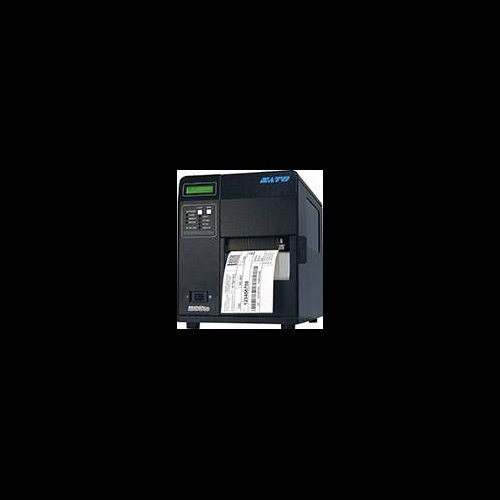
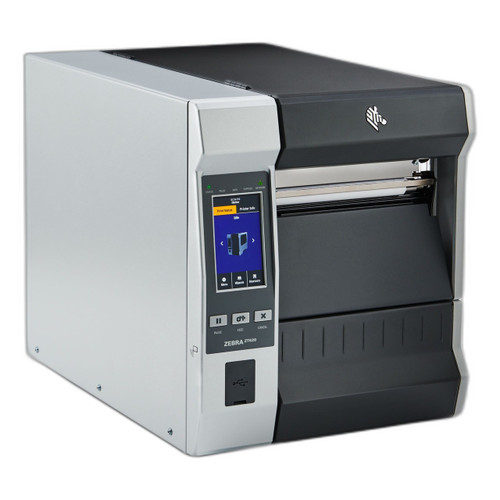
Both the Sato M84Pro (WM8430031) and the Zebra ZT62062-T210100Z are 203 DPI industrial-class thermal label printers designed for high-volume barcode and shipping-label output in warehouse, distribution, and manufacturing environments. Each offers wired connectivity including USB and Ethernet and ships with a one-year warranty. The comparison centers on print-width capability, media handling and output finishing, memory and wireless expansion, and the tradeoffs between dual-mode thermal transfer versus direct-thermal-only operation.
In This Guide
- Which printer supports wider media and which print methods are available?
- How do the two printers differ in media handling, output finishing, and physical footprint?
- What are the differences in connectivity, memory, and wireless or expansion options?
- Which should you choose: the WM8430031 or the ZT62062-T210100Z?
- Side-by-Side Specs
- FAQ
Which printer supports wider media and which print methods are available?
The Zebra ZT62062-T210100Z is specified for a 6-inch print width, while the Sato WM8430031 is rated for a maximum print width of 4.1 inches and a maximum media width of 4.5 inches. For applications requiring wide-format labels — compliance labels, pallet tags, or wide shipping carton labels — the Zebra's 6-inch print width provides significantly more usable label real estate.
On print method, the Sato WM8430031 supports both direct thermal and thermal transfer modes in a single unit, allowing use of thermal transfer ribbon (up to 1,968 ft / 600 m per roll) or direct thermal media without a ribbon. The Zebra ZT62062-T210100Z is specified as direct thermal only (no ribbon). Buyers who need to print on polyester, polypropylene, or other non-direct-thermal substrates requiring ribbon will need to evaluate this distinction carefully.
How do the two printers differ in media handling, output finishing, and physical footprint?
The Sato WM8430031 accommodates media roll diameters up to 8.6 inches on a 3-inch core, with media width ranging from 1 to 4.5 inches. No integrated cutter or rewind mechanism is specified in the provided data.
The Zebra ZT62062-T210100Z is specified with an integrated standard rewind mechanism that auto-orients labels face-up, reducing manual handling in high-volume runs. It also lists a front-mount guillotine cutter. Neither a maximum roll diameter nor a media core size is provided for the Zebra in the supplied specifications.
Physically, the Sato WM8430031 is the lighter unit at 24.3 lbs (11.0 kg) per its metric specification, though its imperial spec sheet lists 39.7 lbs — buyers should confirm with the datasheet. The Zebra ZT62062-T210100Z is listed at 75.65 lbs, reflecting its larger chassis and integrated finishing hardware. The Sato's operating temperature range is documented as 41°F to 104°F (5°C to 40°C); no operating temperature range is provided for the Zebra in the supplied specs.
What are the differences in connectivity, memory, and wireless or expansion options?
The Sato WM8430031 provides USB 2.0, Ethernet, RS-232C, and Parallel ports, with 16 MB SDRAM and 2 MB Flash (2 MB user storage), running on a Windows operating system. It also features a 3.5-inch color LCD display for operator interaction. No Bluetooth is specified.
The Zebra ZT62062-T210100Z lists USB, Ethernet, and Parallel connectivity and is specified with 1 GB RAM — a substantial advantage for on-device application hosting, utilities, and label formatting. Bluetooth 5.3 is listed, enabling wireless host connectivity without a dedicated wired run. No display size or type is specified for the Zebra in the provided data. The Zebra also notes optional color ribbon compatibility despite being direct thermal, though this requires clarification against the direct-thermal-only print method spec.
For IT environments managing printer fleets with on-device apps or requiring wireless connectivity, the Zebra's 1 GB RAM and Bluetooth 5.3 represent a clear expansion advantage over the Sato's 16 MB SDRAM / 2 MB Flash configuration.
Which should you choose: the WM8430031 or the ZT62062-T210100Z?
Our take: The WM8430031 is the stronger choice when operations require dual-mode printing — thermal transfer and direct thermal — on a single device, with RS-232C and Parallel legacy connectivity and a color LCD operator interface. The Zebra ZT62062-T210100Z is the stronger choice when print width (6" vs. 4.1"), integrated output finishing (built-in rewind and guillotine cutter), memory headroom (1 GB RAM vs. 16 MB SDRAM), and wireless connectivity (Bluetooth 5.3 vs. none specified) are the deciding factors. For high-volume direct-thermal-only environments needing wide pallet or carton labels with automated label orientation, the Zebra's spec profile is purpose-built. For mixed-substrate printing on a smaller physical footprint with broader legacy port support, the Sato M84Pro is the more versatile single-unit solution. Operating environment tolerance is only documented for the Sato (41°F–104°F); buyers in controlled warehouse environments should request the Zebra's thermal spec before finalizing.
Side-by-Side Comparison
Spec-for-spec, from manufacturer data.
| Specification | Sato WM8430031 | Zebra ZT62062-T210100Z |
|---|---|---|
| Print Width (Max) | 4.1 inches | 6 inches |
| Resolution | 203 DPI | 203 DPI |
| Print Method | Direct Thermal & Thermal Transfer | Direct Thermal Only |
| Print Speed | 10 ips | — |
| Media Width Range | 1 to 4.5 inches | — |
| Max Roll Diameter | 8.6 inches | — |
| Media Core Size | 3 inches | — |
| Max Ribbon Length | 1,968 ft (600 m) | N/A (no ribbon) |
| Connectivity | USB 2.0, Ethernet, RS-232C, Parallel | USB, Ethernet, Parallel |
| Bluetooth | — | 5.3 |
| RAM | 16 MB SDRAM | 1 GB |
| Flash / Storage | 2 MB Flash / 2 MB User | — |
| Display | 3.5" Color LCD | — |
| Integrated Rewind | — | Standard (Integrated) |
| Cutter | — | Front-mount Guillotine |
| Operating Temperature | 41°F to 104°F (5°C to 40°C) | — |
| Weight | 24.3 lbs (11.0 kg) [spec sheet also lists 39.7 lbs — verify] | 75.65 lbs |
| Power | AC 100–240V, 50/60Hz | — |
| Warranty | 1 year | 1 year |
Frequently Asked Questions
Which should you choose: the WM8430031 or the ZT62062-T210100Z?
The WM8430031 is the stronger choice when operations require dual-mode printing — thermal transfer and direct thermal — on a single device, with RS-232C and Parallel legacy connectivity and a color LCD operator interface. The Zebra ZT62062-T210100Z is the stronger choice when print width (6" vs. 4.1"), integrated output finishing (built-in rewind and guillotine cutter), memory headroom (1 GB RAM vs. 16 MB SDRAM), and wireless connectivity (Bluetooth 5.3 vs. none specified) are the deciding factors. For high-volume direct-thermal-only environments needing wide pallet or carton labels with automated label orientation, the Zebra's spec profile is purpose-built. For mixed-substrate printing on a smaller physical footprint with broader legacy port support, the Sato M84Pro is the more versatile single-unit solution. Operating environment tolerance is only documented for the Sato (41°F–104°F); buyers in controlled warehouse environments should request the Zebra's thermal spec before finalizing.
Can the Zebra ZT62062-T210100Z print using thermal transfer ribbon like the Sato WM8430031?
Based on the provided specifications, the Zebra ZT62062-T210100Z is listed as direct thermal only (no ribbon), while the Sato WM8430031 supports both direct thermal and thermal transfer modes and accepts ribbon rolls up to 1,968 ft (600 m). If your media requires ribbon — such as polyester or polypropylene substrates — the Sato WM8430031 is the only one of the two specified for that capability.
Which printer is better suited for high-volume automated label dispensing?
The Zebra ZT62062-T210100Z includes an integrated standard rewind mechanism and a front-mount guillotine cutter, both of which reduce manual label handling in high-volume runs. The Sato WM8430031 does not list either of these finishing options in the provided specifications. For automated or near-continuous label dispensing workflows, the Zebra's integrated finishing hardware provides a documented advantage.
Does either printer support wireless connectivity for fleet management or mobile host pairing?
The Zebra ZT62062-T210100Z lists Bluetooth 5.3 in its specifications, enabling wireless host connectivity. The Sato WM8430031 does not list any wireless connectivity option in the provided specifications — its connectivity is limited to USB 2.0, Ethernet, RS-232C, and Parallel. For environments requiring wireless integration or mobile device pairing, the Zebra is the only specified option of the two.
More Label Printer Comparisons
- Sato WM8430031 vs Sato WM8430231
- Sato WM8430031 vs Sato WM8430221
- Sato WM8430231 vs Sato WM8430221
- Sato WM8430221 vs Zebra ZT62062-T210100Z
- Sato WM8430021 vs Zebra ZT62062-T210100Z
- Sato WM8430021 vs Sato WM8430031
Label Printer Buying Guides
Get a Second Opinion on Your Camera Choice
Share your site layout, coverage goals, and budget. Our team will validate the camera selection, flag anything we would change, and recommend products that match the use case.