
Honeywell 3320G-4USB-0-N vs Honeywell 3320G-2-N: Specification Comparison
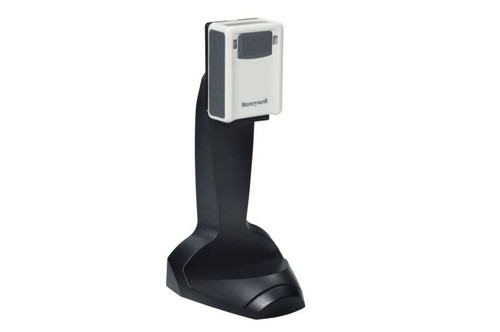
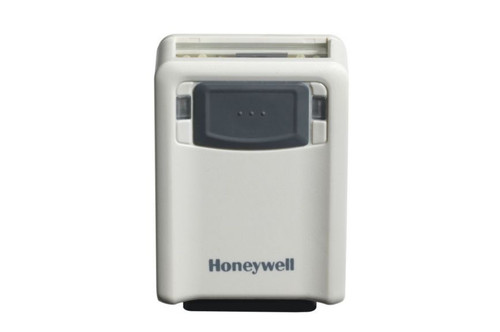
Both products are Honeywell Vuquest 3320g fixed presentation scanners designed for retail point-of-sale and similar high-throughput barcode reading applications. The 3320G-4USB-0-N and 3320G-2-N share the same platform, scan engine, and form factor, differing primarily in their part-number suffix — which in Honeywell's nomenclature typically denotes cable type or interface kit configuration. This comparison evaluates the two models across their published specifications to surface any meaningful differences a buyer or integrator should weigh before selecting one over the other.
In This Guide
- How do the two scanners compare on scan engine capability and working range?
- What interface and cable differences exist between the 3320G-4USB-0-N and the 3320G-2-N?
- How do both models handle environmental protection, temperature, and physical durability?
- Which should you choose: the 3320G-4USB-0-N or the 3320G-2-N?
- Side-by-Side Specs
- FAQ
How do the two scanners compare on scan engine capability and working range?
Both the 3320G-4USB-0-N and 3320G-2-N share an identical 838 × 640 pixel area-image sensor and a working range of 15–120 cm (6–48 in). Neither model holds an advantage in read distance or pixel resolution based on the provided specifications.
Symbology coverage is described identically for both: standard 1D linear codes, PDF (PDF417), and 2D formats including QR Code and Data Matrix per the 3320G-2-N spec listing, with the 3320G-4USB-0-N spec indicating the same symbology classes without conflict. No scan pattern, decode algorithm, or motion-tolerance differentiator is present in the supplied data for either unit.
The 5-mil Code 39 depth-of-field window of 55–159 mm (2.2–6.3 in) is identical across both models, confirming a shared optical and decode subsystem. Buyers should not expect any practical scan-performance difference between the two.
What interface and cable differences exist between the 3320G-4USB-0-N and the 3320G-2-N?
Both units are corded USB scanners operating at 5 VDC ± 0.25 V. The part-number suffix '4USB' in the 3320G-4USB-0-N explicitly signals a USB interface configuration, while the 3320G-2-N carries the '-2' suffix. In Honeywell's Vuquest 3320g ordering convention, these suffixes denote cable or connector variants (e.g., straight vs. coiled cable, or cable length), but the specific cable type for each suffix is not enumerated in the provided specifications.
No RS-232, keyboard-wedge, or alternative interface option is indicated for either model in the supplied data. Both are documented as USB wired only, meaning host-system compatibility requirements are identical in terms of interface protocol.
Installers integrating into POS terminals, kiosks, or warehouse pick stations should verify cable length and connector style against their specific hardware before ordering, as the suffix difference most likely represents a physical cable variant rather than a functional interface distinction.
How do both models handle environmental protection, temperature, and physical durability?
Both scanners carry an IP53 rating per the structured product specifications, indicating protection against dust ingress sufficient to prevent harmful deposits and protection against water spray from any direction up to 60°. The tilde-prefixed enrichment fields on both models cite IP42, a discrepancy within the provided data. Buyers should verify the authoritative IP rating against the manufacturer's official datasheet before specifying either unit in environments where ingress protection is a compliance requirement.
Operating temperature is identical for both: −20°C to +50°C (−4°F to +122°F), covering typical retail and light-industrial indoor ranges without differentiation.
Weight is 77 g (0.17 lbs) for both units. No drop-rating, housing material, or MTBF figure is present in the supplied specifications for either model. Physical build characteristics cannot be differentiated from the available data.
Which should you choose: the 3320G-4USB-0-N or the 3320G-2-N?
Our take: The 3320G-4USB-0-N and 3320G-2-N are functionally equivalent based on every specification provided: both share the same 838 × 640 pixel area-image engine, 15–120 cm working range, 5-mil Code 39 depth of field, USB wired interface at 5 VDC, −20°C to +50°C operating range, 77 g weight, and 3-year warranty. No spec delta favors one unit over the other on scan performance, environmental protection, or power. The sole documented difference is the part-number suffix ('4USB-0' vs. '2'), which in Honeywell's ordering system denotes a cable or kit configuration variant — most likely cable style or length — but the specific physical difference is not enumerated in the supplied data. Buyers should select the suffix that matches their POS terminal's cable routing and connector requirements, and confirm the distinction directly against Honeywell's configuration guide or datasheet before placing a large-quantity order.
Side-by-Side Comparison
Spec-for-spec, from manufacturer data.
| Specification | Honeywell 3320G-4USB-0-N | Honeywell 3320G-2-N |
|---|---|---|
| Series / Family | Vuquest 3320g | Vuquest 3320g |
| Part Number | 3320G-4USB-0-N | 3320G-2-N |
| Scan Type | Presentation (1D/2D) | Presentation (1D/2D) |
| Scan Pattern | Area Image, 838 × 640 px | Area Image, 838 × 640 px |
| Working Range | 15–120 cm (6–48 in) | 15–120 cm (6–48 in) |
| 5-mil Code 39 DOF | 55–159 mm (2.2–6.3 in) | 55–159 mm (2.2–6.3 in) |
| Symbologies | 1D, PDF417, 2D (QR, Data Matrix) | 1D, PDF417, 2D (QR, Data Matrix) |
| Connectivity | Corded USB | Corded USB |
| Input Voltage | 5 VDC ± 0.25 V | 5 VDC ± 0.25 V |
| IP Rating (structured spec) | IP53 | IP53 |
| IP Rating (enrichment field) | IP42 | IP42 |
| Operating Temperature | −20°C to +50°C | −20°C to +50°C |
| Weight | 77 g (0.17 lbs) | 77 g (0.17 lbs) |
| Application | Retail point-of-sale | Retail point-of-sale / warehouse pick |
| Warranty | 3-year | 3-year |
| Cable / Kit Variant | 4USB-0 (USB cable config — details not specified) | 2 (cable config — details not specified) |
Frequently Asked Questions
Which should you choose: the 3320G-4USB-0-N or the 3320G-2-N?
The 3320G-4USB-0-N and 3320G-2-N are functionally equivalent based on every specification provided: both share the same 838 × 640 pixel area-image engine, 15–120 cm working range, 5-mil Code 39 depth of field, USB wired interface at 5 VDC, −20°C to +50°C operating range, 77 g weight, and 3-year warranty. No spec delta favors one unit over the other on scan performance, environmental protection, or power. The sole documented difference is the part-number suffix ('4USB-0' vs. '2'), which in Honeywell's ordering system denotes a cable or kit configuration variant — most likely cable style or length — but the specific physical difference is not enumerated in the supplied data. Buyers should select the suffix that matches their POS terminal's cable routing and connector requirements, and confirm the distinction directly against Honeywell's configuration guide or datasheet before placing a large-quantity order.
Is there any difference in scan performance between the 3320G-4USB-0-N and the 3320G-2-N?
Based on the provided specifications, no. Both models use the same 838 × 640 pixel area-image sensor, the same 15–120 cm working range, and the same 5-mil Code 39 depth-of-field window of 55–159 mm. Symbology coverage is also identical across both units.
Can both the 3320G-4USB-0-N and 3320G-2-N connect to standard POS terminals via USB?
Yes. Both models are corded USB scanners powered at 5 VDC ± 0.25 V. The interface protocol is USB on both units. The part-number suffix difference most likely reflects a physical cable configuration variant (such as cable length or connector style) rather than a different interface type — confirm the specific cable details with Honeywell's product configurator before ordering.
Which model should I choose for a high-volume retail checkout environment?
The published specifications do not differentiate the two models on durability, scan rate, or any performance metric relevant to throughput. Selection should be based on the cable configuration required by your POS hardware. Both carry a 3-year warranty and are rated for −20°C to +50°C operation. Verify the IP rating (structured specs cite IP53; enrichment fields cite IP42 — confirm with Honeywell's datasheet) if moisture or dust exposure is a concern.
More Barcode Scanner Comparisons
- Zebra DS9308 vs Datalogic M3410-010200-00403
- Zebra DS9308 vs Datalogic M3410-010210-00403
- Zebra DS9308 vs Datalogic M3450-010310-21104
- Zebra DS9308 vs Datalogic M3410-010210-00604
- Zebra DS9308 vs Zebra DS9308
- Zebra DS9308 vs Zebra DS9908
Barcode Scanner Buying Guides
Get a Second Opinion on Your Camera Choice
Share your site layout, coverage goals, and budget. Our team will validate the camera selection, flag anything we would change, and recommend products that match the use case.