
APC by Schneider Electric SMT3000RM2UCUS vs Panduit U03S12V: Specification Comparison
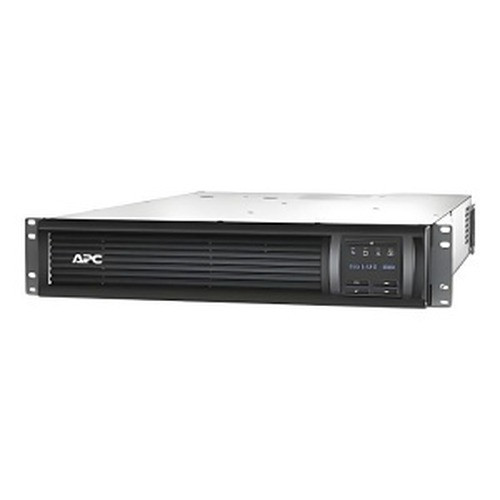
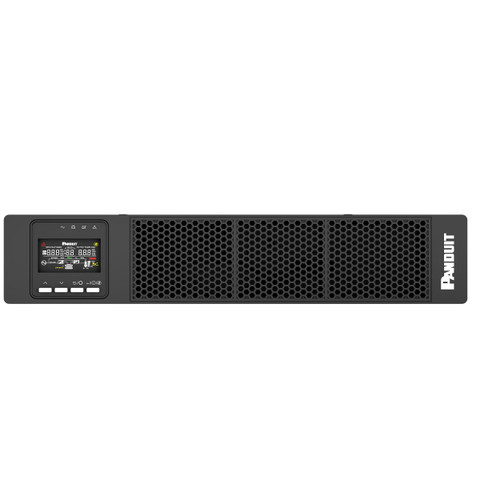
Both the APC Smart-UPS SMT3000RM2UCUS and the Panduit SteadySine U03S12V are 3000 VA / 2700 W, 2U rack-mount uninterruptible power supplies designed for 120 V AC environments. They occupy the same device class and power tier, making them genuine cross-shop candidates for data center, network closet, and edge deployments requiring protected, conditioned power at this capacity level. The comparison examines output quality and receptacle configuration, physical and environmental fit, and management and battery serviceability—the three dimensions most likely to drive a purchasing decision between units at this rating.
In This Guide
- How do output quality, receptacle count, and surge protection compare?
- How do the physical dimensions, weight, acoustic output, and operating environment compare?
- How do management interfaces, battery serviceability, and certifications compare?
- Which should you choose: the SMT3000RM2UCUS or the U03S12V?
- Side-by-Side Specs
- FAQ
How do output quality, receptacle count, and surge protection compare?
Both units deliver 2700 W / 3000 VA at 120 V AC and produce a sine-wave output—APC specifies 'sine wave' with less than 5% harmonic distortion; Panduit specifies 'True Sine Wave.' APC's transfer time is 6 ms typical / 10 ms maximum. Panduit's transfer time is 4 ms typical; no maximum is stated in the provided specs.
APC provides 6× NEMA 5-15R output receptacles. Panduit provides 8× NEMA 5-15R, split as 6 battery-backed + surge and 2 surge-only. APC lists a surge energy rating of 459 J; no surge energy rating is given for the Panduit. APC's topology is explicitly stated as Line Interactive with Automatic Voltage Regulation implied; Panduit explicitly lists AVR as a feature. The extra two surge-only outlets on the Panduit offer more protected connection points for peripherals that do not require battery backup.
How do the physical dimensions, weight, acoustic output, and operating environment compare?
Both units are 2U rack-mount form factors. Height is virtually identical: APC 3.4 in (86 mm), Panduit 3.4 in (86.5 mm). Width differs slightly: APC 17.008 in (432 mm) versus Panduit 17.3 in (440 mm)—verify rack clearance on the Panduit in tighter rail configurations. Depth is specified only for the APC at 26.9 in (683 mm); Panduit's depth is not provided in the available specs.
APC's weight is 97.62 lb (44.28 kg); Panduit's weight is not stated. APC specifies an acoustic noise level of 55 dBA and an online thermal dissipation of 348 Btu/h; neither figure is provided for the Panduit. APC's operating temperature range is 32–104 °F (0–40 °C) with an operating altitude ceiling of 10,000 ft; Panduit provides no operating temperature or altitude data in the supplied specs. Buyers deploying in high-temperature or high-altitude environments can only qualify the APC against those parameters from the provided data.
How do management interfaces, battery serviceability, and certifications compare?
Panduit explicitly lists USB, 10/100 Ethernet, and SNMP management interfaces, plus a cold-start capability. The APC spec sheet references one free expansion slot (implying optional network management card support) but does not list built-in Ethernet or SNMP in the provided specifications; its model name includes 'SmartConnect,' which typically denotes cloud/USB management, but that is not derivable from the provided specs alone.
Panduit specifies hot-swappable Sealed Lead-Acid batteries, which allows battery replacement without powering down connected loads. APC lists Lead-Acid chemistry with a 3–5 year battery life and a 3-hour typical recharge time at 172 W charge power; hot-swap capability is not stated in the provided APC specs.
APC carries cULus and ENERGY STAR V2.0 certifications plus TAA compliance—relevant for U.S. federal and government procurement. Panduit lists no certifications in the provided specs. APC's warranty is stated as 24 months product / 36 months contractual; Panduit's warranty terms are not provided.
Which should you choose: the SMT3000RM2UCUS or the U03S12V?
Our take: The SMT3000RM2UCUS is the stronger choice when TAA compliance, published environmental ratings, and a certified energy efficiency label are procurement requirements. APC provides a fully specified operating envelope (0–40 °C, 0–10,000 ft, 55 dBA, 348 Btu/h thermal load) and carries cULus + ENERGY STAR V2.0 + TAA certifications—none of which are present in the Panduit's provided specs. APC also documents a 459 J surge energy rating and a 24/36-month warranty. The U03S12V gains ground where network manageability and battery serviceability matter most: it includes built-in 10/100 Ethernet and SNMP without an add-on card, offers hot-swappable batteries for zero-downtime replacement, provides 8 receptacles versus 6, and posts a faster 4 ms typical transfer time versus APC's 6 ms typical. Buyers running always-on edge or enterprise MTDC racks who need in-band SNMP monitoring and field-replaceable batteries without a shutdown window should evaluate the Panduit, provided its missing specs—depth, weight, thermal, and certifications—can be confirmed from Panduit directly.
Side-by-Side Comparison
Spec-for-spec, from manufacturer data.
| Specification | APC by Schneider Electric SMT3000RM2UCUS | Panduit U03S12V |
|---|---|---|
| Capacity (VA) | 2880 VA (max configurable) | 3000 VA |
| Capacity (W) | 2700 W | 2700 W |
| Form Factor | 2U Rack-Mount | 2U Rack-Mount |
| Topology | Line Interactive | Not specified |
| Output Waveform | Sine Wave (<5% THD) | True Sine Wave |
| Transfer Time | 6 ms typical / 10 ms max | 4 ms typical / max not stated |
| Output Receptacles | 6× NEMA 5-15R | 8× NEMA 5-15R (6 battery+surge, 2 surge-only) |
| Surge Energy Rating | 459 J | — |
| Input Connection | NEMA L5-30P | Not specified |
| Input Voltage | 120 V AC | 120 V AC, 50/60 Hz auto-sensing |
| Battery Type | Lead-Acid | Sealed Lead-Acid, hot-swappable |
| Battery Recharge Time | 3 h typical | — |
| Battery Life | 3–5 years | — |
| Management Interfaces | 1 free expansion slot (built-in not stated) | USB, 10/100 Ethernet, SNMP |
| Automatic Voltage Regulation | Implied (Line Interactive) | Yes (explicit) |
| Cold Start | Not stated | Yes |
| Height | 3.4 in (86 mm) | 3.4 in (86.5 mm) |
| Width | 17.008 in (432 mm) | 17.3 in (440 mm) |
| Depth | 26.9 in (683 mm) | — |
| Weight | 97.62 lb (44.28 kg) | — |
| Acoustic Noise | 55 dBA | — |
| Thermal Dissipation | 348 Btu/h | — |
| Operating Temp | 32–104 °F (0–40 °C) | — |
| Operating Altitude | 0–10,000 ft | — |
| Certifications | cULus, ENERGY STAR V2.0, TAA | — |
| Warranty | 24 months product / 36 months contractual | — |
Frequently Asked Questions
Which should you choose: the SMT3000RM2UCUS or the U03S12V?
The SMT3000RM2UCUS is the stronger choice when TAA compliance, published environmental ratings, and a certified energy efficiency label are procurement requirements. APC provides a fully specified operating envelope (0–40 °C, 0–10,000 ft, 55 dBA, 348 Btu/h thermal load) and carries cULus + ENERGY STAR V2.0 + TAA certifications—none of which are present in the Panduit's provided specs. APC also documents a 459 J surge energy rating and a 24/36-month warranty. The U03S12V gains ground where network manageability and battery serviceability matter most: it includes built-in 10/100 Ethernet and SNMP without an add-on card, offers hot-swappable batteries for zero-downtime replacement, provides 8 receptacles versus 6, and posts a faster 4 ms typical transfer time versus APC's 6 ms typical. Buyers running always-on edge or enterprise MTDC racks who need in-band SNMP monitoring and field-replaceable batteries without a shutdown window should evaluate the Panduit, provided its missing specs—depth, weight, thermal, and certifications—can be confirmed from Panduit directly.
Which UPS is easier to manage remotely—the SMT3000RM2UCUS or the U03S12V?
Based on the provided specifications, the Panduit U03S12V has a clear advantage: it includes built-in 10/100 Ethernet and SNMP interfaces as standard features. The APC SMT3000RM2UCUS lists one free expansion slot, suggesting network management is available via an optional add-on card, but no built-in Ethernet or SNMP is stated in the provided specs. If out-of-the-box SNMP monitoring without an additional purchase is a requirement, the U03S12V is the better-specified option.
Can I replace the batteries on either unit without taking it offline?
The Panduit U03S12V explicitly specifies hot-swappable batteries, meaning battery packs can be exchanged without shutting down connected equipment. The APC SMT3000RM2UCUS does not state hot-swap capability in the provided specifications, though it does list battery life of 3–5 years and a 3-hour recharge time. Buyers for whom zero-downtime battery replacement is critical should confirm APC's hot-swap status with APC directly before ruling it out, but from the provided data only the Panduit guarantees this feature.
Which unit is better suited for U.S. government or federal procurement?
The APC SMT3000RM2UCUS carries explicit TAA (Trade Agreements Act) compliance, cULus safety certification, and ENERGY STAR V2.0—all commonly required for U.S. federal and SLED (state, local, education) contracts. The Panduit U03S12V lists no certifications in the provided specifications. If TAA compliance or ENERGY STAR qualification is a contract requirement, the SMT3000RM2UCUS is the only unit among the two that demonstrates those credentials from the available data.
More UPS Comparisons
- APC by Schneider Electric SMT3000RMI2U vs Vertiv GXT5-3000LVRT2UXL
- APC by Schneider Electric SMT3000RMI2U vs Panduit U03N11L
- APC by Schneider Electric SMT3000RMI2U vs Panduit U03N12L
- APC by Schneider Electric SMT3000RMI2U vs Panduit U03S12V
- APC by Schneider Electric SMT3000RMI2U vs APC by Schneider Electric SRT3000XLT
- APC by Schneider Electric SMT3000RMI2U vs APC by Schneider Electric SRT3000XLW-IEC
UPS Buying Guides
Get a Second Opinion on Your Camera Choice
Share your site layout, coverage goals, and budget. Our team will validate the camera selection, flag anything we would change, and recommend products that match the use case.