
APC by Schneider Electric BK650EI vs APC by Schneider Electric BR650MI: Specification Comparison
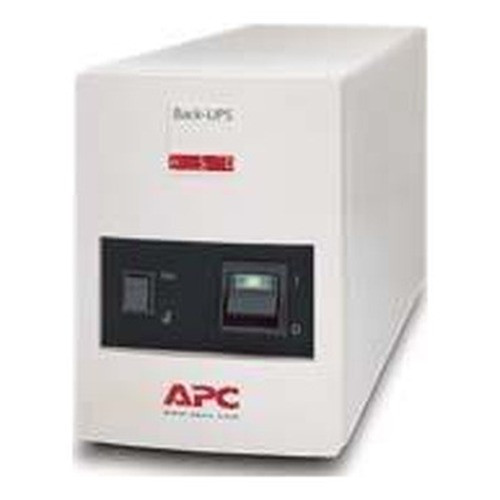
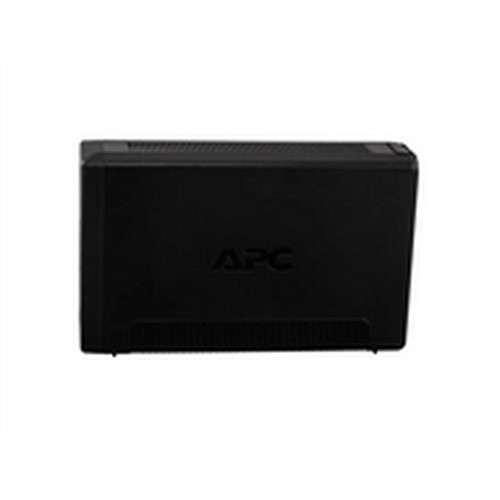
Both the APC BK650EI and BR650MI are tower-form-factor UPS units rated at 650 VA for 230 V environments, making them direct cross-shop candidates for small office, workstation, or network-closet battery backup. The key architectural difference is topology: the BK650EI is a standby (offline) unit from the Back-UPS CS series, while the BR650MI is a line-interactive unit from the Back-UPS Pro series. This comparison examines runtime and power capacity, topology and output quality, and physical and battery characteristics to help installers and IT buyers choose the right unit.
In This Guide
Which unit delivers more usable runtime and power capacity?
The BK650EI is rated at 400 W / 650 VA with a documented full-load runtime of 11.4 minutes and a half-load runtime of 2.4 minutes. The BR650MI is rated at 390 W / 650 VA. No full-load or half-load runtime figures are provided in the BR650MI specifications.
The 10 W difference in watt rating (400 W vs 390 W) is marginal and unlikely to be a practical differentiator. For buyers who need verified runtime numbers to plan generator transfer or graceful shutdown windows, the BK650EI provides that data directly; the BR650MI does not per the available specs.
How does each unit's power topology affect connected equipment protection?
The BK650EI uses a standby (offline) topology with a stepped sine wave output. In standby mode the load runs directly from utility power; the inverter engages only on power loss. A stepped sine wave is generally acceptable for equipment with active PFC power supplies but may cause compatibility issues with some sensitive loads.
The BR650MI uses a line-interactive topology. Line-interactive units continuously regulate voltage through an autotransformer (buck/boost) without switching to battery for minor sags or swells, reducing battery cycling and providing cleaner power delivery during brownout conditions. The BR650MI output waveform type is not specified in the provided specs.
For environments with frequent voltage fluctuations short of full outages — common in facilities with heavy electrical loads — the line-interactive architecture of the BR650MI offers a structural protection advantage over the BK650EI's standby design, even though waveform type cannot be confirmed from the available data.
What are the differences in battery life, physical footprint, and management features?
Battery life is specified at 6 years for the BK650EI and is not stated in the BR650MI specs. The BK650EI specifies a recharge time of 8 hours; no recharge time is provided for the BR650MI. The BR650MI battery is a 12 V, 7.0 Ah lead-acid unit; the BK650EI specifies spill-proof, maintenance-free lead-acid chemistry without stating voltage or Ah capacity.
The BK650EI weighs 13 lb (approximately 5.9 kg) and its package includes a USB cable, CD with software, and two detachable IEC C13-to-C14 power cords, indicating USB-based management connectivity. The BR650MI weighs 6.4 kg and lists USB connectivity in its product designation; no software bundle or cable contents are specified.
Outlet count is specified only for the BK650EI: six IEC 60320 C13 receptacles (three battery-backed, two surge-only per the receptacle detail). The BR650MI provides no outlet count or receptacle type in the available specs. Both units carry IEC form-factor connectors (C13/C14 or unspecified) suited to international 230 V deployments.
Which should you choose: the BK650EI or the BR650MI?
Our take: The BR650MI is the stronger choice when voltage regulation during brownouts is the primary concern, because its line-interactive topology actively corrects sags and swells without battery engagement — a structural advantage the standby BK650EI cannot match. Concrete spec deltas: (1) topology — line-interactive (BR650MI) vs standby (BK650EI); (2) watt rating — BK650EI edges out at 400 W vs BR650MI's 390 W, a negligible 10 W difference; (3) documented battery life — 6 years stated for the BK650EI, not stated for the BR650MI. The BK650EI is the better-documented unit: runtime figures (11.4 min full load), outlet count (6 × C13), certifications (CE, GOST, NEMKO, etc.), and package contents are all confirmed. Where regulatory compliance evidence and verified runtime data are required — common in government or healthcare procurement — the BK650EI's published spec sheet supports that burden of proof. The BR650MI suits brownout-prone environments; the BK650EI suits specification-driven procurement with defined shutdown time requirements.
Side-by-Side Comparison
Spec-for-spec, from manufacturer data.
| Specification | APC by Schneider Electric BK650EI | APC by Schneider Electric BR650MI |
|---|---|---|
| UPS Topology | Standby (Offline) | Line-Interactive |
| Product Series | Back-UPS CS | Back-UPS Pro |
| SKU / Model | BK650EI | BR650MI |
| Load Capacity (VA) | 650 VA | 650 VA |
| Load Capacity (W) | 400 W | 390 W |
| Input Voltage | 230 V | 230 V |
| Output Voltage | 230 V AC | 230 V |
| Output Waveform | Stepped Sine Wave | — |
| Number of Outlets | 6 × IEC 60320 C13 | — |
| Plug / Connector | IEC 320-C14 | — |
| Battery Chemistry | Lead Acid (spill-proof, maintenance-free) | Lead-acid |
| Battery Voltage / Capacity | — | 12 V / 7.0 Ah |
| Battery Life | 6 years | — |
| Recharge Time | 8 hours | — |
| Runtime at Full Load | 11.4 minutes | — |
| Runtime at Half Load | 2.4 minutes | — |
| Form Factor | Tower | Tower |
| Weight | 13 lb (~5.9 kg) | 6.4 kg |
| Management Interface | USB (cable included) | USB |
| Software Included | Yes (CD with software) | — |
Frequently Asked Questions
Which should you choose: the BK650EI or the BR650MI?
The BR650MI is the stronger choice when voltage regulation during brownouts is the primary concern, because its line-interactive topology actively corrects sags and swells without battery engagement — a structural advantage the standby BK650EI cannot match. Concrete spec deltas: (1) topology — line-interactive (BR650MI) vs standby (BK650EI); (2) watt rating — BK650EI edges out at 400 W vs BR650MI's 390 W, a negligible 10 W difference; (3) documented battery life — 6 years stated for the BK650EI, not stated for the BR650MI. The BK650EI is the better-documented unit: runtime figures (11.4 min full load), outlet count (6 × C13), certifications (CE, GOST, NEMKO, etc.), and package contents are all confirmed. Where regulatory compliance evidence and verified runtime data are required — common in government or healthcare procurement — the BK650EI's published spec sheet supports that burden of proof. The BR650MI suits brownout-prone environments; the BK650EI suits specification-driven procurement with defined shutdown time requirements.
Is the BK650EI or BR650MI better for protecting equipment in areas with frequent voltage dips?
The BR650MI is better suited for environments with frequent voltage dips. Its line-interactive topology continuously regulates input voltage through an autotransformer, handling sags and swells without switching to battery. The BK650EI's standby topology only engages the inverter on full power loss, so it does not correct brownouts before they reach connected equipment.
Which unit gives me documented runtime numbers to plan my shutdown sequence?
The BK650EI provides documented runtime figures in the available specs: 11.4 minutes at full load (400 W) and 2.4 minutes at half load. The BR650MI's specs do not include runtime figures, so shutdown planning based on published data is only possible with the BK650EI.
Can both units connect to a server or NMC for monitoring, and do they include management software?
Both units indicate USB connectivity. The BK650EI's package contents explicitly include a USB cable and a CD with software, confirming bundled management software. The BR650MI lists USB in its product designation but no software bundle or cable contents are specified in the available specs, so buyers should verify what management software, if any, is included before purchase.
More UPS Comparisons
- APC by Schneider Electric BK650EI vs APC by Schneider Electric BE650G1
- APC by Schneider Electric BE650G1 vs APC by Schneider Electric BR650MI
- APC by Schneider Electric BE650G1-LM vs APC by Schneider Electric BK650EI
- APC by Schneider Electric BE650G1-LM vs APC by Schneider Electric BE650G1
UPS Buying Guides
Get a Second Opinion on Your Camera Choice
Share your site layout, coverage goals, and budget. Our team will validate the camera selection, flag anything we would change, and recommend products that match the use case.