
APC by Schneider Electric BE650G1-LM vs APC by Schneider Electric BE650G1: Specification Comparison
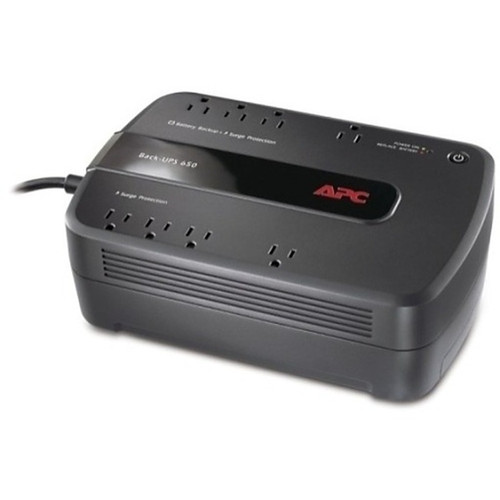
Both products are APC by Schneider Electric 650VA standby UPS units designed for desktop/tower deployment at 120V AC, targeting small office, home office, and light IT infrastructure protection. The BE650G1-LM and BE650G1 share the same core power rating — 650VA / 390W — and both use sealed lead-acid battery chemistry with USB connectivity. This comparison examines where their documented specs diverge across outlet configuration, runtime-related electrical parameters, and physical/environmental characteristics to help installers and IT buyers select the right unit for their deployment.
In This Guide
- How do the power capacity, surge protection, and electrical operating parameters differ between these two units?
- What differences exist in outlet quantity, outlet type, and connectivity ports?
- How do the physical dimensions, noise output, battery runtime recovery, and alarm features compare?
- Which should you choose: the BE650G1-LM or the BE650G1?
- Side-by-Side Specs
- FAQ
How do the power capacity, surge protection, and electrical operating parameters differ between these two units?
Both units are rated identically at 650VA / 390W output and 120V output voltage. Product A (BE650G1-LM) documents a maximum current of 12A; Product B (BE650G1) independently confirms the same 12A maximum current. Beyond this overlap, the specs diverge sharply. Product B specifies an input operating voltage range of 90V–140V and input frequency acceptance of 50/60 Hz — neither of these parameters appears in Product A's provided specifications. Product B also lists a surge energy rating of 340 joules; no surge rating is documented for Product A. For deployments where input voltage tolerance and surge absorption capacity are decision factors, Product B's specs supply those numbers while Product A's do not.
What differences exist in outlet quantity, outlet type, and connectivity ports?
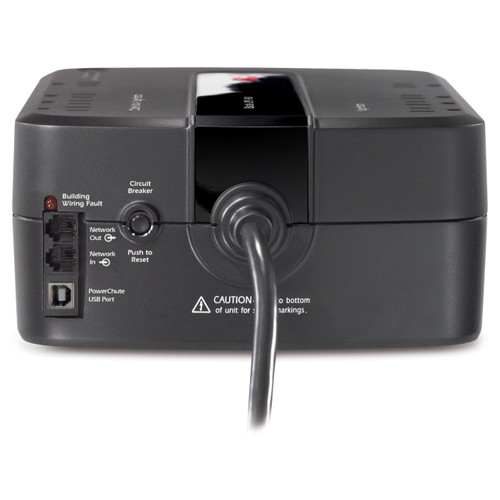
Product B (BE650G1) specifies 8 NEMA 5-15R AC outlets, 1 USB 2.0 port, and 1 Ethernet LAN (RJ-45) port. Product A (BE650G1-LM) documents USB connectivity but does not specify outlet quantity, outlet type designation, or the presence of an Ethernet/RJ-45 port in the provided specifications. The '-LM' suffix in Product A's SKU commonly denotes a limited-outlet or market-variant configuration — the spec sheet lists 4 outlets in the product title but does not formally spec them in the structured data provided. Buyers requiring a documented 8-outlet count or network surge port (RJ-45) will find that specification only in Product B's data as provided.
How do the physical dimensions, noise output, battery runtime recovery, and alarm features compare?
Product A (BE650G1-LM) provides a height dimension of 7.1 inches and documents a color of black; no weight, depth, or width figures are present in the provided specs. Product B (BE650G1) does not provide any physical dimension data in the supplied specifications. Product B documents a noise level of 45 dB, an audible alarm with a battery-replacement alarm mode, and a battery recharge time of 24 hours — none of these three parameters appear in Product A's spec sheet. Product A notes a Prop 65 warning (cancer and reproductive harm) and lists a 5-foot cord length, neither of which appears in Product B's data. Rack unit designation is listed as 0 for Product A, confirming tower/desktop form factor; Product B does not document this field.
Which should you choose: the BE650G1-LM or the BE650G1?
Our take: The BE650G1 is the stronger choice when documented electrical tolerance, outlet count, and connectivity options are the primary selection criteria. Product B specifies an input voltage operating range of 90V–140V and a 340J surge energy rating — neither figure is present in Product A's specs — giving installers concrete numbers for sites with variable utility power. Product B also documents 8 NEMA 5-15R outlets versus the 4 indicated (but not formally spec'd) for Product A, plus an RJ-45 port absent from Product A's data. Product A's advantage is narrowly documented: a 7.1-inch height dimension and a 5-foot cord length, neither of which Product B's specs address. The BE650G1-LM may suit deployments where a reduced outlet count and a Prop-65-compliant product disclosure are relevant, but any buyer needing to specify surge rating, input voltage range, alarm behavior, or recharge time will find those figures only in the BE650G1's specification set.
Side-by-Side Comparison
Spec-for-spec, from manufacturer data.
| Specification | APC by Schneider Electric BE650G1-LM | APC by Schneider Electric BE650G1 |
|---|---|---|
| VA Rating | 650 VA | 650 VA |
| Watt Rating | 390 W | 390 W |
| Output Voltage | 120 V | 120 V |
| Maximum Current | 12 A | 12 A |
| Input Voltage Range | — | 90 V – 140 V |
| Input Frequency | — | 50/60 Hz |
| Surge Energy Rating | — | 340 J |
| AC Outlets (qty) | 4 (title only, unconfirmed in specs) | 8 |
| AC Outlet Type | — | NEMA 5-15R |
| USB Port | Yes | 1 × USB 2.0 |
| Ethernet (RJ-45) Port | — | 1 |
| Battery Technology | Lead-acid | Sealed Lead Acid (VRLA) |
| Battery Recharge Time | — | 24 h |
| Audible Alarm | — | Yes (battery replacement) |
| Noise Level | — | 45 dB |
| Height / Cord Length | 7.1 in / 5 ft cord | — |
Frequently Asked Questions
Which should you choose: the BE650G1-LM or the BE650G1?
The BE650G1 is the stronger choice when documented electrical tolerance, outlet count, and connectivity options are the primary selection criteria. Product B specifies an input voltage operating range of 90V–140V and a 340J surge energy rating — neither figure is present in Product A's specs — giving installers concrete numbers for sites with variable utility power. Product B also documents 8 NEMA 5-15R outlets versus the 4 indicated (but not formally spec'd) for Product A, plus an RJ-45 port absent from Product A's data. Product A's advantage is narrowly documented: a 7.1-inch height dimension and a 5-foot cord length, neither of which Product B's specs address. The BE650G1-LM may suit deployments where a reduced outlet count and a Prop-65-compliant product disclosure are relevant, but any buyer needing to specify surge rating, input voltage range, alarm behavior, or recharge time will find those figures only in the BE650G1's specification set.
Does the BE650G1 or BE650G1-LM offer more protected outlets?
Based on the provided specifications, the BE650G1 documents 8 NEMA 5-15R AC outlets. The BE650G1-LM's product title references 4 outlets, but that count does not appear as a formal spec in the structured data supplied. If outlet quantity is a hard requirement, confirm the BE650G1-LM's outlet count against APC's full datasheet before specifying.
Which unit is better suited for locations with unstable or variable utility voltage?
The BE650G1 specifies an input operating voltage range of 90V–140V, which quantifies how far utility voltage can deviate before the UPS transfers to battery. No input voltage tolerance range is documented in the BE650G1-LM's provided specs, so that parameter cannot be compared from the data on hand.
Does either unit include network surge protection via an Ethernet port?
The BE650G1 lists 1 Ethernet LAN (RJ-45) port, indicating a network-line surge protection pass-through. The BE650G1-LM's provided specifications do not document an RJ-45 port. Buyers protecting networked equipment should verify whether the -LM variant includes this feature by consulting APC's full product documentation.
More UPS Comparisons
- APC by Schneider Electric BK650EI vs APC by Schneider Electric BE650G1
- APC by Schneider Electric BK650EI vs APC by Schneider Electric BR650MI
- APC by Schneider Electric BE650G1 vs APC by Schneider Electric BR650MI
- APC by Schneider Electric BE650G1-LM vs APC by Schneider Electric BK650EI
UPS Buying Guides
Get a Second Opinion on Your Camera Choice
Share your site layout, coverage goals, and budget. Our team will validate the camera selection, flag anything we would change, and recommend products that match the use case.