
Aiphone IX-MV7-HW-JP vs Axis I5304: Specification Comparison
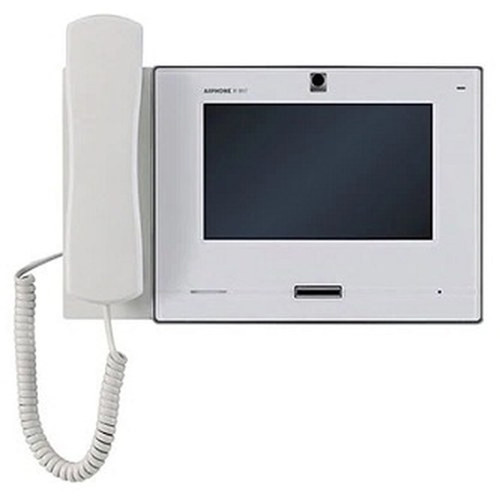
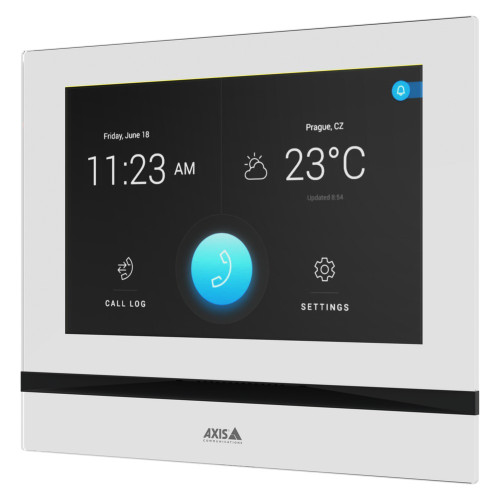
Both the Aiphone IX-MV7-HW-JP and the Axis I5304 are 7-inch indoor IP video/intercom master stations designed for reception desks, security posts, or lobby entry management. Each is PoE-powered, touch-enabled, and supports SIP for network interoperability. Buyers evaluating indoor answering or guard stations for a commercial intercom deployment will legitimately cross-shop these two units, making a direct specification comparison meaningful and appropriate.
In This Guide
- How do the display quality and audio capabilities compare between the IX-MV7-HW-JP and the I5304?
- What are the power requirements and system integration differences between the IX-MV7-HW-JP and the I5304?
- Which unit offers more installation flexibility, and how do the certifications and warranties compare?
- Which should you choose: the IX-MV7-HW-JP or the I5304?
- Side-by-Side Specs
- FAQ
How do the display quality and audio capabilities compare between the IX-MV7-HW-JP and the I5304?
Both units feature a 7-inch touchscreen, but the technologies differ. The Aiphone IX-MV7-HW-JP uses a TFT LCD touchscreen with a specified resolution of 800×400 pixels, giving buyers a clear picture of image fidelity expectations. The Axis I5304 uses a capacitive touch screen, which generally offers improved touch responsiveness and durability compared to resistive panels, but Axis does not publish a pixel resolution in the provided specifications.
On audio, the Aiphone IX-MV7-HW-JP supports full-duplex communication in both handset and hands-free modes, accommodating operator preference. It lists 'audio input' as a spec. The Axis I5304 specifies full-duplex two-way audio with echo cancellation — a concrete feature the Aiphone spec does not explicitly claim. For environments with background noise such as busy lobbies, echo cancellation is a meaningful differentiator. The Aiphone's dual-mode handset/hands-free operation adds flexibility the Axis spec does not address.
What are the power requirements and system integration differences between the IX-MV7-HW-JP and the I5304?
Both devices are powered via PoE IEEE 802.3af, so neither requires a separate power supply run. The Aiphone IX-MV7-HW-JP specifies a maximum draw of 4.32W, which is well within the 802.3af 15.4W budget and relevant for switch port planning on dense deployments. Axis does not publish a watt figure for the I5304 in the provided specifications.
Integration profiles diverge significantly by ecosystem. The Aiphone IX-MV7-HW-JP is built for the Aiphone IX Series IP intercom platform and declares compliance with ONVIF Profile S and SIP, broadening its reach beyond a closed system. It also carries TAA compliance, relevant for U.S. federal and government procurement. The Axis I5304 runs the 2N OS platform and is compatible with Axis IP intercoms, SIP-based VoIP systems, AXIS TI5201, AXIS TI5601, and AXIS TI5602. It does not list ONVIF or TAA compliance in the provided specs. Each unit is primarily optimized for its own vendor ecosystem.
Which unit offers more installation flexibility, and how do the certifications and warranties compare?
The Aiphone IX-MV7-HW-JP is specified for wall mount only, with published physical dimensions of 8-1/16" H × 11" W × 2-3/16" D, giving installers precise rough-in data. The Axis I5304 supports wall, recessed, and desk mount options — three installation configurations versus one — which provides meaningfully greater flexibility for varied architectural environments such as reception counters, concealed wall boxes, or free-standing desk installations. Axis does not publish physical dimensions in the provided specifications.
On certifications, the Aiphone IX-MV7-HW-JP lists UL 62368-1 and cUL 62368-1 safety approvals alongside TAA compliance. The Axis I5304 does not list safety certifications in the provided specifications. Warranty length is a clear differentiator: the Axis I5304 carries a 5-year warranty versus the Aiphone IX-MV7-HW-JP's 2-year warranty — a 3-year advantage that directly affects total cost of ownership projections and service contract planning.
Which should you choose: the IX-MV7-HW-JP or the I5304?
Our take: The I5304 is the stronger choice when installation flexibility, longer warranty coverage, and advanced audio quality are the primary decision drivers. The Axis I5304 offers three mounting configurations (wall, recessed, desk) versus the Aiphone's wall-only option, a 5-year warranty versus 2 years, and explicitly specifies echo cancellation for clearer audio in noisy environments. Conversely, the Aiphone IX-MV7-HW-JP is the better fit when TAA compliance is a procurement requirement, when the deployment runs on the Aiphone IX platform, or when precise power budgeting matters — its 4.32W draw is documented while Axis provides no wattage figure. The Aiphone also publishes a known display resolution (800×400) and UL/cUL safety certifications absent from the Axis spec sheet. Platform lock-in is the ultimate qualifier: buyers already invested in Aiphone IX infrastructure or needing TAA compliance should select the IX-MV7-HW-JP; those on Axis or 2N ecosystems, or requiring mounting versatility, should select the I5304.
Side-by-Side Comparison
Spec-for-spec, from manufacturer data.
| Specification | Aiphone IX-MV7-HW-JP | Axis I5304 |
|---|---|---|
| Product Class | IP Video Master Station | Network Answering Unit |
| Display Size | 7 inch | 7 inch |
| Display Type | TFT LCD touchscreen | Capacitive touch screen |
| Display Resolution | 800×400 pixels | — |
| Audio Mode | Full-duplex handset or hands-free | Full-duplex two-way |
| Echo Cancellation | — | Yes |
| Power Standard | PoE IEEE 802.3af class 0 | PoE IEEE 802.3af |
| Max Power Draw | 4.32W | — |
| Video Compression | H.264 / MJPEG | — |
| Camera Sensor | 1/3" CMOS 720p | — |
| Mounting Options | Wall | Wall, recessed, desk |
| Physical Dimensions | 8-1/16" H × 11" W × 2-3/16" D | — |
| Operating System | — | Axis 2N OS |
| Compatibility / Ecosystem | Aiphone IX Series, ONVIF Profile S, SIP | Axis IP intercoms, SIP, AXIS TI5201/TI5601/TI5602 |
| TAA Compliance | Yes | — |
| Safety Certifications | UL 62368-1, cUL 62368-1 | — |
| Warranty | 2 years | 5 years |
Frequently Asked Questions
Which should you choose: the IX-MV7-HW-JP or the I5304?
The I5304 is the stronger choice when installation flexibility, longer warranty coverage, and advanced audio quality are the primary decision drivers. The Axis I5304 offers three mounting configurations (wall, recessed, desk) versus the Aiphone's wall-only option, a 5-year warranty versus 2 years, and explicitly specifies echo cancellation for clearer audio in noisy environments. Conversely, the Aiphone IX-MV7-HW-JP is the better fit when TAA compliance is a procurement requirement, when the deployment runs on the Aiphone IX platform, or when precise power budgeting matters — its 4.32W draw is documented while Axis provides no wattage figure. The Aiphone also publishes a known display resolution (800×400) and UL/cUL safety certifications absent from the Axis spec sheet. Platform lock-in is the ultimate qualifier: buyers already invested in Aiphone IX infrastructure or needing TAA compliance should select the IX-MV7-HW-JP; those on Axis or 2N ecosystems, or requiring mounting versatility, should select the I5304.
Is the Aiphone IX-MV7-HW-JP or the Axis I5304 better for a U.S. government or federally funded installation?
The Aiphone IX-MV7-HW-JP is the only one of the two that lists TAA compliance in its specifications. The Axis I5304 does not include TAA compliance in the provided spec data. For federal, DoD, or GSA-schedule projects with TAA requirements, the IX-MV7-HW-JP is the documented choice based on available specs.
Which unit is easier to install in different desk or wall configurations?
The Axis I5304 specifies wall, recessed, and desk mount compatibility — three options. The Aiphone IX-MV7-HW-JP specifies wall mount only, with published dimensions of 8-1/16" H × 11" W × 2-3/16" D. If the installation requires a flush-recessed or countertop desk configuration, only the I5304 is documented to support those options.
Which unit will cost less to support over a five-year period based on warranty alone?
The Axis I5304 carries a 5-year warranty versus the Aiphone IX-MV7-HW-JP's 2-year warranty. All else equal, a buyer planning a 5-year service horizon would face potential out-of-warranty repair or replacement costs for the Aiphone during years 3 through 5 that the Axis warranty would cover. No extended-warranty pricing data is included in the provided specifications for either unit.
More Intercom Comparisons
- Aiphone IX-MV7-HB vs Code Blue SLNP0029
- Aiphone IX-MV7-HB vs Axis I5304
- Aiphone IX-MV7-HB vs Aiphone IX-MV7-B
- Aiphone IX-MV7-HB vs Aiphone IXG-MK
- Code Blue SLNP0029 vs Aiphone IX-MV7-B
- Code Blue SLNP0029 vs Aiphone IXG-MK
Intercom Buying Guides
Get a Second Opinion on Your Camera Choice
Share your site layout, coverage goals, and budget. Our team will validate the camera selection, flag anything we would change, and recommend products that match the use case.