
ACTi KCM-5611 vs ACTi Q22-K1: Specification Comparison
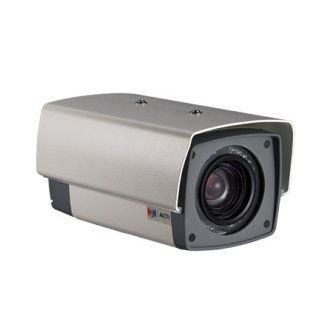
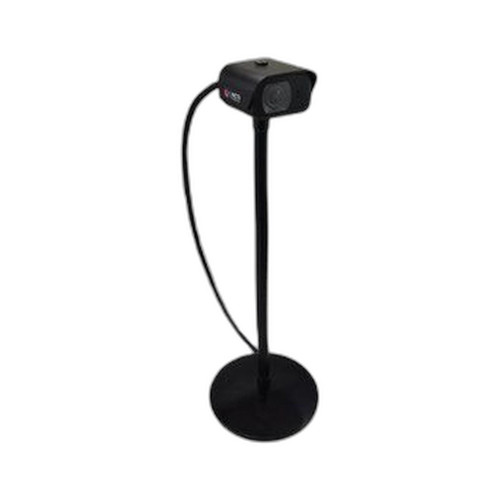
Both the ACTi KCM-5611 and ACTi Q22-K1 are 2MP IP cameras from the same manufacturer, targeted at outdoor surveillance deployments and powered via PoE. The KCM-5611 is a full-size box camera with a long-range motorized zoom lens and IR night vision, while the Q22-K1 is a compact micro box camera with a fixed lens, WDR, and a built-in microphone. This comparison helps installers and IT buyers weigh optical versatility and low-light capability against form-factor minimalism and audio integration.
In This Guide
How do the imaging specs compare?
Both cameras deliver 2MP (1920×1080) resolution at 30 fps. The KCM-5611 is equipped with a motorized varifocal lens spanning 4.7–84.6 mm, providing an 18× optical zoom range suitable for standoff distances of roughly 15–30 m without requiring a site revisit to adjust. It also includes IR illumination for active night vision and a Day/Night ICR mechanism for low-light operation. Minimum illumination figures are not provided in the supplied specs for either model.
The Q22-K1 uses a fixed lens — the specific focal length is not specified in the provided data. It does not list IR illumination or a Day/Night ICR filter, but it does include Wide Dynamic Range (WDR), which improves performance in high-contrast and backlit scenes such as entrances with bright exterior light. Neither model lists a minimum illumination value or image sensor size in the provided specifications, so a direct low-light sensitivity comparison cannot be made from available data.
What about installation and environment?
The KCM-5611 carries an IP66 ingress protection rating, confirming resistance to dust ingress and high-pressure water jets — appropriate for outdoor perimeter, loading dock, and washdown environments. It is powered via PoE 802.3af (Class 3 maximum, though exact PoE class is not stated beyond the 802.3af standard). Mounting options include wall and ceiling. Operating temperature range is not provided in the supplied specifications.
The Q22-K1 is described as an outdoor micro box camera and lists PoE as its power source, but neither the specific PoE standard (802.3af vs. 802.3at) nor an IP ingress protection rating is specified in the provided data. Its compact micro box form factor and support for wall, ceiling, and pole mounting offer one additional mounting option over the KCM-5611. IK impact rating and operating temperature are not provided for either model.
Which fits your VMS and analytics better?
The KCM-5611 declares ONVIF Profile S compliance, which is the profile governing video streaming and PTZ control interoperability. This provides a defined, auditable integration baseline with Profile S-compatible VMS platforms. Video compression is H.264 and MJPEG. No edge analytics, audio input/output, or on-board storage capabilities are listed in the provided specifications for this model.
The Q22-K1 lists ONVIF support without specifying a named profile (e.g., Profile S or Profile T), which leaves the exact interoperability scope undefined from the provided data. A notable differentiator is the built-in microphone, enabling audio capture and audio-triggered event rules within compatible VMS platforms without additional hardware. Compression formats, edge analytics, and on-board storage are not specified in the provided data for the Q22-K1.
Which should you choose: the KCM-5611 or the Q22-K1?
Our take: The KCM-5611 is the stronger choice when optical reach, active IR night vision, and a confirmed ONVIF Profile S integration baseline are the primary requirements. Its 4.7–84.6 mm motorized zoom (18× optical) enables remote focal adjustment across 15–30 m standoff distances — a capability the Q22-K1's fixed lens cannot match. The KCM-5611 also carries a verified IP66 rating and IR illumination, both absent from the Q22-K1's provided specifications. Conversely, the Q22-K1 is the better fit where a discreet micro box form factor, WDR-driven performance in high-contrast backlit scenes, native audio capture via its built-in microphone, or pole-mount flexibility are the deciding factors. Buyers should request the Q22-K1 datasheet to confirm its IP rating and PoE standard before committing to outdoor or multi-switch deployments.
Side-by-Side Comparison
Spec-for-spec, from manufacturer data.
| Specification | ACTi KCM-5611 | ACTi Q22-K1 |
|---|---|---|
| Resolution | 2 MP (1920×1080) | 2 MP |
| Form Factor | Box | Micro Box |
| Lens Type | Motorized varifocal | Fixed |
| Focal Length | 4.7–84.6 mm (18× optical zoom) | Not specified |
| IR / Night Vision | IR; Day/Night ICR | — |
| WDR | — | WDR |
| Min. Illumination | Not specified | Not specified |
| Max Frame Rate | 30 fps | Not specified |
| Video Compression | H.264; MJPEG | Not specified |
| IP Rating | IP66 | Not specified |
| IK Rating | Not specified | Not specified |
| Power Input | PoE 802.3af | PoE (standard not specified) |
| Operating Temperature | Not specified | Not specified |
| Audio | — | Built-in microphone |
| Mount Options | Wall; Ceiling | Wall; Ceiling; Pole |
| VMS / ONVIF | ONVIF Profile S | ONVIF (profile not specified) |
| Edge Storage | Not specified | Not specified |
| Connectivity | Ethernet (PoE) | PoE |
Frequently Asked Questions
Which should you choose: the KCM-5611 or the Q22-K1?
The KCM-5611 is the stronger choice when optical reach, active IR night vision, and a confirmed ONVIF Profile S integration baseline are the primary requirements. Its 4.7–84.6 mm motorized zoom (18× optical) enables remote focal adjustment across 15–30 m standoff distances — a capability the Q22-K1's fixed lens cannot match. The KCM-5611 also carries a verified IP66 rating and IR illumination, both absent from the Q22-K1's provided specifications. Conversely, the Q22-K1 is the better fit where a discreet micro box form factor, WDR-driven performance in high-contrast backlit scenes, native audio capture via its built-in microphone, or pole-mount flexibility are the deciding factors. Buyers should request the Q22-K1 datasheet to confirm its IP rating and PoE standard before committing to outdoor or multi-switch deployments.
Is the KCM-5611 or Q22-K1 better for low-light and night surveillance?
The KCM-5611 includes IR illumination and a Day/Night ICR filter, making it the specified choice for active night vision. The Q22-K1 does not list IR or a Day/Night mechanism in the provided specifications; it offers WDR for high-contrast scenes but has no documented low-light or IR capability based on available data.
Which camera is easier to install on an existing PoE switch?
Both cameras are PoE-powered. The KCM-5611 specifies PoE 802.3af, so any 802.3af-capable switch port is confirmed compatible. The Q22-K1 lists PoE but does not specify the standard (802.3af or 802.3at) in the provided data, so installers should verify the PoE class requirement against switch port budgets before deployment.
Does either camera support audio recording without adding a separate microphone?
Only the Q22-K1 includes a built-in microphone according to the provided specifications, enabling audio capture and audio-based event rules in a compatible VMS without additional hardware. The KCM-5611 does not list any audio input or output capability in the provided data.
Get a Second Opinion on Your Camera Choice
Share your site layout, coverage goals, and budget. Our team will validate the camera selection, flag anything we would change, and recommend products that match the use case.