
i-PRO S1136A vs i-PRO S71300A-F3: Specification Comparison
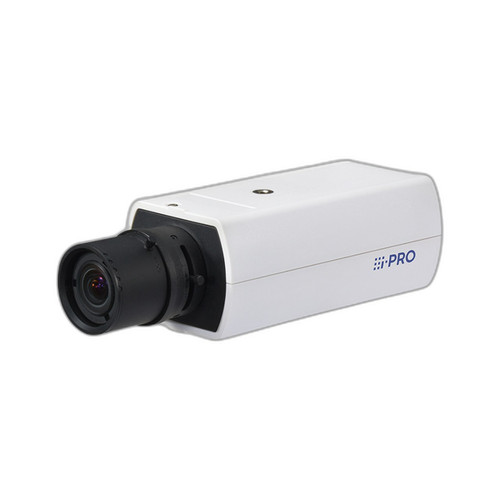
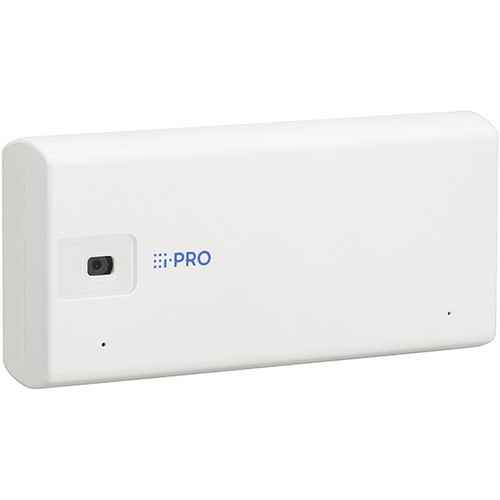
Both the i-PRO WV-S1136A and WV-S71300A-F3 are wired, indoor, fixed 2MP (1920×1080) IP box cameras from i-PRO, sharing the same sensor size and general resolution class. A buyer evaluating either for an indoor fixed-camera deployment would reasonably cross-shop these two. Key differentiators span frame rate, low-light sensitivity, WDR capability, SoC generation, IP rating, power budget, and the depth of on-camera AI analytics — each of which affects suitability for specific installation environments and VMS integrations.
In This Guide
How do the imaging specs compare?
Both cameras use an approx. 1/2.8-inch CMOS sensor with the same 5.57 mm (H) × 3.13 mm (V) scanning area. The S1136A delivers up to 60 fps at 1920×1080, while the S71300A-F3 is rated at 30 fps maximum. Low-light performance differs substantially: the S1136A specifies minimum illumination of 0.006 lx color (30IRE, F1.2, 1/30s) and 0.004 lx B/W (50IRE, F1.2, 1/30s), with a switchable ICR supporting Auto1/Auto2/Auto3 modes. The S71300A-F3 lists a single minimum illumination figure of 0.2 lux with ICR in Auto/Off only — no color/B/W split values are provided in the supplied specs.
Wide dynamic range is a clear differentiator: the S1136A specifies Super Dynamic WDR up to 144 dB (configurable 0–31 levels), while the S71300A-F3 has no WDR specification in the provided data. The S1136A runs on an Ambarella CV25M SoC; the S71300A-F3 uses the older Ambarella CV22. The S71300A-F3 includes a fixed 3.2 mm F2.0 lens with an 81.1° (H) field of view and provides DORI distance ratings (Detect 44.9 m, Observe 18.0 m, Recognize 9.0 m, Identify 4.5 m); the S1136A spec does not include a fixed focal length, aperture, or DORI figures in the provided data, as it is a box camera designed for interchangeable lenses.
What about installation and environment?
The S1136A carries no IP ingress-protection rating per the supplied specs, making it suitable for controlled indoor environments only. The S71300A-F3 is rated IP44 (IEC 60529), offering protection against solid objects >1 mm and water splashing from any direction — a meaningful advantage for semi-protected indoor locations. Neither model specifies an IK impact rating in the provided data. Operating temperature for the S1136A is −10 °C to +50 °C (14 °F to 122 °F); the S71300A-F3 is narrower at −10 °C to +40 °C (14 °F to 104 °F). Both are PoE-powered: the S1136A is PoE 802.3af Class 2 (max 7 W), while the S71300A-F3 is PoE Class 0 (approximately 12 W typical per provided specs). The S1136A also supports 12V DC auxiliary power; no DC input is specified for the S71300A-F3.
The S1136A has external dimensions of 75 mm (W) × 57 mm (H) × 146 mm (D) and weighs approximately 370 g. The S71300A-F3 weighs approximately 157 g (excluding base/cover); body dimensions are not listed in the provided specs. The S71300A-F3 is described as a mini box form factor. Both carry a stated 5-year warranty. The S1136A includes a composite video monitor output (1.0 V, 75 Ω) for lens adjustment; no equivalent is specified for the S71300A-F3.
Which fits your VMS and analytics better?
Both cameras support ONVIF compatibility and H.265/H.264/MJPEG compression, and both support microSD edge storage (up to 512 GB on the S1136A; capacity not specified for the S71300A-F3 in the provided data). The S1136A explicitly lists ONVIF Profiles G, M, S, and T; the S71300A-F3 notes ONVIF compatibility without specifying profile letters in the provided specs. Both support up to 14 simultaneous users. The S1136A supports IPv4 and IPv6 with protocols including RTSP, SRTP, MQTT, SFTP, DDNS, and UPnP; the S71300A-F3 network protocol detail is not listed in the provided specs beyond basic security (HTTPS, user/host auth).
AI analytics coverage differs in documented detail. The S1136A lists AI Video Motion Detection, Face Detection, People Detection, Vehicle Detection, Non-Mask Detection, Occupancy Detection, and Scene Change Detection — plus AI Sound Classification (Gunshot, Yell, Vehicle Horn, Glass Break). The S71300A-F3 states 'AI analytics with 8 detection types' and lists the same four AI Sound Classification events; specific detection type names beyond facial recognition are not enumerated in the provided specs. Audio hardware also differs: the S1136A uses external 3.5 mm stereo mini jacks (line input and output), while the S71300A-F3 features dual built-in omnidirectional electret condenser microphones with no external audio output specified. The S1136A specifies FIPS 140-2 Level 3 and signed firmware; the S71300A-F3 specifies signed firmware and HTTPS but FIPS 140-2 is not listed in the provided specs.
Which should you choose: the S1136A or the S71300A-F3?
Our take: The S1136A is the stronger choice when frame rate, low-light sensitivity, and wide dynamic range are primary requirements. Concretely: it delivers 60 fps versus the S71300A-F3's 30 fps; minimum illumination is 0.006 lx color versus 0.2 lux (a ~33× sensitivity advantage per provided specs); and it offers 144 dB Super Dynamic WDR where the S71300A-F3 lists no WDR figure at all. It also adds FIPS 140-2 Level 3 cybersecurity certification, broader documented ONVIF profile support (G/M/S/T), and a wider operating temperature ceiling (+50 °C vs +40 °C). The S71300A-F3 is the better fit where a compact, lighter form factor (157 g vs 370 g), an integrated fixed lens (3.2 mm F2.0, 81.1° HFOV with published DORI distances), dual built-in microphones, and IP44 splash protection matter more than peak imaging performance — for example, a discreet indoor counter or lobby deployment where environmental ingress is a concern.
Side-by-Side Comparison
Spec-for-spec, from manufacturer data.
| Specification | i-PRO S1136A | i-PRO S71300A-F3 |
|---|---|---|
| Resolution | 2MP (1920×1080) | 2MP (1920×1080) |
| Image Sensor | 1/2.8-inch CMOS | 1/2.8-inch CMOS |
| Lens / Focal Length | Not specified (interchangeable lens body) | 3.2 mm fixed, F2.0 |
| Horizontal Field of View | — | 81.1° |
| Min Illumination (Color) | 0.006 lx (30IRE, F1.2, 1/30s) | 0.2 lux (single figure; color/B&W split not specified) |
| Min Illumination (B/W) | 0.004 lx (50IRE, F1.2, 1/30s) | — |
| WDR | 144 dB Super Dynamic (levels 0–31) | Not specified |
| Max Frame Rate | 60 fps @ 1920×1080 | 30 fps |
| System on Chip | Ambarella CV25M | Ambarella CV22 |
| Video Compression | H.265, H.264, MJPEG | H.265, H.264, MJPEG |
| IP Rating | Not specified | IP44 (IEC 60529) |
| Operating Temperature | -10 °C to +50 °C (14 °F to 122 °F) | -10 °C to +40 °C (14 °F to 104 °F) |
| Power Input / PoE Class | PoE 802.3af Class 2 (max 7 W); 12V DC | PoE Class 0 (~12 W typical); DC input not specified |
| Edge Storage | microSD 2–512 GB | microSD (capacity not specified in provided specs) |
| Audio | 3.5 mm stereo mini jack in/out (external) | Dual built-in omnidirectional electret condenser mics; no output specified |
| ONVIF Profiles | G, M, S, T | ONVIF compatible (profiles not enumerated in provided specs) |
| Cybersecurity | FIPS 140-2 Level 3, signed firmware, HTTPS, secure boot | Signed firmware, HTTPS; FIPS 140-2 not listed in provided specs |
| Weight | Approx. 370 g | Approx. 157 g (excluding base/cover) |
| Dimensions | 75 mm (W) × 57 mm (H) × 146 mm (D) | Not specified in provided specs |
| Warranty | 5-Year | 5-Year |
Frequently Asked Questions
Which should you choose: the S1136A or the S71300A-F3?
The S1136A is the stronger choice when frame rate, low-light sensitivity, and wide dynamic range are primary requirements. Concretely: it delivers 60 fps versus the S71300A-F3's 30 fps; minimum illumination is 0.006 lx color versus 0.2 lux (a ~33× sensitivity advantage per provided specs); and it offers 144 dB Super Dynamic WDR where the S71300A-F3 lists no WDR figure at all. It also adds FIPS 140-2 Level 3 cybersecurity certification, broader documented ONVIF profile support (G/M/S/T), and a wider operating temperature ceiling (+50 °C vs +40 °C). The S71300A-F3 is the better fit where a compact, lighter form factor (157 g vs 370 g), an integrated fixed lens (3.2 mm F2.0, 81.1° HFOV with published DORI distances), dual built-in microphones, and IP44 splash protection matter more than peak imaging performance — for example, a discreet indoor counter or lobby deployment where environmental ingress is a concern.
Is the S1136A or S71300A-F3 better for low-light performance?
Based on the provided specifications, the S1136A is significantly more sensitive: it lists minimum illumination of 0.006 lx color and 0.004 lx B/W, versus a single 0.2 lux figure for the S71300A-F3 — approximately a 33× difference in rated sensitivity. The S1136A also supports multiple ICR auto modes (Auto1, Auto2 for IR light, Auto3 for SCC), while the S71300A-F3 lists Auto/Off only.
Can the S71300A-F3 be used in a location where it might get splashed with water?
The S71300A-F3 carries an IP44 rating (IEC 60529), which means it is protected against solid objects larger than 1 mm and water splashing from any direction. The S1136A has no IP ingress-protection rating listed in the provided specifications, so the S71300A-F3 is the appropriate choice where any degree of moisture exposure is anticipated.
Do both cameras support the same ONVIF profiles for VMS integration?
The S1136A explicitly lists ONVIF Profiles G, M, S, and T in its specifications. The S71300A-F3 is listed as ONVIF compatible, but the specific profile letters supported are not enumerated in the provided specs. Buyers should verify S71300A-F3 profile support directly with i-PRO or their VMS vendor before assuming full profile parity.
Get a Second Opinion on Your Camera Choice
Share your site layout, coverage goals, and budget. Our team will validate the camera selection, flag anything we would change, and recommend products that match the use case.