
Showing Results for Ceiling & Hanging Mounts & Brackets
-
Save $37.01
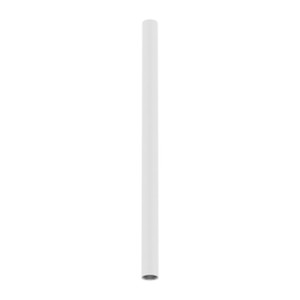
Hanwha SBP-900CMP 900mm Ceiling Mount Pipe
900mm aluminum ceiling pipe for elevated camera positioning
- 900mm length reaches above drop ceilings and suspended obstacles
In stock · Ships same business day Free shipping over $499$105.00 $67.99 Save $37.01 -
Save $62.01
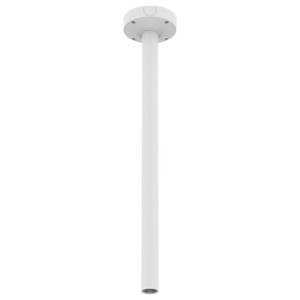
Hanwha SBP-900CMW 900mm Pendant Ceiling Mount
900mm aluminum pendant mount for discrete ceiling camera placement
- 900mm extension clears obstructions and positions cameras at optimal angles
- White aluminum (RAL9003) blends into drop ceilings and standard installations
- TR30 screw thread connects to Hanwha hanging adaptors; M25 conduit opening
In stock · Ships same business day Free shipping over $499$220.00 $157.99 Save $62.01 -
Save $30.01
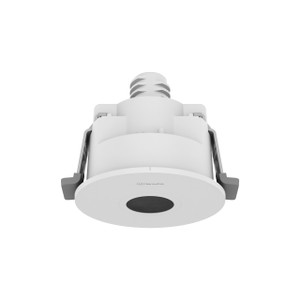
Hanwha SHD-1000F1 In-Ceiling Mount
N in-ceiling mounting bracket engineered for flush, recessed installation of Hanwha's compact fixed-dome camera line
- In-ceiling mount for 2x2 or 2x4 drop-ceiling tile install
- Flush recessed mount blends with office and retail ceiling
- PoE 802.3af compatible for camera + accessory power
Usually Ships in 2-3 Weeks Free shipping over $499$85.00 $54.99 Save $30.01 -
Save $37.01

Hanwha SHD-1100FPW Plenum In-Ceiling Mount
Plenum-rated flush ceiling mount for Hanwha 5MP domes
- Fits 10–70 mm suspended ceiling tiles with 1.5 kg load capacity
- Polycarbonate and aluminum construction in RAL 9003 white finish
- Compatible with QND-C8013R and QND-C8023R dome cameras
In stock · Ships same business day Free shipping over $499$105.00 $67.99 Save $37.01 -
Save $28.01
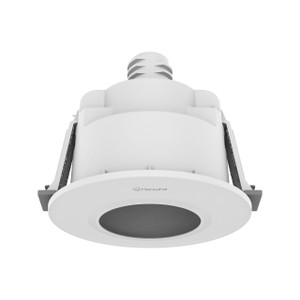
Hanwha SHD-1100FW In-Ceiling Mount
Flush in-ceiling mount for Hanwha mini dome cameras, 10–60mm tiles
- Polycarbonate white housing integrates seamlessly into suspended ceilings
- Compatible with QNV-C8011R, QNV-C8012, QNV-C9011R mini vandal domes
- Supports 0.6kg camera load with 3kg maximum ceiling board capacity
Usually Ships in 2-3 Weeks Free shipping over $499$80.00 $51.99 Save $28.01 -
Save $28.01
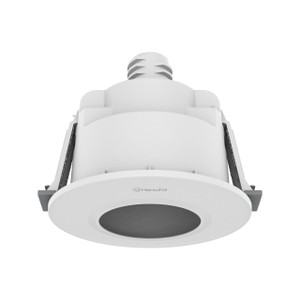
Hanwha SHD-1101FW In-Ceiling Mount
Flush in-ceiling mount for Hanwha dome cameras, supports 10–60 mm ceilings
- Compatible with QND-C8013R and QND-C8023R dome cameras
- White polycarbonate construction fits standard drywall and suspended ceilings
- Ø140 mm ceiling hole with 0.6 kg camera load capacity
Usually Ships in 2-3 Weeks Free shipping over $499$80.00 $51.99 Save $28.01 -
Save $28.01

Hanwha SHD-1198FW Ceiling Flush Mount
White ceiling flush mount for 9 Hanwha HCD and QND cameras
- Low-profile polycarbonate design sits flush with ceiling surface
- Compatible with HCD-7070R, HCD-6080R, QND-6070R, QND-7080R, and 5 others
- Complete mounting hardware included for straightforward installation
In stock · Ships same business day Free shipping over $499$80.00 $51.99 Save $28.01 -
Save $23.01
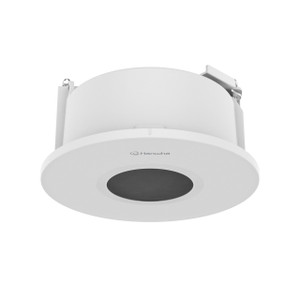
Hanwha SHD-1200FPW Plenum Flush Mount
Flush-mount ceiling bracket for Hanwha turrets, ø160mm opening
- Aluminum body with white powder coat fits drop ceilings 10–70mm thick
- Compatible with QNV-C8011R, QNV-C9011R, and QNV-C8012 cameras
- M20 and M25 conduit options for flexible wiring configurations
In stock · Ships same business day Free shipping over $499$80.00 $56.99 Save $23.01 -
Save $37.01

Hanwha SHD-1201FPW Plenum In-Ceiling Mount
Plenum-rated flush in-ceiling mount for drop-ceiling camera installations
- Fits tile thickness 10–70 mm with 2 kg camera load capacity
- Dual conduit holes (½" M20 and ¾" M25) for flexible cable routing
- Compatible with QNV-C8013R and QNV-C8023R vandal dome cameras
Usually Ships in 2-3 Weeks Free shipping over $499$105.00 $67.99 Save $37.01 -
Save $33.01

Hanwha SHD-1350FPW Ceiling Flush Mount
Ceiling flush mount for Hanwha X, Q, P series cameras with white aluminum finish
- Recesses into ceiling plane for clean, integrated appearance in retail and office spaces
- Aluminum alloy construction rated -40°C to 50°C for indoor temperature stability
- Compact 185.7 × 58.4 mm profile weighs 0.5 kg with white finish for standard ceilings
Usually Ships in 2-3 Weeks Free shipping over $499$135.00 $101.99 Save $33.01 -
Save $48.01

Hanwha SHD-1372FPW Plenum In-ceiling Mount
Plenum-rated in-ceiling mounting bracket engineered for secure, code-compliant installation of Hanwha network cameras in drop-ceiling environments
Usually Ships in 2-3 Weeks Free shipping over $499$135.00 $86.99 Save $48.01 -
Save $33.01

Hanwha SHD-1400FPW Plenum Flush Mount White
Plenum flush mount for Hanwha dome cameras in drop ceilings
- Aluminum construction with RAL9003 white finish, plenum-rated for HVAC spaces
- Compact ø202.3mm profile fits standard ceiling holes, minimal visual footprint
- Supports up to 2kg camera load on tile ceilings 10–70mm thick
Usually Ships in 2-3 Weeks Free shipping over $499$135.00 $101.99 Save $33.01 -
Save $20.01

Hanwha SHD-1400FW Flush Mount Ceiling Bracket
Flush ceiling bracket for discrete dome camera install in drop-tile spaces
- Mounts flush with ceiling surface—no visible hardware or cable protrusion below tile
- Supports up to 2kg load; fits 10–70mm tile thickness with ø185mm cutout
- Polycarbonate construction in white (RAL9003) for retail, corporate, and healthcare
Usually Ships in 2-3 Weeks Free shipping over $499$80.00 $59.99 Save $20.01 -
Save $24.01
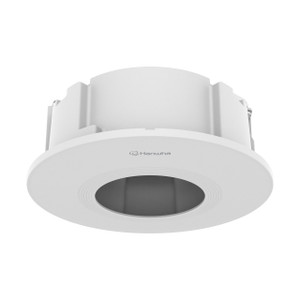
Hanwha SHD-1600FW In-Ceiling Mount for Fixed Dome Cameras
Flush in-ceiling mount for Hanwha fixed domes, 232mm aluminum design
- Aluminum construction with white finish blends into drop ceilings
- Compact 232mm diameter footprint sits level with ceiling plane
- Lightweight 560g form factor simplifies installation on ceiling grid
Usually Ships in 2-3 Weeks Free shipping over $499$68.00 $43.99 Save $24.01 -
Save $63.01
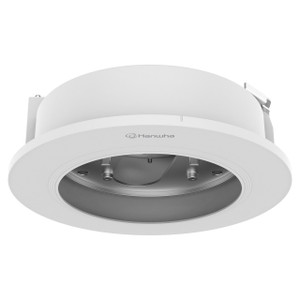
Hanwha SHD-2000FPW Flush Mount White
Plenum-rated flush-mount for discreet in-ceiling camera installation
- Aluminum enclosure with polycarbonate cover fits 10–70mm ceiling tiles
- Supports 3.5kg camera load; rated for 6.5kg ceiling board capacity
- Compatible with Hanwha PNM-C16013RVQ; white finish (RAL9003)
In stock · Ships same business day Free shipping over $499$180.00 $116.99 Save $63.01 -
Save $72.01

Hanwha SHD-2500FPW Plenum Flush Mount White
Plenum flush mount for drop-ceiling camera installations, white aluminum
- Fits standard ceiling tiles 10–70mm thick without modification to existing infrastructure
- Supports up to 5kg camera load with aluminum body and polycarbonate trim ring
- TR20 threaded screw attachment for secure, tamper-resistant mounting
In stock · Ships same business day Free shipping over $499$260.00 $187.99 Save $72.01 -
Save $91.01

Hanwha SHD-2501FPW Plenum In-ceiling Mount
Plenum-rated in-ceiling mount for PNM-C19183RVTP cameras
- Fits drop ceilings 10–70mm thick with ø352mm footprint
- Dual M25/M20 conduit holes for flexible network and power routing
- Supports up to 5kg camera load; polycarbonate/aluminum construction
Usually Ships in 2-3 Weeks Free shipping over $499$260.00 $168.99 Save $91.01 -
Save $72.01
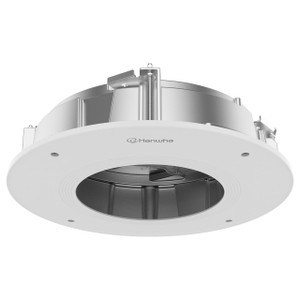
Hanwha SHD-2510FPW In-Ceiling Flush Mount
In-ceiling flush mount for Hanwha cameras, IP66-rated for indoor/outdoor
- Aluminum alloy construction rated IP66 for weather and moisture protection
- Compatible with Hanwha X, Q, P, and Wisenet series IP cameras
- Operates -40°C to 60°C; white finish blends into standard ceilings
In stock · Ships same business day Free shipping over $499$260.00 $187.99 Save $72.01 -
Save $20.01
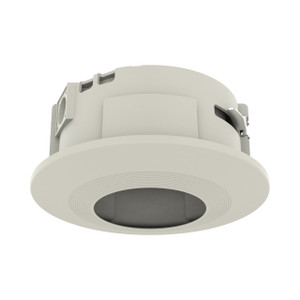
Hanwha SHD-3000F4 In-Ceiling Flush Mount
In-ceiling flush mount for discreet Hanwha camera integration
- Polycarbonate housing resists UV and temperature warping in drop ceilings
- Neutral white finish blends with standard 12-inch ceiling tile grids
- Fits 4 Hanwha models; 5.29 lbs for single-person ceiling installation
Usually Ships in 2-3 Weeks Free shipping over $499$80.00 $59.99 Save $20.01 -
Save $93.01
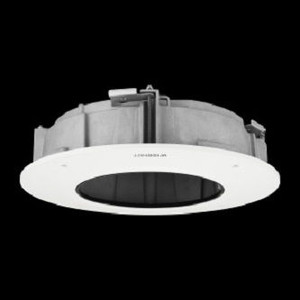
Hanwha SHD-3000F5 In-Ceiling Plenum Flush Mount
Plenum-rated in-ceiling flush mount for PNM-9000VQ surveillance
- Plenum-rated polycarbonate construction meets air-handling space codes
- Flush-mount design minimizes ceiling intrusion with white finish
- Compact 11.81" × 11.81" footprint fits standard drop-ceiling grids
Usually Ships in 2-3 Weeks Free shipping over $499$265.00 $171.99 Save $93.01 -
Save $96.01
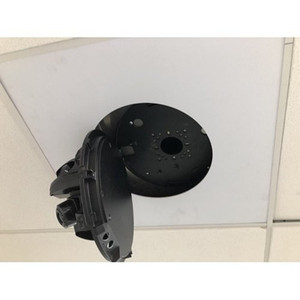
Hanwha SHD-315F 2x2 Drop Ceiling Tile Flush Mount
2x2 drop ceiling flush mount for discreet Hanwha camera integration
- Sits flush with ceiling plane—no brackets or protrusions to distract
- Fits standard commercial ceiling grids; no drilling or structural mods
- Compatible with PNM-9084RQZ and PNM-9085RQZ compact cameras
In stock · Ships same business day Free shipping over $499$340.00 $243.99 Save $96.01 -
Save $47.01

Hanwha SHD-400F In-Ceiling Flush Mount for SNV-6013
Flush-mount ceiling bracket for Hanwha SNV-6013 camera
- In-ceiling flush design minimizes visual profile in office and retail spaces
- Aluminum construction at 2.20 lbs fits standard ceiling cavities without protrusion
- Engineered specifically for SNV-6013 compatibility and straightforward installation
Usually Ships in 2-3 Weeks Free shipping over $499$125.00 $77.99 Save $47.01 -
Save $20.01

Hanwha SHF-1500F In-Ceiling Flush Mount
In-ceiling flush mount for Hanwha XNF-8010 and PNF-9010 domes
- Flush mount design minimizes visual impact in retail, office, and hospitality
- Compatible with six Hanwha dome models across XNF-8010 and PNF-9010 lines
- Neutral color finish and polycarbonate construction blend into standard ceilings
Usually Ships in 2-3 Weeks Free shipping over $499$80.00 $59.99 Save $20.01 -
Save $42.01
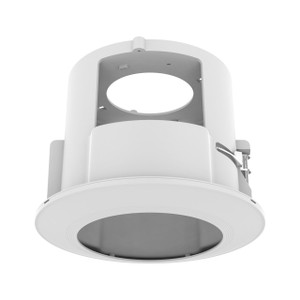
Hanwha SHP-1520FW In-Ceiling Flush Mount
Flush-mount dome housing for QNP-6250/6320 cameras in suspended ceilings
- Ø212.1 mm recessed design fits standard 8-inch ceiling cutouts without custom framing
- Polycarbonate white construction resists humidity and blends into office/retail environments
- 164.5 mm depth accommodates typical plenum space; 450g weight for single-person installation
In stock · Ships same business day Free shipping over $499$120.00 $77.99 Save $42.01 -
Save $42.01

Hanwha SHP-1563FW In-Ceiling Flush Mount for PTZ Cameras
In-ceiling flush mount for Hanwha PTZ cameras with low-profile fit
- Recessed aluminum design minimizes ceiling protrusion in drop-tile installations
- White finish blends with standard commercial ceilings and modern office interiors
- Compact 268mm diameter footprint fits standard ceiling openings without modification
In stock · Ships same business day Free shipping over $499$120.00 $77.99 Save $42.01 -
Save $28.01
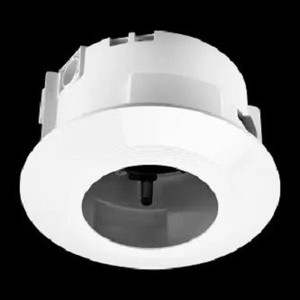
Hanwha SHP-1680FW Ceiling Flush Mount
Ceiling flush mount for discreet Hanwha camera integration in drop-tile
- Polycarbonate housing sits nearly flush with ceiling to blend with white drop-tile
- Compatible with five Hanwha models: XNP-6120H, XNV-6085, XNV-6120, XNV-6120R, XND-6085V
- Lightweight, corrosion-resistant design holds camera position without vibration or drift
Usually Ships in 2-3 Weeks Free shipping over $499$80.00 $51.99 Save $28.01 -
Save $67.01
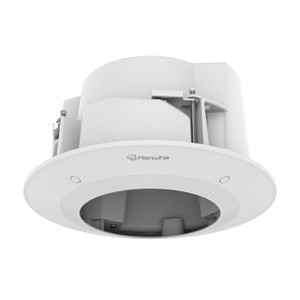
Hanwha SHP-1730FPW Plenum In-Ceiling Mount
Plenum-rated flush in-ceiling mount for Hanwha 31x PTZ cameras
- Supports 7 kg camera load with 15 kg ceiling board capacity
- White aluminum enclosure fits 10–70 mm ceiling tile systems
- Compatible with XNP-C7310R and XNP-C9310R PTZ models
Usually Ships in 2-3 Weeks Free shipping over $499$190.00 $122.99 Save $67.01 -
Save $62.01
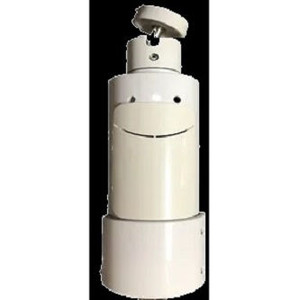
Hanwha STB-1520VW Swivel Hanging Mount
360° swivel hanging mount for TNM-3620TDY camera positioning
- Full 360-degree rotation enables precise angle adjustment without moving camera
- 1.5" NPT thread standard with durable indoor/outdoor rated construction
- IP66 and IK10 ratings handle harsh environments from -40°C to +55°C
Usually Ships in 2-3 Weeks Free shipping over $499$160.00 $97.99 Save $62.01 -
Save $0.51

Honeywell Commercial Security HA35CLM02 Ceiling Mount
Ceiling-mount scanner for fixed overhead data capture in warehouses
- Wired connectivity eliminates wireless interference in high-density deployment zones.
- Ceiling mount form factor enables fixed overhead scanning at dock and aisle stations.
- Stationary install removes battery management overhead for always-on data capture.
Usually Ships in 2-3 Weeks Free shipping over $499$83.50 $82.99 Save $0.51 -
Save $0.51
Honeywell HA35CLM01 S35 Ceiling Mount Base
Ceiling mount base for Honeywell S35 series surveillance cameras
- Designed specifically for Honeywell S35 series cameras, ensuring a verified fit.
- Ceiling mount form factor supports overhead coverage in commercial deployments.
- Compatible with optional accessories including HA354SC01 and HA35CLM02 for flexibility.
Usually Ships in 2-3 Weeks Free shipping over $499$83.50 $82.99 Save $0.51 -
Save $37.23
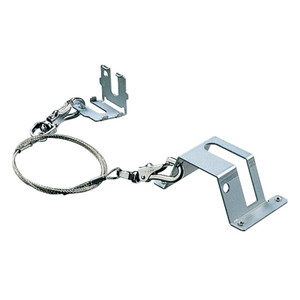
i-PRO WV-Q105A Ceiling Mount Bracket
Flush ceiling mount bracket for i-PRO dome cameras in indoor spaces
- Flush-mounted design keeps camera tight to ceiling surface
- Compatible with i-PRO dome camera product family
- White housing suited for office, retail, education, warehouse use
In stock · Ships same business day Free shipping over $499$120.22 $82.99 Save $37.23 -
Save $0.01
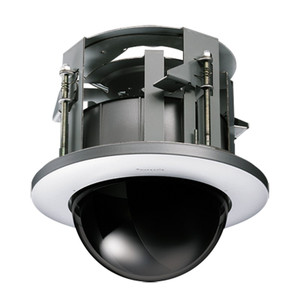
i-PRO WV-Q159C Clear Embedded Ceiling Mount
Clear embedded ceiling mount for i-PRO dome cameras with day/night vision
- Flush-mounted design integrates into drop and hard ceilings with minimal visual impact
- Compatible with i-PRO dome cameras featuring day/night and night vision capabilities
- Integrated cable pathway keeps wiring organized and concealed within ceiling structure
Usually Ships in 2-3 Weeks Free shipping over $499$242.00 $241.99 Save $0.01 -
Save $0.31
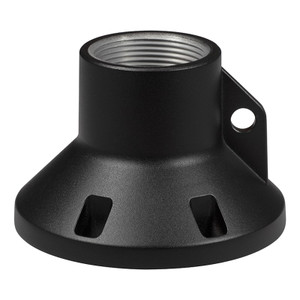
i-PRO WV-QCL100-B Ceiling Mount Bracket
Flush ceiling mount bracket for i-PRO PTZ domes with concealed wiring
- Mounts flush to suspended or structural ceilings with hidden cable routing
- Steel construction with sealed cable passage protects connections and plenum
- Compatible with i-PRO PTZ dome cameras; includes mounting hardware
Usually Ships in 2-3 Weeks Free shipping over $499$138.30 $137.99 Save $0.31 -
Save $0.31
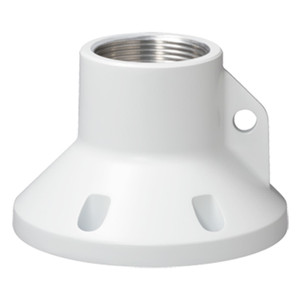
i-PRO WV-QCL100-W Ceiling Mount Bracket White
Ceiling pendant bracket with 1.5" ISO female thread for dome cameras
- 1.5" Rp ISO female connection compatible with i-PRO and OEM dome cameras
- White powder-coated steel construction for indoor ceiling installations
- Pendant-style direct mount design for stable, professional camera positioning
Usually Ships in 2-3 Weeks Free shipping over $499$138.30 $137.99 Save $0.31 -
Save $0.01

i-PRO WV-QCL101-W Ceiling Mounting Bracket for Dome Cameras
White ceiling bracket for i-PRO dome cameras, flush or pendant mount
- ANSI female connector seats securely with i-PRO dome cameras
- Flush or pendant configuration adapts to ceiling obstructions and sight lines
- Stainless steel construction in white finish for indoor surveillance
Usually Ships in 2-3 Weeks Free shipping over $499$134.00 $133.99 Save $0.01 -
Save $0.33
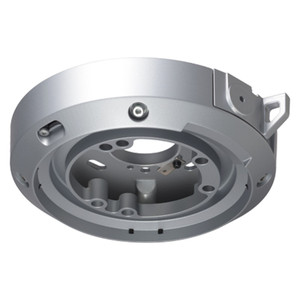
i-PRO WV-QCL500-S Ceiling Surface Mount Bracket for PTZ Cameras
Ceiling surface mount bracket for PTZ cameras with 24VAC power
- Surface mount design eliminates ceiling cutouts; mounts directly to existing surfaces
- 24VAC power support integrates with standard building automation infrastructure
- Ethernet connectivity with HTTPS encryption for secure PTZ control and video
Usually Ships in 2-3 Weeks Free shipping over $499$252.32 $251.99 Save $0.33