

Showing Results for Mounting Brackets & Kits
-
Save $7.01

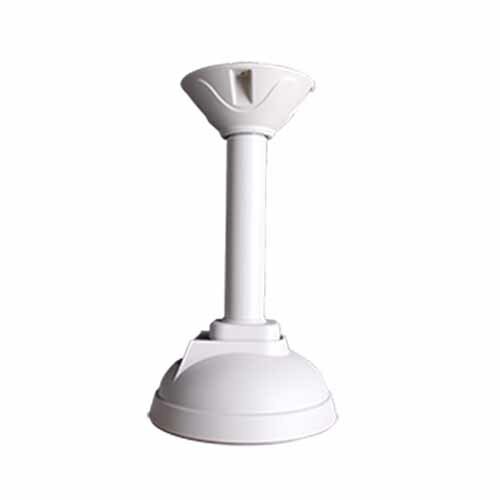
Axis T91B50 Telescopic Ceiling Mount - 5507-451
Telescopic ceiling mount, 1–2m adjustable, extends to 5m with pipes
- Adjusts 1–2 meters (39–79 inches) for precise camera positioning on flat or sloped ceilings
- Extends to 5 meters (197 inches) with optional accessory pipes for high-bay installations
- Dampened swivel resists vibration and impact in active warehouse and retail environments
In stock · Ships same business day Free shipping over $499$229.00 $221.99 Save $7.01 -
Save $25.01
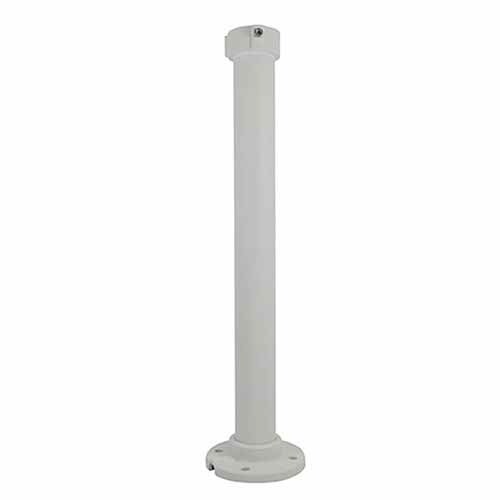
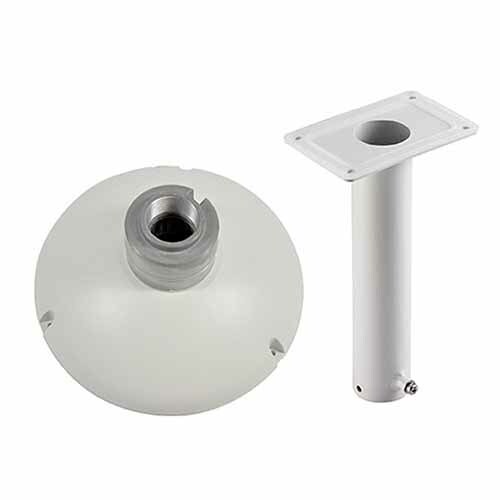
Hanwha SBP-300CMW Pendant Mount, White
12" aluminum pendant mount, 1 1/2" thread, white finish
- 12-inch drop length clears suspended ceilings and HVAC ducts
- 1 1/2" female thread fits most professional surveillance cameras
- Corrosion-resistant aluminum body for indoor and outdoor use
Usually Ships in 2-3 Weeks Free shipping over $499$85.00 $59.99 Save $25.01 -
Save $27.17
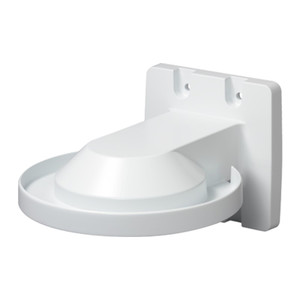
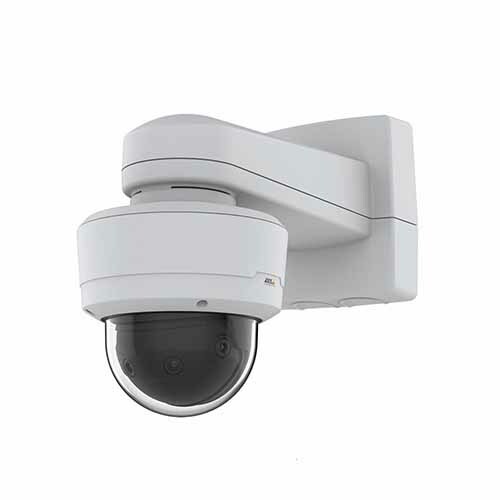
i-PRO WV-QWL500-W White Wall Mounting Bracket for Dome Cameras
White wall bracket for i-PRO dome cameras in indoor commercial spaces
- Wall-mount design positions fixed dome cameras at fixed height for corridor and entrance coverage
- White finish blends into office and retail environments without visual intrusion
- Wired Ethernet compatible with standard i-PRO IP camera deployments
In stock · Ships same business day Free shipping over $499$86.16 $58.99 Save $27.17 -
Save $0.01

Axis T91A11 Plastic Mounting Stand White - 5017-111
Plastic pedestal stand for AXIS M10X/M11X cameras, tool-free setup
- Tripod-mount interface fits M10X and M11X series cameras without tools
- White plastic construction, lightweight at 0.15 lb, blends office environments
- Adjustable positioning allows angle testing before permanent wall or ceiling mount
In stock · Ships same business day Free shipping over $499$16.00 $15.99 Save $0.01 -
Save $3.01
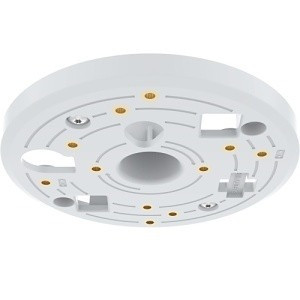
Axis T91A33 Lighting Track Mount White 4-Pack - 01467-001
4-pack track mounts for supplemental lighting with Axis cameras
- Mounts to universal 3-circuit lighting track systems without rewiring
- Four mounts per kit for multi-camera or concentrated deployment options
- White finish integrates with modern ceiling infrastructure and trunking
Usually Ships in 2-3 Weeks Free shipping over $499$94.00 $90.99 Save $3.01 -
Save $17.01
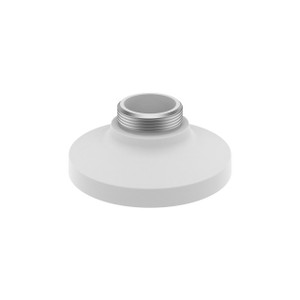
Hanwha SBP-300HMW7 Hanging Mount White
Lightweight aluminum ceiling mount, 145g, -50°C to +60°C
- 145g aluminum construction reduces ceiling load for multi-camera deployments
- PF 1 1/2" male thread compatible with standard wall and ceiling adapters
- Operates across -50°C to +60°C and 0–100% humidity without drift
Usually Ships in 2-3 Weeks Free shipping over $499$50.00 $32.99 Save $17.01 -
Save $30.97

i-PRO WV-QSR506-W 4-Screw Mount Bracket
4-screw ceiling/wall mount bracket for i-PRO fixed camera installations
- Four-point fastening distributes load evenly to prevent frame drift
- White powder-coat finish blends into standard office and retail ceilings
- Compatible with i-PRO screw-mount camera platforms; installs with standard tools
Usually Ships in 2-3 Weeks Free shipping over $499$98.96 $67.99 Save $30.97 -
Save $0.01
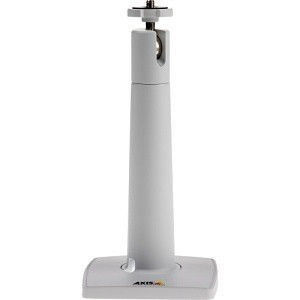
Axis T91B21 Aluminum Tripod Mount Stand - 5506-611
Corrosion-resistant aluminum stand with integrated cable routing
- Standard 1/4-inch tripod thread fits Axis M11, P13, Q16 series
- Aluminum construction resists corrosion in outdoor and coastal environments
- Cable hole with snap-on cover routes wiring and hides fasteners
Usually Ships in 2-3 Weeks Free shipping over $499$41.00 $40.99 Save $0.01 -
Save $9.01
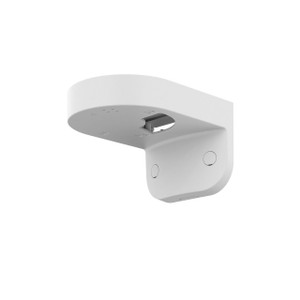
Hanwha SBP-120WMW Indoor Wall Mount, White
Lightweight wall mount for Hanwha compact indoor cameras, -50°C to 60°C
- 175g plastic construction installs without reinforced anchors yet holds aim stable
- Operates 0–100% humidity in uncontrolled spaces—data centers, warehouses, vestibules
- White finish blends into ceilings and drywall without visual clutter in offices
In stock · Ships same business day Free shipping over $499$26.00 $16.99 Save $9.01 -
Save $54.01

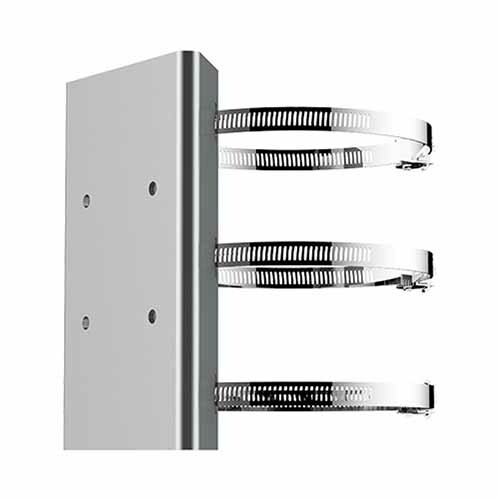
Hanwha SBP-156WMW Wall and Pole Mount
Wall and pole mount for Hanwha PTZ and IP cameras, aluminum white finish
- Dual-configuration bracket mounts to flat walls or round poles without swapping hardware
- Aluminum construction with white powder coat resists corrosion in outdoor environments
- Compatible with Hanwha Wisenet PTZ Plus and standard IP surveillance cameras
In stock · Ships same business day Free shipping over $499$155.00 $100.99 Save $54.01 -
Save $37.01
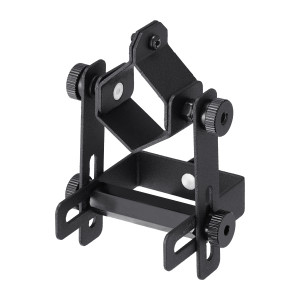
Hanwha STB-2000 Covert Camera Mounting Bracket
Covert bracket for XNB-6001 camera in ATM, POS, and retail surveillance
- Secure mechanical mounting holds XNB-6001 stable during vibration and thermal cycling
- Compatible with SLA-T4680 and SLA-T2480 lens modules for flexible deployment
- IP67-rated, IK10 impact resistance, white covert form factor for discreet installation
Usually Ships in 2-3 Weeks Free shipping over $499$130.00 $92.99 Save $37.01 -
Save $0.01
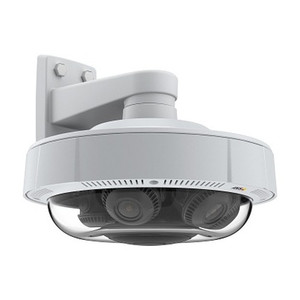
Axis T91E61 Wall Mount - 5506-481
IK10 wall bracket for dome cameras—powder-coated aluminum, NEMA 4X rated
- IK10 impact rating withstands 20 joules without cracking in high-traffic areas
- NEMA 4X sealing blocks rain, dust, and salt spray in outdoor deployments
- 1.5" NPS thread fits standard Axis dome cameras; internal cable canal included
In stock · Ships same business day Free shipping over $499$49.00 $48.99 Save $0.01 -
Save $0.01

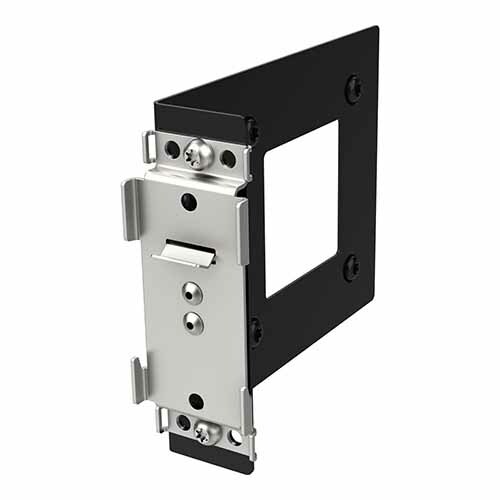
Axis TA1901 DIN Rail Clip - 02685-021
35mm DIN rail clip for Axis door controllers and I/O modules
- Fits standard 35mm DIN rails; mounts Axis network door controllers
- Tool-free installation with slide-and-lock mechanism; no drilling
- Metal construction secures modules in cabinets with vibration or thermal cycling
Usually Ships in 2-3 Weeks Free shipping over $499$52.00 $51.99 Save $0.01 -
Save $3.01
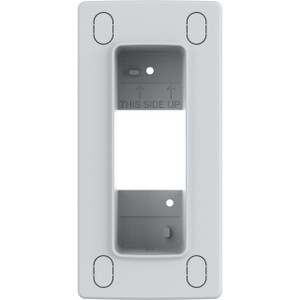
Axis TI8204 Recessed Wall Mount White - 02561-001
Recessed wall mount for I8116-E intercom with IP65/IK07 durability
- Flush-mount design sits inside wall cavity for clean, clutter-free installation
- IP65 rating withstands dust and water jets; IK07 handles moderate impact
- Powder-coated chromate aluminum in white for indoor and outdoor use
Usually Ships in 2-3 Weeks Free shipping over $499$99.00 $95.99 Save $3.01 -
Save $0.01
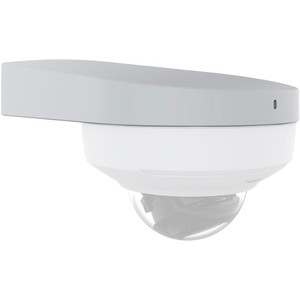
Axis TM3101 Pendant Wall Mount White - 01742-001
Discreet pendant mount for Axis mini domes with integrated cable routing
- Vertical ceiling/wall mount reduces visual bulk in retail and office spaces
- Built-in cable compartment routes network and audio wiring internally
- Microphone-ready design supports two-way audio from single mount point
Usually Ships in 2-3 Weeks Free shipping over $499$52.00 $51.99 Save $0.01 -
Save $241.39
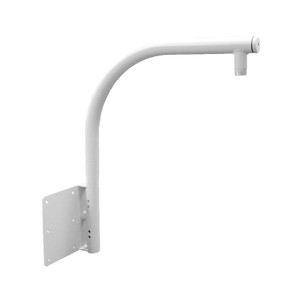
i-PRO PPRM35AW White Parapet Mount Bracket
White parapet wall mount bracket for rooftop camera installations
- 22 lb outdoor-rated steel construction resists wind load and thermal cycling
- White powder coat finish dissipates heat, reducing thermal drift on exposed roofs
- Purpose-built for i-PRO surveillance cameras on building-edge perimeter walls
Usually Ships in 2-3 Weeks Free shipping over $499$794.38 $552.99 Save $241.39 -
Save $0.01
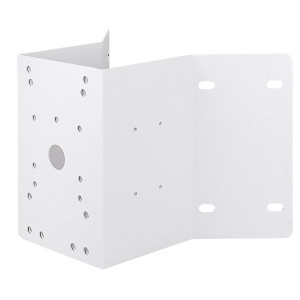
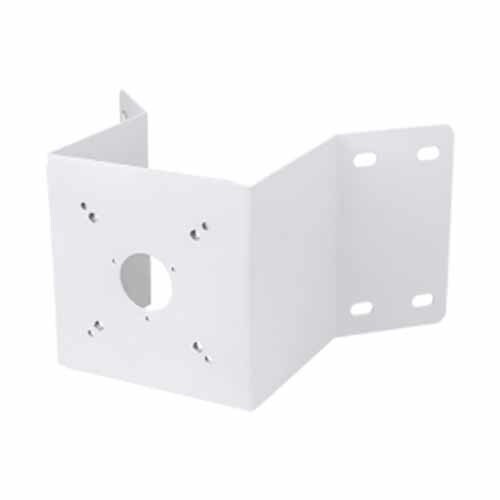
Vivotek AM-414_V01 Corner Mount Bracket
Corner mount bracket for Vivotek cameras, 25 kg load, IP66 rated
- 25 kg capacity holds a camera body plus power box or PoE switch
- SPCC steel with white powder coat resists corrosion indoors and out
- Compact 240 × 341.6 × 233.4 mm footprint fits tight corner spaces
Usually Ships in 2-3 Weeks Free shipping over $499$182.00 $181.99 Save $0.01 -
Save $0.01

Axis T94T02S Mounting Bracket - 01566-001
Spring-clip bracket for Axis M3057/58-PLVE camera mounting
- Tool-free installation with spring clips for quick camera repositioning
- Single bracket designed for M3057/58-PLVE models—spare part for downtime
- White mounting bracket with secure clip design for stable camera hold
Usually Ships in 2-3 Weeks Free shipping over $499$41.00 $40.99 Save $0.01 -
Save $4.01

Axis T94V01C Dual Camera Mount - 01457-001
Back-to-back dual-camera mount with IK10 vandal resistance
- 1.5" NPS threaded interface fits Axis dome, box, and bullet cameras
- IK10 rating withstands 20J impact blows in high-risk environments
- Indoor and outdoor rated; reduces installation points and labor costs
In stock · Ships same business day Free shipping over $499$119.00 $114.99 Save $4.01 -
Save $0.01
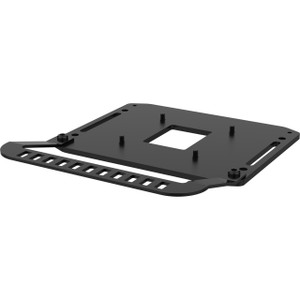
Axis TF9902 Surface Mount for F Series - 02360-001
Surface mount bracket for Axis F91 main units in vibration-prone sites
- F91 main unit compatibility with direct wall or pole attachment
- Vibration-rated design for warehouses, manufacturing, and vehicle platforms
- Integrated strain relief protects RJ-45 and power connections from flexing
Usually Ships in 2-3 Weeks Free shipping over $499$41.00 $40.99 Save $0.01 -
Save $2.01

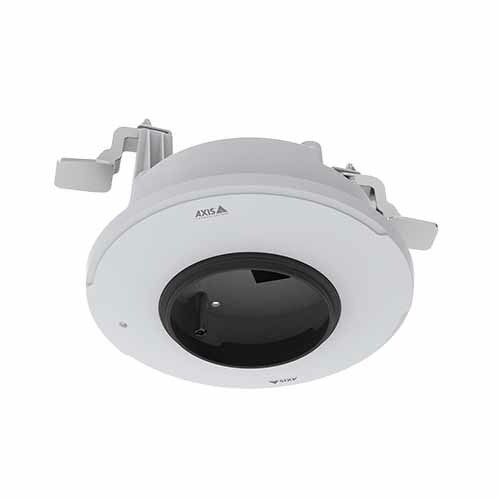
Axis TM3204 Recessed ceiling mount for IP cameras - 02425-001
Recessed ceiling mount for Axis IP cameras with pan/tilt adjustment
- Sits flush in drop-ceiling cavity with no visible bracket below tile line
- Pan, tilt, and rotate for on-site field-of-view fine-tuning without remount
- Ships with fasteners and anchors for standard drop-ceiling installation
Usually Ships in 2-3 Weeks Free shipping over $499$63.00 $60.99 Save $2.01 -
Save $3.01
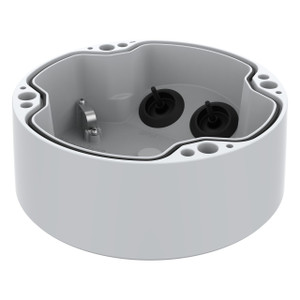
Axis TP1602-E Conduit Back Box IP66 - 02712-001
IP66 conduit back box with IK10 impact resistance for outdoor camera installations
- IP66 dust-tight, direct water jet resistant housing protects connections from washdown and rain
- IK10 rated to withstand 20-joule impacts in high-traffic outdoor and warehouse environments
- Pre-molded conduit entry ports for code-compliant cable routing; fits Axis P14 and Q19 cameras
Usually Ships in 2-3 Weeks Free shipping over $499$84.00 $80.99 Save $3.01 -
Save $0.01
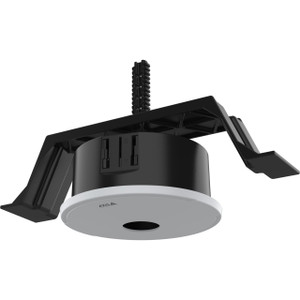
Axis TM3211 Recessed Mount Accessory - 02818-001
Recessed ceiling mount for discrete Axis camera installations
- Flush-mount design conceals hardware while maintaining full surveillance coverage
- Compatible with standard Axis camera models across corporate and retail spaces
- Durable construction minimizes vibration for stable, consistent video performance
Usually Ships in 2-3 Weeks Free shipping over $499$52.00 $51.99 Save $0.01 -
Save $2.01
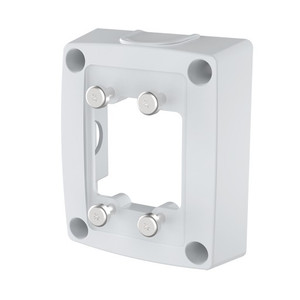
Axis TQ1601-E Conduit Back Box - 02336-001
IP66/IP67 conduit back box with IK10 impact rating for outdoor camera installations
- IP66/IP67 rated aluminum enclosure protects connections from rain, spray, and dust
- IK10 impact resistance withstands 20-joule strikes without cracking or deforming
- Three cable entry points (rear hole + M25 side/bottom ports) for flexible routing
Usually Ships in 2-3 Weeks Free shipping over $499$63.00 $60.99 Save $2.01 -
Save $6.01

Axis TQ5001-E Wall and Pole Mount - 02411-001
Rugged wall/pole mount for Axis PTZ cameras, IP66/NEMA 4X rated
- Supports 40 kg load with IP66, NEMA 4X, and IK10 impact protection
- Operates -50°C to 65°C with aluminum construction and white finish
- Compatible with Axis P55, P56, Q37, Q60, and Q61 series cameras
Usually Ships in 2-3 Weeks Free shipping over $499$169.00 $162.99 Save $6.01 -
Save $19.01

Hanwha SBO-147B Waterproof Aluminum Back Box
IP67/IK10 aluminum back box for Hanwha cameras in harsh outdoor
- IP67 waterproof + IK10 vandal-rated aluminum resists rain, dust, impact
- Operates -50°C to 50°C; lightweight (0.9 kg) with wall or ceiling mount
- Purpose-built for Hanwha X, Q, P, and Wisenet IP camera lines
Usually Ships in 2-3 Weeks Free shipping over $499$80.00 $60.99 Save $19.01 -
Save $60.91
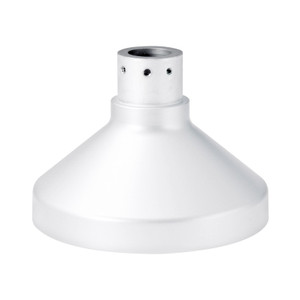
i-PRO WV-QSR501S-W Wall Mount Bracket for Dome Cameras
White wall bracket for i-PRO dome cameras, 4-screw pattern
- Four-point fastening distributes load evenly, reduces stress on anchors
- Standard mounting pattern works across i-PRO dome camera lineup
- Powder-coat white finish for indoor and sheltered outdoor use
In stock · Ships same business day Free shipping over $499$197.90 $136.99 Save $60.91 -
Save $2.01
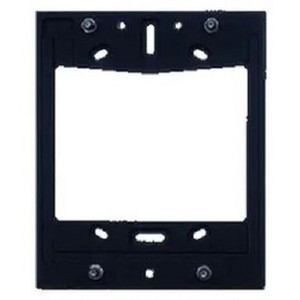
2N IP Solo Wall Mount Backplate - 01305-001
Wall-mount backplate for 2N IP Solo intercoms, indoor/outdoor rated
- Purpose-engineered for IP Solo series with precision-aligned mounting holes
- High-grade materials resist corrosion in indoor and outdoor deployments
- Neutral finish blends discreetly with device housing and wall surfaces
Usually Ships in 2-3 Weeks Free shipping over $499$62.00 $59.99 Save $2.01 -
Save $0.01

Axis F91 DIN Rail Mounting Clip - 02361-001
35mm DIN rail clip for compact AXIS F91 panel mounting
- Mounts F91 main units short-side-forward to standard DIN rail
- Cable routing in three directions—up, down, or outward from rail
- Includes angled bracket option for flexible installation geometry
Usually Ships in 2-3 Weeks Free shipping over $499$41.00 $40.99 Save $0.01 -
Save $0.01
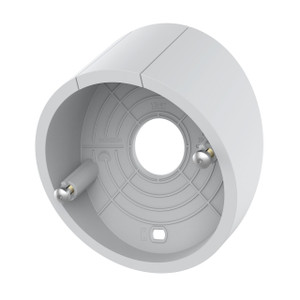
Axis 01748-001 Tilted Wall Mount
25° tilted wall mount for Axis panoramic cameras, eliminates floor blindspots
- Fixed 25° downward tilt captures floor-level activity missed by horizontal mounts
- Lightweight 1 lb design simplifies single-technician installation on drywall or masonry
- Works with Axis M3067-P and M3068-P panoramic models; white finish blends interiors
In stock · Ships same business day Free shipping over $499$41.00 $40.99 Save $0.01 -
Save $3.01

Axis 5504-711 Corner Bracket Mount
Corner bracket mount for dual-angle coverage at building intersections
- Positions single camera at corner junction to cover two adjacent walls
- Weather-resistant construction in RAL 9003 white, weighs only 1.8 kg
- Compatible with Axis P5414-E/15-E, Q1765-LE, Q1931-E, P33-VE cameras
Usually Ships in 2-3 Weeks Free shipping over $499$94.00 $90.99 Save $3.01 -
Save $0.01

Axis T91B21 Professional Camera Stand - 5506-621
Aluminum stand for Axis M11/P13/Q16 cameras, wall and ceiling mount
- Tool-free assembly with 1/4-inch tripod thread compatibility across Axis series
- Matte black anodized aluminum resists corrosion and vibration in variable environments
- Integrated cable routing hole with snap-on cover hides wiring and reduces installation time
Usually Ships in 2-3 Weeks Free shipping over $499$41.00 $40.99 Save $0.01 -
Save $2.01
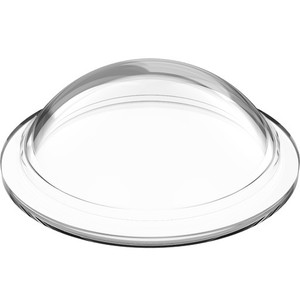
Axis T94T02D Pendant Kit M30-PLVE - 01461-001
Pendant mount for M30-PLVE cameras in outdoor, high-impact environments
- Impact/UV/heat-resistant polymer withstands sun, temperature swings, physical contact
- 1.5" NPS threaded mount integrates directly with M30-PLVE series cameras
- Outdoor-rated weathershield design for parking lots, perimeters, traffic corridors
In stock · Ships same business day Free shipping over $499$63.00 $60.99 Save $2.01 -
Save $6.01
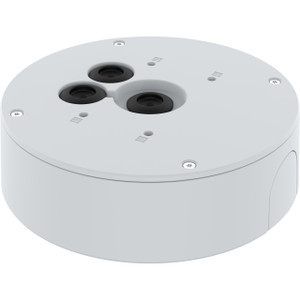
Axis TQ3601-E Conduit Back Box 3/4" - 02913-001
IP66/IP67 conduit back box with IK10 impact resistance for outdoor camera installs
- IP66/IP67 weatherproof sealing keeps moisture and dust away from RJ45 connections
- IK10 rated (20 joule impact) resists vandalism and accidental strikes during installation
- Powder-coated aluminum with stainless steel hardware weighs 1.3 kg, supports up to 5 kg load
In stock · Ships same business day Free shipping over $499$189.00 $182.99 Save $6.01 -
Save $12.01

Hanwha SBV-136B Waterproof Back Box with Knockouts
IP66 waterproof aluminum back box for Hanwha outdoor cameras
- IP66-rated aluminum enclosure seals out rain, dust, and salt spray
- Knockout panels allow flexible cable entry without compromising seals
- Ivory finish blends into standard building facades and resists corrosion
Usually Ships in 2-3 Weeks Free shipping over $499$50.00 $37.99 Save $12.01 -
Save $0.01
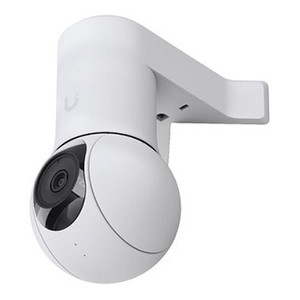
Ubiquiti UACC-G5-PTZ-CM Corner mount accessory for G5 PTZ.
Corner mount for Ubiquiti G5/G6 PTZ cameras
- Positions G5/G6 PTZ cameras at building corners, eliminating perimeter dead zones.
- Stainless steel and polycarbonate construction withstands outdoor and high-humidity environments.
- Compact 91.1 × 42.2 × 48.2 mm profile installs with included hardware, no special tools needed.
In stock · Ships same business day Free shipping over $499Add to quote$19.00 $18.99 Save $0.01