What's the difference between a VMS and an NVR?
An NVR is a dedicated appliance that records and stores video locally. A VMS is software that manages multiple recording sources (NVRs, servers, cameras), live view, user permissions, and multi-site administration. Many deployments pair enterprise VMS software with NVR appliances for scalability and redundancy.
Can I use any IP camera with my VMS?
It depends. ONVIF-compliant VMS platforms support any ONVIF-certified camera, giving you vendor flexibility. Some VMS platforms (especially from Axis or proprietary solutions) may require brand-specific cameras or firmware for full feature access. Always verify compatibility with your intended camera brands before purchase.
How much storage do I need for my VMS?
Storage size depends on camera count, bitrate, frame rate, and retention days. Use retention math to calculate storage accurately and avoid common bitrate and motion traps. Pair your VMS with properly sized NVR hard drives and validate that your recording server's I/O can sustain the aggregate bitrate without bottlenecks.
What happens if my VMS server fails?
Failover depends on your architecture. A cloud or hybrid VMS may automatically reroute to backup infrastructure. On-premise VMS setups require redundant servers and synchronized recording to a secondary NVR or SAN. Verify your vendor's RTO and verify that recording continues during failover to avoid gap coverage.
How do I integrate analytics into my VMS?
Most modern VMS platforms natively support ONVIF analytics feeds (motion, face detection, vehicle detection). Some integrate third-party analytics engines via plug-ins or APIs. Ensure analytics performance under load and that alert storms don't overwhelm your VMS database or operator workstations.
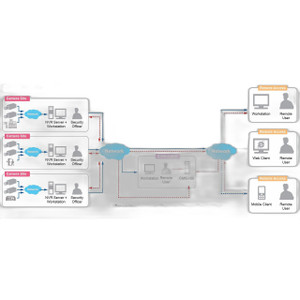
Can my VMS manage cameras at multiple remote sites?
Yes. Enterprise and cloud/hybrid VMS platforms are designed for multi-site management via centralized console. Verify bandwidth requirements for live streaming from remote locations, redundancy for local recording at branches, and whether the VMS requires a dedicated WAN connection or can operate over standard internet links.