
Zebra DS9308-SR00004ZTWW vs Datalogic M3450-010310-21104: Specification Comparison
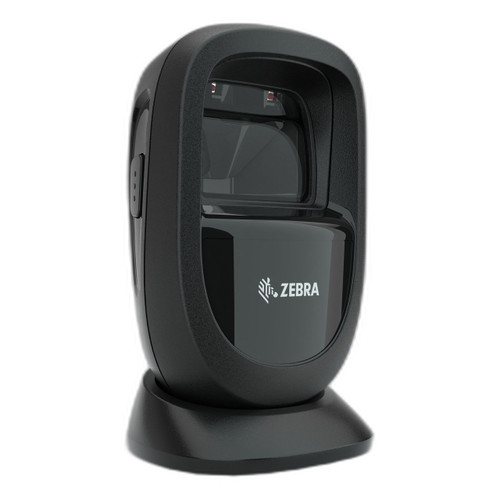
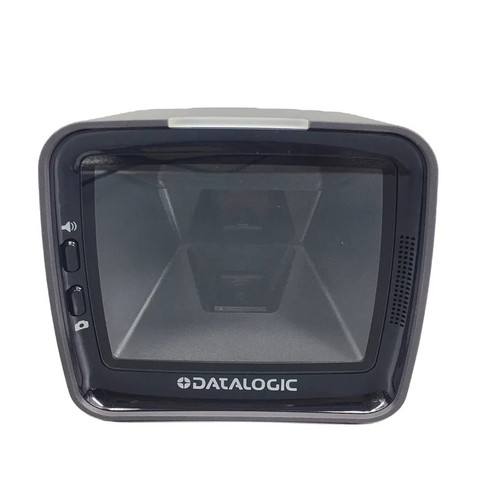
Both the Zebra DS9308-SR00004ZTWW and the Datalogic Magellan 3450VSi (M3450-010310-21104) are wired presentation scanners targeting retail point-of-sale environments, capable of reading 1D and 2D barcodes in an over-the-counter, hands-free scanning posture. The Zebra is a conventional horizontal presentation unit while the Datalogic is a vertical presentation design. Buyers evaluating these two will weigh symbology breadth, physical interface options, durability ratings, and form-factor fit for their specific checkout counter layout.
In This Guide
- Which scanner reads a broader range of barcodes and how do their imaging engines compare?
- What connectivity options does each scanner offer, and how does that affect POS integration flexibility?
- How do the two scanners compare on physical durability, environmental sealing, and operating conditions?
- Which should you choose: the DS9308-SR00004ZTWW or the M3450-010310-21104?
- Side-by-Side Specs
- FAQ
Which scanner reads a broader range of barcodes and how do their imaging engines compare?
Both units deploy a 1D/2D area imager. The Zebra DS9308-SR00004ZTWW supports Code 128, Code 39, UPC, EAN in 1D, plus QR Code, Data Matrix, and PDF417 in 2D, using a single-pass scan pattern at a specified rate of 120.1 inches per second.
The Datalogic M3450-010310-21104 covers the same core set — Code 128, Code 39, UPC, EAN, QR Code, Data Matrix, PDF417 — and adds GS1 DataBar (1D), Aztec, and Maxicode (2D), giving it a broader symbology footprint out of the box. Its scan pattern is specified as omnidirectional, which contrasts with the Zebra's single-pass pattern. Neither product's datasheet provides a direct scan-rate figure in inches per second for the Datalogic unit, so a numeric speed comparison cannot be made.
What connectivity options does each scanner offer, and how does that affect POS integration flexibility?
The Zebra DS9308-SR00004ZTWW is specified as wired USB only. It is host-powered, requiring 4.5–5.5 VDC supplied through the USB connection, meaning no external power brick is needed. This simplifies cable management at the checkout station but limits integration to USB-capable POS hosts.
The Datalogic M3450-010310-21104 supports both USB and RS-232 interfaces. RS-232 availability matters in legacy POS environments — older cash registers, kiosks, and industrial terminals — where USB is not present. Buyers with mixed or aging POS infrastructure will find the Datalogic's dual-interface support provides more deployment flexibility without requiring a USB adapter or interface converter.
How do the two scanners compare on physical durability, environmental sealing, and operating conditions?
The Zebra DS9308-SR00004ZTWW carries an IP52 ingress protection rating, guarding against limited dust ingress and dripping water, and is drop-rated to 1.5 meters (approximately 5 feet) onto concrete. Its operating temperature range is 0°C to 50°C (32°F to 122°F), with storage rated from -40°C to 70°C.
The Datalogic M3450-010310-21104 does not list an IP ingress protection rating or a drop rating in the provided specifications. No operating temperature range is specified for the Datalogic unit. For buyers operating in environments where spills, dust, or accidental drops are a realistic concern — grocery, convenience, or food service retail — the Zebra's documented IP52 sealing and 1.5m drop rating represent a concrete, quantified durability advantage that cannot be matched by absent data on the Datalogic side.
Which should you choose: the DS9308-SR00004ZTWW or the M3450-010310-21104?
Our take: The DS9308-SR00004ZTWW is the stronger choice when verified durability ratings and a known scan rate are decision criteria, while the M3450-010310-21104 is preferable when symbology breadth or RS-232 legacy connectivity is required. On durability, the Zebra holds documented IP52 sealing and a 1.5m drop rating; the Datalogic lists neither. On scan speed, the Zebra specifies 120.1 inches per second; no equivalent figure is available for the Datalogic. On symbologies, the Datalogic adds GS1 DataBar, Aztec, and Maxicode to the shared baseline, making it the better fit for retail environments handling healthcare, logistics, or postal codes. On connectivity, the Datalogic supports both USB and RS-232 versus the Zebra's USB-only interface, which is a concrete advantage in legacy POS installations. Choose the Zebra for durability-sensitive, USB-only retail counters; choose the Datalogic for broader barcode coverage or mixed-interface POS infrastructure.
Side-by-Side Comparison
Spec-for-spec, from manufacturer data.
| Specification | Zebra DS9308-SR00004ZTWW | Datalogic M3450-010310-21104 |
|---|---|---|
| Product Type | Presentation Scanner | Vertical Presentation Scanner |
| Form Factor | Horizontal Presentation | Vertical Presentation |
| Scan Engine | 1D/2D Imager | 1D/2D Area Imager |
| Scan Pattern | Single-pass | Omnidirectional |
| Scan Rate | 120.1 in/sec | — |
| Connectivity | USB (wired, host-powered) | USB; RS-232 |
| 1D Symbologies | Code 128; Code 39; UPC; EAN | Code 128; Code 39; UPC; EAN; GS1 DataBar |
| 2D Symbologies | QR Code; Data Matrix; PDF417 | QR Code; Data Matrix; PDF417; Aztec; Maxicode |
| IP Rating | IP52 | — |
| Drop Rating | 1.5 m to concrete | — |
| Operating Temp | 0°C to 50°C (32°F to 122°F) | — |
| Storage Temp | -40°C to 70°C | — |
| Input Voltage | 4.5–5.5 VDC (host-powered) | — |
| Weight | 11.2 oz / 318 g | 1.32 lb / 599 g |
| Dimensions | — | 152 x 137 x 94 mm (6.0 x 5.4 x 3.7 in) |
| Warranty | 1 Year | 3 Year Limited |
Frequently Asked Questions
Which should you choose: the DS9308-SR00004ZTWW or the M3450-010310-21104?
The DS9308-SR00004ZTWW is the stronger choice when verified durability ratings and a known scan rate are decision criteria, while the M3450-010310-21104 is preferable when symbology breadth or RS-232 legacy connectivity is required. On durability, the Zebra holds documented IP52 sealing and a 1.5m drop rating; the Datalogic lists neither. On scan speed, the Zebra specifies 120.1 inches per second; no equivalent figure is available for the Datalogic. On symbologies, the Datalogic adds GS1 DataBar, Aztec, and Maxicode to the shared baseline, making it the better fit for retail environments handling healthcare, logistics, or postal codes. On connectivity, the Datalogic supports both USB and RS-232 versus the Zebra's USB-only interface, which is a concrete advantage in legacy POS installations. Choose the Zebra for durability-sensitive, USB-only retail counters; choose the Datalogic for broader barcode coverage or mixed-interface POS infrastructure.
Is the DS9308-SR00004ZTWW or the M3450-010310-21104 better for a high-volume grocery checkout lane?
The Zebra DS9308-SR00004ZTWW specifies a scan rate of 120.1 inches per second and a single-pass scan pattern, which supports fast throughput at a busy checkout. The Datalogic M3450-010310-21104 uses an omnidirectional scan pattern, which can help with varied barcode orientations, but no scan rate figure is provided in its specifications to allow a direct speed comparison. The Datalogic also reads GS1 DataBar, which is common on grocery produce and coupons, giving it a symbology edge in that vertical.
Can either scanner connect to an older POS terminal that only has a serial RS-232 port?
Yes, but only the Datalogic M3450-010310-21104. Its specified interfaces include both USB and RS-232. The Zebra DS9308-SR00004ZTWW is specified as wired USB only and is host-powered via USB, so it cannot connect directly to a serial-only POS terminal without an external interface converter.
Which scanner is more ruggedized for a retail environment where spills and drops are a concern?
The Zebra DS9308-SR00004ZTWW has documented IP52 sealing (limited dust and drip resistance) and a 1.5-meter drop rating to concrete per its specifications. The Datalogic M3450-010310-21104 does not list an IP rating or drop rating in the provided specifications, so no equivalent durability claim can be confirmed for that unit. Based solely on available spec data, the Zebra has a verifiable durability advantage.
More Barcode Scanner Comparisons
- Zebra DS9308 vs Datalogic M3410-010200-00403
- Zebra DS9308 vs Datalogic M3410-010210-00403
- Zebra DS9308 vs Datalogic M3450-010310-21104
- Zebra DS9308 vs Datalogic M3410-010210-00604
- Zebra DS9308 vs Zebra DS9308
- Zebra DS9308 vs Zebra DS9908
Barcode Scanner Buying Guides
Get a Second Opinion on Your Camera Choice
Share your site layout, coverage goals, and budget. Our team will validate the camera selection, flag anything we would change, and recommend products that match the use case.