
Unitech RP200-42AA30G-AZ3-NB vs Unitech SL220-VMU0G0-SG-Z3: Specification Comparison
Both the Unitech RP200-42AA30G-AZ3-NB and the Unitech SL220-VMU0G0-SG-Z3 are wired, corded 2D handheld barcode scanners rated IP65, intended for warehouse and retail environments. Both carry the same brand, target the same scanning class, and share a wired USB interface. A buyer choosing between them would evaluate scan engine capability, battery capacity, form factor details, symbology breadth, and included accessories — the dimensions examined in this comparison.
In This Guide
- Which scanner reads a broader range of barcode symbologies?
- Which scanner offers greater battery capacity for extended shifts?
- How do the two scanners differ in physical design, interface, and what comes in the box?
- Which should you choose: the RP200-42AA30G-AZ3-NB or the SL220-VMU0G0-SG-Z3?
- Side-by-Side Specs
- FAQ
Which scanner reads a broader range of barcode symbologies?
The RP200-42AA30G-AZ3-NB is specified as a 2D scan engine capable of 1D and 2D symbologies including QR and PDF417. The spec listing does not enumerate individual symbologies beyond these examples.
The SL220-VMU0G0-SG-Z3 is specified as a 2D Area Imager with an omnidirectional scan pattern. Its symbology list is extensively documented: 1D symbologies include Codabar, Code 11, Code 128, Code 2 of 5, Code 39, Code 93, EAN/JAN-13, EAN/JAN-8, IATA, Interleaved 2 of 5, Matrix 2 of 5, MSI, GS1 DataBar, UPC-A, and UPC-E. 2D symbologies include Codablock A, Codablock F, PDF417, MicroPDF417, Aztec Code, Data Matrix, MaxiCode, QR Code, Chinese Sensible (Han Xin), Grid Matrix, and Dot Code.
The RP200's symbology coverage may be equivalent in practice, but it is not documented to the same depth. Buyers requiring confirmed support for MaxiCode, Aztec, Han Xin, Grid Matrix, or Dot Code should note that only the SL220 explicitly lists these.
Which scanner offers greater battery capacity for extended shifts?
The RP200-42AA30G-AZ3-NB carries a 200mAh battery. No runtime estimate is provided in the supplied specifications.
The SL220-VMU0G0-SG-Z3 carries a 1150mAh battery — 5.75 times the rated capacity of the RP200. No runtime estimate is provided for the SL220 either, but raw capacity is a direct proxy for sustained use between charges.
Both units are wired scanners, meaning tethered operation does not depend on battery; however, battery capacity determines how long each unit can operate cordlessly or sustain scan-ready state. For deployments where untethered or intermittently powered use matters, the SL220's 1150mAh advantage is substantial.
How do the two scanners differ in physical design, interface, and what comes in the box?
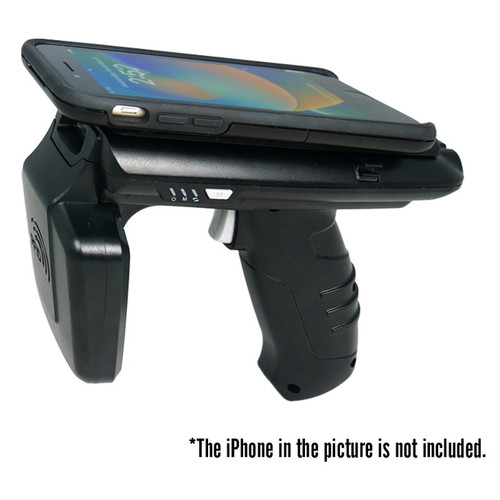
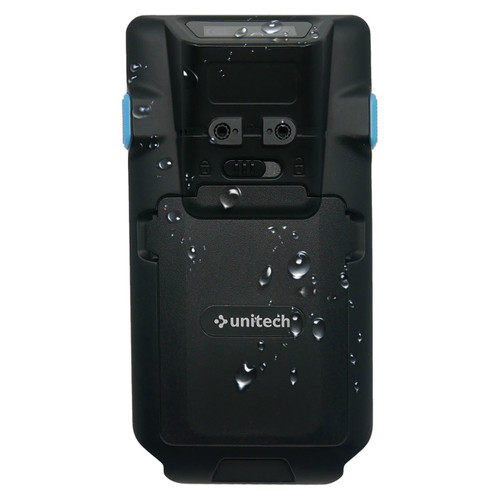
The RP200-42AA30G-AZ3-NB connects via Wired USB or Serial (dual interface noted in specs). Its package includes the RP200 scanner, cradle, USB cable, power adapter, hand strap, and an EA520 jacket. Physical dimensions and weight are not specified.
The SL220-VMU0G0-SG-Z3 connects via Wired USB-C only. Its package includes the SL220 scanner, battery pack, and a USB-C adaptor without power cord — no cradle is included in the standard package. Physical specs are documented: 102 g, 125 × 64 × 27 mm (scanner), 142 × 96 × 95 mm (cradle dimensions listed but cradle not included in box). The SL220 also lists iOS 15 or later as a compatible operating system and supports a 2-scan-key keypad.
The SL220 is specified as both Handheld and Fixed-Mount, offering deployment flexibility not stated for the RP200. The RP200 includes a cradle and serial interface option; the SL220 does not include a cradle and is USB-C only.
Which should you choose: the RP200-42AA30G-AZ3-NB or the SL220-VMU0G0-SG-Z3?
Our take: The SL220-VMU0G0-SG-Z3 is the stronger choice when documented symbology breadth, battery capacity, and mounting flexibility are the primary decision criteria. The SL220's 1150mAh battery is 5.75× the RP200's 200mAh rating, providing substantially more capacity for extended or intermittent-power use. Its symbology list explicitly covers 15 confirmed 1D and 11 confirmed 2D formats — including Aztec, Han Xin, Grid Matrix, and Dot Code — none of which are confirmed in the RP200 specs. The SL220 also supports both handheld and fixed-mount deployment. However, the RP200-42AA30G-AZ3-NB offers a Serial interface option absent on the SL220, includes a cradle and power adapter in the standard package, and may suit installations requiring legacy serial host connectivity. Buyers on serial-interface legacy systems, or those valuing an all-in-one box with cradle, should favor the RP200.
Side-by-Side Comparison
Spec-for-spec, from manufacturer data.
| Specification | Unitech RP200-42AA30G-AZ3-NB | Unitech SL220-VMU0G0-SG-Z3 |
|---|---|---|
| Product Type | Handheld Scanner | 2D Wired Barcode Scanner |
| SKU / MPN | RP200-42AA30G-AZ3-NB | SL220-VMU0G0-SG-Z3 |
| Scan Engine | 2D (1D and 2D symbologies) | 2D Area Imager |
| Scan Pattern | — | Omnidirectional |
| Connectivity | Wired USB / Serial | Wired USB-C |
| IP Rating | IP65 | IP65 |
| Battery Capacity | 200mAh | 1150mAh |
| Form Factor | Handheld | Handheld / Fixed-Mount |
| Weight | — | 102 g |
| Dimensions (Scanner) | — | 125 x 64 x 27 mm |
| 1D Symbologies (confirmed) | QR, PDF417 noted; full list not specified | Codabar, Code 11, Code 128, Code 2 of 5, Code 39, Code 93, EAN/JAN-13, EAN/JAN-8, IATA, I2of5, Matrix 2of5, MSI, GS1 DataBar, UPC-A, UPC-E |
| 2D Symbologies (confirmed) | QR Code, PDF417; full list not specified | PDF417, MicroPDF417, Aztec, Data Matrix, MaxiCode, QR Code, Han Xin, Grid Matrix, Dot Code, Codablock A, Codablock F |
| Warranty | 3-Year with 5-Day Repair | 3-Year with 5-Day Ground Repair |
| Keypad | — | 2 scan keys |
| Compatible OS | — | iOS 15 or later |
| Package Contents | Scanner, Cradle, USB cable, Power adapter, Hand Strap, EA520 Jacket | Scanner, Battery pack, USB-C Adaptor (no power cord) |
Frequently Asked Questions
Which should you choose: the RP200-42AA30G-AZ3-NB or the SL220-VMU0G0-SG-Z3?
The SL220-VMU0G0-SG-Z3 is the stronger choice when documented symbology breadth, battery capacity, and mounting flexibility are the primary decision criteria. The SL220's 1150mAh battery is 5.75× the RP200's 200mAh rating, providing substantially more capacity for extended or intermittent-power use. Its symbology list explicitly covers 15 confirmed 1D and 11 confirmed 2D formats — including Aztec, Han Xin, Grid Matrix, and Dot Code — none of which are confirmed in the RP200 specs. The SL220 also supports both handheld and fixed-mount deployment. However, the RP200-42AA30G-AZ3-NB offers a Serial interface option absent on the SL220, includes a cradle and power adapter in the standard package, and may suit installations requiring legacy serial host connectivity. Buyers on serial-interface legacy systems, or those valuing an all-in-one box with cradle, should favor the RP200.
Is the RP200-42AA30G-AZ3-NB or SL220-VMU0G0-SG-Z3 better for longer warehouse shifts without recharging?
Based on the provided specifications, the SL220-VMU0G0-SG-Z3 has a 1150mAh battery versus the RP200's 200mAh — a 5.75× difference in rated capacity. For extended shifts where sustained battery endurance matters, the SL220 holds a significant documented advantage. Neither product's spec sheet provides a runtime figure, so direct hour-for-hour comparison is not possible from available data.
Does the SL220-VMU0G0-SG-Z3 include a cradle, and does that affect deployment cost?
The SL220-VMU0G0-SG-Z3's standard package contents, as specified, include only the scanner, a battery pack, and a USB-C adaptor without power cord — no cradle is listed. The RP200-42AA30G-AZ3-NB's package explicitly includes a cradle, USB cable, power adapter, and hand strap. Buyers requiring a cradle with the SL220 should verify whether one is available separately; no cradle SKU is referenced in the provided specifications.
Which scanner supports more barcode types, including postal and specialty 2D codes?
The SL220-VMU0G0-SG-Z3 explicitly lists support for Aztec Code, MaxiCode, Chinese Sensible (Han Xin), Grid Matrix, and Dot Code among its 2D symbologies. The RP200-42AA30G-AZ3-NB's specifications confirm QR and PDF417 but do not enumerate its full symbology set. Buyers requiring confirmed support for specialty or postal symbologies should select the SL220 based on available documentation, or request a full symbology sheet from Unitech for the RP200 before purchasing.
More Barcode Scanner Comparisons
- Zebra DS8108 vs Datalogic GBT4600-HC-BTK1-HP
- Zebra DS8108 vs Datalogic GD4590-HCK10-HDR-B
- Zebra DS8108 vs Honeywell 1202G-2USB-5BF-N
- Zebra DS8108 vs Datalogic GBT4500-BK-BTK1DRA
- Zebra DS8108 vs Zebra DS3608
- Zebra DS8108 vs Zebra LI3608
Barcode Scanner Buying Guides
Get a Second Opinion on Your Camera Choice
Share your site layout, coverage goals, and budget. Our team will validate the camera selection, flag anything we would change, and recommend products that match the use case.