
Ubiquiti UA-G3-PRO-W vs Ubiquiti UA-G3-PRO-B: Specification Comparison
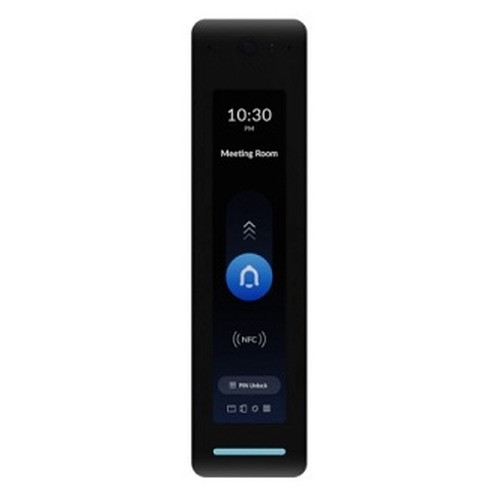
Both the UA-G3-PRO-W and UA-G3-PRO-B are wall-mounted NFC access control readers from Ubiquiti's UniFi Access product family, designed for enterprise door-control deployments. Each reads ISO/IEC 14443 Type A/B credentials, draws power via 802.3af PoE, and integrates with the UniFi Access Control ecosystem. The comparison explores whether the white (W) and black (B) color variants differ in any specification beyond finish, using only the data provided in the supplied spec sheets.

In This Guide
- Do the UA-G3-PRO-W and UA-G3-PRO-B differ in credential support or power requirements?
- Are there any differences in build quality, environmental rating, or physical dimensions?
- Do the two models differ in certifications, compliance, or management platform integration?
- Which should you choose: the UA-G3-PRO-W or the UA-G3-PRO-B?
- Side-by-Side Specs
- FAQ
Do the UA-G3-PRO-W and UA-G3-PRO-B differ in credential support or power requirements?
Both readers support NFC (ISO/IEC 14443 Type A/B), enabling cards, key fobs, and mobile credentials. The UA-G3-PRO-W explicitly names ISO/IEC 14443 Type A/B in its specs; the UA-G3-PRO-B lists NFC card and key fob access without specifying the ISO sub-standard in the provided data.
Power delivery is identical across both units: 802.3af PoE at 6W and 48V DC. A single GbE RJ45 port handles both data and power on each model, eliminating dedicated power wiring at the reader location. No specification difference in power draw or port count is documented between the two variants.
Are there any differences in build quality, environmental rating, or physical dimensions?
Both readers share the same enclosure material (polycarbonate and glass), the same operating temperature range (–10 to 45 °C / 14 to 113 °F), and the same outdoor environment rating. Both weigh 0.300 lb and support wall or gang-box mounting with hardware included.
Dimensions present a data discrepancy: the UA-G3-PRO-W spec lists dimensions as 160" × 40.4" × 40.55" (likely a unit-label error — values consistent with millimeters), while the UA-G3-PRO-B correctly labels the same figures as 160 × 40.4 × 40.55 mm. The physical footprint is identical; only the unit notation in the W's spec sheet appears to be a labeling error. No structural or IP-rating difference is documented.
Do the two models differ in certifications, compliance, or management platform integration?
Certifications are identical for both: CE, FCC, IC, UL 294, and CAN/ULC-60839-11-1. Both are marked NDAA compliant. UL 294 certification is relevant for installers specifying readers on projects requiring listed access control equipment.
Management platform integration is functionally the same — both operate within the Ubiquiti UniFi Access Control ecosystem via the UniFi Management Console. The UA-G3-PRO-W labels the platform as 'UniFi Management Console' while the UA-G3-PRO-B refers to it as the 'Ubiquiti UniFi Access Control Ecosystem'; no functional difference is documented in the provided specifications. Neither model lists a standalone operation mode or third-party controller compatibility in the supplied data.
Which should you choose: the UA-G3-PRO-W or the UA-G3-PRO-B?
Our take: The UA-G3-PRO-W and UA-G3-PRO-B are functionally identical products based on all provided specifications; the only documented difference is housing color — white versus black. Both deliver identical NFC (ISO/IEC 14443 Type A/B) credential support, identical 802.3af PoE power draw of 6W at 48V DC, identical dimensions of 160 × 40.4 × 40.55 mm, identical operating range of –10 to 45 °C, identical certifications (UL 294, CE, FCC, IC, CAN/ULC-60839-11-1), and identical NDAA compliance. Selection should therefore be driven entirely by architectural finish: specify the UA-G3-PRO-W for white-finished door frames and interior lobbies where a white reader blends with the surroundings, and the UA-G3-PRO-B for dark, black-anodized, or industrial door hardware. Both are appropriate for outdoor perimeter or interior enterprise deployments running the UniFi Access Control platform.
Side-by-Side Comparison
Spec-for-spec, from manufacturer data.
| Specification | Ubiquiti UA-G3-PRO-W | Ubiquiti UA-G3-PRO-B |
|---|---|---|
| SKU | UA-G3-PRO-W | UA-G3-PRO-B |
| Housing Color | White | Black |
| Reader Technology | NFC (ISO/IEC 14443 Type A/B) | NFC (Card & Keyfob Access) |
| Form Factor | Wall-mounted terminal | Wall-mount terminal |
| Power Standard | 802.3af PoE | 802.3af PoE |
| Power Consumption | 6W | 6W |
| Supply Voltage | 48V DC | 48V DC |
| Network Port | (1) GbE RJ45 | (1) GbE RJ45 |
| Dimensions | 160 × 40.4 × 40.55 mm* | 160 × 40.4 × 40.55 mm |
| Weight | 0.300 lb | 0.300 lb |
| Operating Temperature | –10 to 45 °C (14 to 113 °F) | –10 to 45 °C (14 to 113 °F) |
| Environment Rating | Indoor and outdoor | Indoor/Outdoor |
| Enclosure Material | Polycarbonate, glass | Polycarbonate, glass |
| Mount Type | Wall, gang-box (included) | Surface or flush wall mount (included) |
| Certifications | CE, FCC, IC, UL 294, CAN/ULC-60839-11-1 | CE, FCC, IC, UL 294, CAN/ULC-60839-11-1 |
| NDAA Compliant | Yes | Yes |
| Management Platform | UniFi Management Console | UniFi Access Control Ecosystem |
| Country of Origin | CN | CN |
Frequently Asked Questions
Which should you choose: the UA-G3-PRO-W or the UA-G3-PRO-B?
The UA-G3-PRO-W and UA-G3-PRO-B are functionally identical products based on all provided specifications; the only documented difference is housing color — white versus black. Both deliver identical NFC (ISO/IEC 14443 Type A/B) credential support, identical 802.3af PoE power draw of 6W at 48V DC, identical dimensions of 160 × 40.4 × 40.55 mm, identical operating range of –10 to 45 °C, identical certifications (UL 294, CE, FCC, IC, CAN/ULC-60839-11-1), and identical NDAA compliance. Selection should therefore be driven entirely by architectural finish: specify the UA-G3-PRO-W for white-finished door frames and interior lobbies where a white reader blends with the surroundings, and the UA-G3-PRO-B for dark, black-anodized, or industrial door hardware. Both are appropriate for outdoor perimeter or interior enterprise deployments running the UniFi Access Control platform.
Is there any technical difference between the UA-G3-PRO-W and UA-G3-PRO-B, or is it just color?
Based on the provided specifications, no technical difference is documented. Both models share identical NFC credential support, PoE power requirements (802.3af, 6W, 48V DC), dimensions, operating temperature range, certifications, NDAA compliance status, enclosure materials, and UniFi management integration. The only stated difference is housing color: white (W) versus black (B).
Are both the UA-G3-PRO-W and UA-G3-PRO-B rated for outdoor installation?
Yes. Both models carry an outdoor environment rating and an operating temperature range of –10 to 45 °C (14 to 113 °F) per the supplied specs. Both also share UL 294 and CAN/ULC-60839-11-1 certifications. Neither spec sheet lists a specific IP ingress protection rating in the provided data, so installers with strict IP-code requirements should consult the official Ubiquiti datasheets for that detail.
Can either reader work with non-Ubiquiti access control panels or software?
The provided specifications for both the UA-G3-PRO-W and UA-G3-PRO-B reference only the UniFi Access Control ecosystem and UniFi Management Console as the management platform. No third-party controller compatibility or Wiegand/OSDP output is listed in the supplied spec data. Buyers requiring integration with non-UniFi panels should verify compatibility directly with Ubiquiti before specifying either model.
More Access Control Reader Comparisons
- Ubiquiti UA-G3-PRO-W vs Axis A4612
- Ubiquiti UA-G3-PRO-W vs Axis 02909-001
- Ubiquiti UA-G3-PRO-W vs Speco Technologies APCR35L
- Ubiquiti UA-G3-PRO-W vs Camden CV-7600
- Ubiquiti UA-G3-PRO-B vs Axis A4612
- Ubiquiti UA-G3-PRO-B vs Axis 02909-001
Access Control Reader Buying Guides
Get a Second Opinion on Your Camera Choice
Share your site layout, coverage goals, and budget. Our team will validate the camera selection, flag anything we would change, and recommend products that match the use case.