
Ubiquiti UA-G3-PRO-B vs Axis A4612: Specification Comparison
Both the Ubiquiti UA-G3-PRO-B and the Axis A4612 are PoE-powered, wall-mounted network access control readers rated for indoor and outdoor deployment — a product class buyers evaluate when specifying door-level credential readers for commercial and enterprise access control systems. The comparison turns on credential technology (NFC/card-and-keyfob versus Bluetooth-mobile-plus-RFID), physical form factor, ecosystem lock-in, warranty coverage, and certified compliance breadth — all of which carry real weight in enterprise procurement and system design decisions.
In This Guide
- What credential types and communication technologies does each reader support?
- How do power requirements, operating environment ratings, and physical mounting compare?
- Which reader offers broader compliance certifications, warranty coverage, and ecosystem flexibility?
- Which should you choose: the UA-G3-PRO-B or the A4612?
- Side-by-Side Specs
- FAQ
What credential types and communication technologies does each reader support?
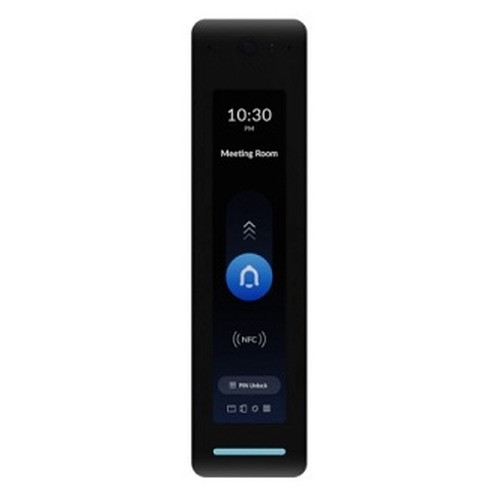
The UA-G3-PRO-B is specified as an NFC reader supporting card and keyfob access. No Bluetooth mobile credential support is listed in its specifications. It connects via a single GbE RJ45 port and operates within the Ubiquiti UniFi Access Control Ecosystem exclusively.
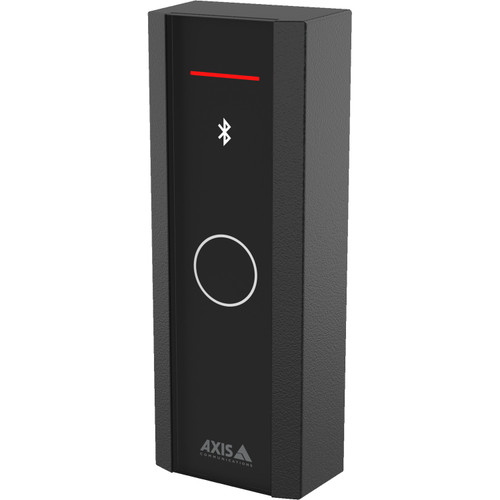
The Axis A4612 is specified as a dual-mode reader supporting both Bluetooth mobile credentials and RFID cards over an IP-based connection. This means end users can present a smartphone credential without a physical card — a capability absent from the UA-G3-PRO-B's published specifications.
For deployments where mobile-credential or touchless access is a stated requirement, the A4612's dual Bluetooth-plus-RFID support addresses that need directly. The UA-G3-PRO-B's NFC-only credential set is suited to sites standardized on physical cards and keyfobs within the UniFi platform.
How do power requirements, operating environment ratings, and physical mounting compare?
Both readers are PoE-powered, eliminating separate power runs to each door. The UA-G3-PRO-B specifies PoE 802.3af at 6 W and 48 V DC, with dimensions of 160 × 40.4 × 40.55 mm and a weight of 0.300 lb. It mounts to a wall or gang box using an included bracket and is constructed from polycarbonate and glass.
The UA-G3-PRO-B carries a documented operating temperature range of –10 to 45 °C (14 to 113 °F). The Axis A4612 is described as weather-resistant and rated for indoor and outdoor use; however, its published specifications do not state a discrete operating temperature range, power consumption figure in watts, or exact physical dimensions.
The A4612 uses a mullion-mount form factor, designed for the narrow vertical face of a door frame — a meaningful installation constraint where gang-box mounting is unavailable. The UA-G3-PRO-B's wall and gang-box mount is the more common North American rough-in. Installers must confirm door-frame geometry before specifying either unit.
Which reader offers broader compliance certifications, warranty coverage, and ecosystem flexibility?
The UA-G3-PRO-B lists CE, FCC, IC, UL 294, and CAN/ULC-60839-11-1 certifications. UL 294 is the North American standard specifically for access control units and is frequently required by AHJs, insurance underwriters, and enterprise security policies. CAN/ULC-60839-11-1 extends that coverage into Canadian jurisdictions.
The Axis A4612 specifications do not list specific certification marks such as UL 294 or CAN/ULC-60839-11-1. Buyers with AHJ or insurer-mandated UL 294 requirements should verify Axis's published compliance documentation directly before specifying the A4612.
The A4612 carries a stated 5-Year Warranty. The UA-G3-PRO-B is listed only as 'Manufacturer Warranty' with no duration specified in the provided data. On warranty term alone, the A4612's 5-year coverage is the more quantifiable commitment. Both readers are ecosystem-dependent: the UA-G3-PRO-B requires UniFi Access infrastructure; the A4612 is IP-based and integrates with Axis's ACAP-compatible ecosystem, which may offer broader third-party VMS and access-control-server compatibility — though specific integrations are not enumerated in the provided specifications.
Which should you choose: the UA-G3-PRO-B or the A4612?
Our take: The UA-G3-PRO-B is the stronger choice when the site is already standardized on Ubiquiti UniFi Access hardware, physical card/keyfob credentials are sufficient, and UL 294 / CAN/ULC-60839-11-1 certification is a hard procurement requirement — all three of which are documented in its specs while the A4612 does not list equivalent marks. Conversely, the Axis A4612 is the stronger choice when mobile Bluetooth credentials are required alongside RFID, when a mullion-mount form factor fits the door-frame geometry, or when a quantified 5-year warranty term matters to the customer's asset lifecycle policy — the UA-G3-PRO-B's warranty duration is unspecified. The UA-G3-PRO-B's 6 W / 802.3af power draw is confirmed; the A4612's equivalent figure is not stated. Platform dependency is decisive: neither reader operates outside its respective ecosystem.
Side-by-Side Comparison
Spec-for-spec, from manufacturer data.
| Specification | Ubiquiti UA-G3-PRO-B | Axis A4612 |
|---|---|---|
| Product Type | NFC Access Control Reader | Network Bluetooth + RFID Reader |
| Credential Technologies | NFC — card and keyfob | Bluetooth mobile credentials + RFID cards |
| Form Factor / Mount Style | Wall / gang-box mount (included) | Mullion-mount |
| Power Standard | PoE 802.3af | PoE (standard not specified) |
| Power Consumption | 6 W | — |
| Supply Voltage | 48 V DC | — |
| Operating Temperature | –10 to 45 °C (14 to 113 °F) | — |
| Environment Rating | Indoor / Outdoor | Indoor / Outdoor, weather-resistant |
| Connectivity / Port | (1) GbE RJ45 | IP-based (port detail not specified) |
| Ecosystem / Platform | UniFi Access Control | Axis IP-based ecosystem |
| Enclosure Material | Polycarbonate, glass | — |
| Dimensions | 160 × 40.4 × 40.55 mm | — |
| Weight | 0.300 lb | — |
| Certifications | CE, FCC, IC, UL 294, CAN/ULC-60839-11-1 | — |
| NDAA Compliant | Yes | — |
| Warranty | Manufacturer Warranty (duration not specified) | 5-Year Warranty |
| Country of Origin | CN | — |
Frequently Asked Questions
Which should you choose: the UA-G3-PRO-B or the A4612?
The UA-G3-PRO-B is the stronger choice when the site is already standardized on Ubiquiti UniFi Access hardware, physical card/keyfob credentials are sufficient, and UL 294 / CAN/ULC-60839-11-1 certification is a hard procurement requirement — all three of which are documented in its specs while the A4612 does not list equivalent marks. Conversely, the Axis A4612 is the stronger choice when mobile Bluetooth credentials are required alongside RFID, when a mullion-mount form factor fits the door-frame geometry, or when a quantified 5-year warranty term matters to the customer's asset lifecycle policy — the UA-G3-PRO-B's warranty duration is unspecified. The UA-G3-PRO-B's 6 W / 802.3af power draw is confirmed; the A4612's equivalent figure is not stated. Platform dependency is decisive: neither reader operates outside its respective ecosystem.
Can the Axis A4612 accept mobile phone credentials where the UA-G3-PRO-B cannot?
Yes, based on the published specifications. The A4612 is specified to support Bluetooth mobile credentials in addition to RFID cards. The UA-G3-PRO-B is specified as an NFC reader supporting cards and keyfobs only — no Bluetooth or mobile credential capability is listed in its specifications.
Does either reader carry UL 294 certification for compliance-sensitive installations?
The UA-G3-PRO-B lists UL 294 and CAN/ULC-60839-11-1 among its certifications. The Axis A4612's provided specifications do not list UL 294 or an equivalent North American access-control-unit standard. Buyers with AHJ-mandated or insurer-required UL 294 compliance should verify Axis's official documentation before specifying the A4612.
Which reader has a longer warranty, and does mounting style affect which one I can use?
The Axis A4612 carries a stated 5-year warranty. The UA-G3-PRO-B lists only 'Manufacturer Warranty' with no term specified in the available data. On mounting: the A4612 uses a mullion-mount designed for narrow door frames, while the UA-G3-PRO-B mounts to a standard wall or gang box with an included bracket. The physically correct option depends on the door-frame geometry at each opening.
More Access Control Reader Comparisons
- Ubiquiti UA-G3-PRO-W vs Axis A4612
- Ubiquiti UA-G3-PRO-W vs Axis 02909-001
- Ubiquiti UA-G3-PRO-W vs Speco Technologies APCR35L
- Ubiquiti UA-G3-PRO-W vs Camden CV-7600
- Ubiquiti UA-G3-PRO-W vs Ubiquiti UA-G3-PRO-B
- Ubiquiti UA-G3-PRO-B vs Axis 02909-001
Access Control Reader Buying Guides
Get a Second Opinion on Your Camera Choice
Share your site layout, coverage goals, and budget. Our team will validate the camera selection, flag anything we would change, and recommend products that match the use case.