
Ubiquiti UA-G3-PRO-B vs Camden CV-7600: Specification Comparison
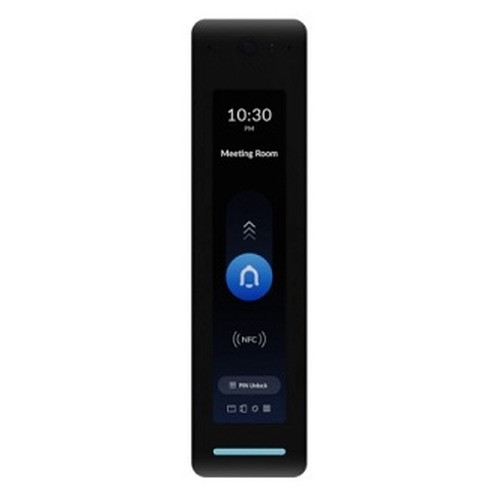
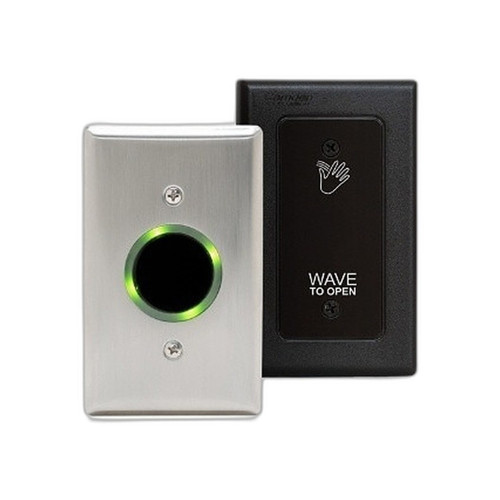
Both the Ubiquiti UA-G3-PRO-B and Camden CV-7600 are wall-mount access control readers operating in the 13.56 MHz contactless credential space, making them genuine cross-shop candidates for installers evaluating reader upgrades or new deployments. The UA-G3-PRO-B is a PoE-powered NFC reader tightly coupled to the UniFi Access ecosystem, while the CV-7600 is a multi-protocol smart card reader with BLE smartphone credential support and dual OSDP/Wiegand output, designed for controller-agnostic installations.
In This Guide
- Which reader supports the broader range of credentials and controller interfaces?
- How do the two readers differ in power sourcing, operating environment, and mounting options?
- What ecosystem lock-in, certifications, and management approach does each reader require?
- Which should you choose: the UA-G3-PRO-B or the CV-7600?
- Side-by-Side Specs
- FAQ
Which reader supports the broader range of credentials and controller interfaces?
The Camden CV-7600 specifies support for DESFire, MIFARE, HID, and NFC/13.56 MHz card formats, plus BLE smartphone credentials, giving installers a multi-technology reader suited to phased migrations or mixed-credential environments. Its dual OSDP and Wiegand output means it can connect to both modern and legacy access controllers without an adapter or converter.
The UA-G3-PRO-B specifies NFC (Card and Keyfob) credential support. No BLE smartphone credential capability, DESFire, HID, or OSDP output is listed in the provided specifications. Its sole listed interface is a single GbE RJ45 port operating within the UniFi Access ecosystem. Buyers requiring multi-format card support or controller-agnostic wiring should note that those capabilities are not documented for the UA-G3-PRO-B.
How do the two readers differ in power sourcing, operating environment, and mounting options?
The UA-G3-PRO-B draws power exclusively via PoE 802.3af (6W, 48V DC) over its GbE RJ45 port, eliminating a separate power supply at each reader location. Its specified operating temperature range is –10 to 45 °C, and it is rated for both indoor and outdoor use. Dimensions are 160 × 40.4 × 40.55 mm, with a polycarbonate and glass enclosure. Mounting is surface or flush wall mount via an included gang-box bracket.
The CV-7600 specifies a supply voltage of 14 VDC; no PoE capability is listed. Operating temperature range and IP/NEMA environmental rating are not provided in the available specifications. Mount options listed are wall, corner, and rack, offering more physical placement flexibility than the UA-G3-PRO-B. An environmental rating comparable to the UA-G3-PRO-B's outdoor rating cannot be confirmed from the CV-7600's published specs.
What ecosystem lock-in, certifications, and management approach does each reader require?
The UA-G3-PRO-B is explicitly designed for the Ubiquiti UniFi Access Control Ecosystem. Management is platform-native; no OSDP or Wiegand output is documented, meaning it cannot be integrated with third-party access controllers without additional Ubiquiti infrastructure. Certifications listed are CE, FCC, IC, UL 294, and CAN/ULC-60839-11-1. NDAA compliance is confirmed. Warranty terms are described only as 'Manufacturer Warranty' with no duration specified.
The CV-7600 specifies OSDP and Wiegand communication outputs, making it compatible with a wide range of third-party access control panels. No proprietary management platform is specified, which suits multi-vendor or existing-infrastructure deployments. Certifications are not listed in the provided specifications. The warranty is explicitly stated as three years. NDAA compliance status is not specified.
Which should you choose: the UA-G3-PRO-B or the CV-7600?
Our take: The UA-G3-PRO-B is the stronger choice when the deployment is standardized on the Ubiquiti UniFi Access ecosystem and PoE infrastructure, outdoor or mixed-environment coverage is required, and regulatory certifications (UL 294, CAN/ULC-60839-11-1, NDAA) are mandatory. Key spec deltas: the UA-G3-PRO-B delivers PoE 802.3af (6W, 48V DC) powering versus the CV-7600's 14 VDC hardwired supply, which adds a power run at each door; the UA-G3-PRO-B carries a confirmed outdoor rating at –10 to 45 °C while no environmental rating is published for the CV-7600; and the CV-7600 supports DESFire, MIFARE, HID, NFC, and BLE credentials across OSDP and Wiegand outputs versus the UA-G3-PRO-B's NFC-only, UniFi-only interface. Installers working on controller-agnostic, mixed-credential, or legacy-panel sites should evaluate the CV-7600, as its broader protocol support and three-year stated warranty address those requirements directly.
Side-by-Side Comparison
Spec-for-spec, from manufacturer data.
| Specification | Ubiquiti UA-G3-PRO-B | Camden CV-7600 |
|---|---|---|
| Credential Technologies | NFC (Card & Keyfob) | DESFire, MIFARE, HID, NFC/13.56 MHz, BLE |
| Smartphone/BLE Credentials | — | Yes (BLE) |
| Controller Interface / Output | UniFi Access Ecosystem (GbE RJ45) | OSDP; Wiegand |
| Power Source | PoE 802.3af | 14 VDC |
| Power Consumption | 6W | — |
| Operating Temperature | –10 to 45 °C | — |
| Environment Rating | Indoor/Outdoor | — |
| Mount Options | Wall (surface or flush, gang-box) | Wall; Corner; Rack |
| Enclosure Material | Polycarbonate, glass | — |
| Dimensions | 160 × 40.4 × 40.55 mm | — |
| Network Port | (1) GbE RJ45 | — |
| Audio | Microphone supported | Tone |
| Certifications | CE, FCC, IC, UL 294, CAN/ULC-60839-11-1 | — |
| NDAA Compliant | Yes | — |
| Warranty | Manufacturer Warranty (duration not specified) | 3 Years |
| Country of Origin | CN | — |
Frequently Asked Questions
Which should you choose: the UA-G3-PRO-B or the CV-7600?
The UA-G3-PRO-B is the stronger choice when the deployment is standardized on the Ubiquiti UniFi Access ecosystem and PoE infrastructure, outdoor or mixed-environment coverage is required, and regulatory certifications (UL 294, CAN/ULC-60839-11-1, NDAA) are mandatory. Key spec deltas: the UA-G3-PRO-B delivers PoE 802.3af (6W, 48V DC) powering versus the CV-7600's 14 VDC hardwired supply, which adds a power run at each door; the UA-G3-PRO-B carries a confirmed outdoor rating at –10 to 45 °C while no environmental rating is published for the CV-7600; and the CV-7600 supports DESFire, MIFARE, HID, NFC, and BLE credentials across OSDP and Wiegand outputs versus the UA-G3-PRO-B's NFC-only, UniFi-only interface. Installers working on controller-agnostic, mixed-credential, or legacy-panel sites should evaluate the CV-7600, as its broader protocol support and three-year stated warranty address those requirements directly.
Can either reader work with my existing third-party access control panel?
The CV-7600 outputs both OSDP and Wiegand, so it connects to most third-party and legacy access control panels. The UA-G3-PRO-B's specifications list only a GbE RJ45 port within the UniFi Access ecosystem; no OSDP or Wiegand output is documented, meaning it requires Ubiquiti UniFi Access infrastructure.
Does either reader support mobile or smartphone credentials?
The CV-7600 explicitly lists BLE smartphone credential support. The UA-G3-PRO-B's published specifications describe NFC Card and Keyfob access only; BLE or smartphone credential capability is not listed.
Which reader is better suited for outdoor door installations?
The UA-G3-PRO-B specifies an indoor/outdoor rating with an operating range of –10 to 45 °C and a polycarbonate/glass enclosure. No operating temperature range or outdoor/IP environmental rating is listed in the CV-7600's available specifications, so outdoor suitability cannot be confirmed for that model from the published data.
More Access Control Reader Comparisons
- Ubiquiti UA-G3-PRO-W vs Axis A4612
- Ubiquiti UA-G3-PRO-W vs Axis 02909-001
- Ubiquiti UA-G3-PRO-W vs Speco Technologies APCR35L
- Ubiquiti UA-G3-PRO-W vs Camden CV-7600
- Ubiquiti UA-G3-PRO-W vs Ubiquiti UA-G3-PRO-B
- Ubiquiti UA-G3-PRO-B vs Axis A4612
Access Control Reader Buying Guides
Get a Second Opinion on Your Camera Choice
Share your site layout, coverage goals, and budget. Our team will validate the camera selection, flag anything we would change, and recommend products that match the use case.