
Ubiquiti U7-PRO-XGS vs NETGEAR WBE710-100NAS: Specification Comparison
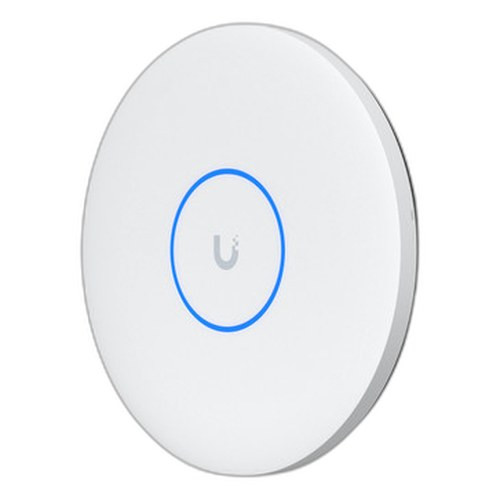
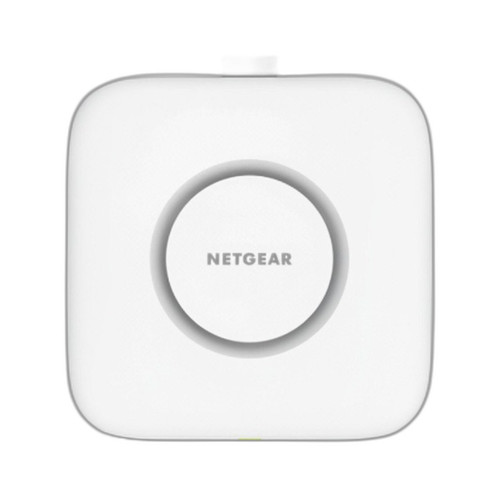
The Ubiquiti U7-PRO-XGS and NETGEAR WBE710-100NAS are both Wi-Fi 7 (802.11be) tri-band ceiling/wall-mount access points targeting enterprise and high-density deployments. Both deliver 10 Gbps-class wired backhaul capability and PoE++ power input, placing them in the same premium wireless infrastructure tier. This comparison examines uplink architecture and throughput, power input and environmental ratings, and management and deployment flexibility — the three axes most relevant to installers selecting an AP for a specific site and controller ecosystem.
In This Guide
- Which AP delivers more aggregate wireless throughput and how are the radios configured?
- How is each unit powered and what environmental conditions can it handle?
- How is each unit managed and what are the deployment and platform dependencies?
- Which should you choose: the U7-PRO-XGS or the WBE710-100NAS?
- Side-by-Side Specs
- FAQ
Which AP delivers more aggregate wireless throughput and how are the radios configured?
The U7-PRO-XGS specifies per-band throughput explicitly: 5.8 Gbps on 6 GHz (2×2), 8.6 Gbps on 5 GHz (4×4), and 688 Mbps on 2.4 GHz (2×2), for a total of roughly 15.1 Gbps across all three bands. It supports 8 total spatial streams and channel bandwidths up to 320 MHz. The wired uplink is a single 10 GbE RJ45 port with fallback to 5/2.5/1 GbE.
The WBE710-100NAS specifies 9.4 Gbps aggregate wireless throughput across its tri-band 802.11be radio. Per-band figures are not broken out in the provided specs. The wired uplink speed is listed as 10G and the unit is powered via a 2.5G PoE input port — the spec data does not clarify whether the 10G uplink and the 2.5G PoE input are the same physical port or separate interfaces. Antenna gain is listed at 4.1/4.6 dBi.
On paper, the U7-PRO-XGS claims a significantly higher aggregate radio ceiling. However, the WBE710-100NAS per-band breakdown is absent from the provided specs, making a direct radio-by-radio comparison impossible from the data on hand.
How is each unit powered and what environmental conditions can it handle?
The U7-PRO-XGS requires PoE++ (802.3bt) at 42.5–57V DC and draws up to 29W. It is rated for –30 to 40°C (–22 to 104°F) operating temperature, making it suitable for unconditioned spaces such as warehouses or parking structures. The enclosure is UV-stabilized polycarbonate with aluminum alloy, and the mount hardware is stainless steel (SUS304) and galvanized steel (SGCC). It weighs 800 g.
The WBE710-100NAS is powered via a 2.5G PoE++ (802.3bt) input. Its operating temperature is listed only as 'Industrial' in the provided specs — a qualitative descriptor without a numeric range, so a direct temperature comparison cannot be made. The enclosure is listed as plastic. No weight is specified in the provided data.
The U7-PRO-XGS provides a concrete, verifiable thermal envelope. The WBE710-100NAS's 'Industrial' designation may imply an extended range, but no specific degree values are available in the supplied specs to confirm this.
How is each unit managed and what are the deployment and platform dependencies?
The U7-PRO-XGS is managed via Ethernet and is explicitly compatible with Ubiquiti's UniFi ecosystem. The spec notes dedicated spectral scanning radio capability for live RF analysis without interrupting client traffic. It supports meshing and is NDAA compliant. Coverage area is specified at 160 m² (1,750 ft²) with support for 500+ concurrent clients. Certifications include CE, FCC, IC, and Anatel.
The WBE710-100NAS is listed in the provided specs as 'Unmanaged' for the Management field, yet a separate field notes 'Bandwidth Management enabled.' This is an internal inconsistency in the supplied spec data and cannot be resolved here. No client capacity figure, coverage area, or supported controller platform is stated in the provided specs. Wall and ceiling mounting options are confirmed.
The U7-PRO-XGS has a clearly defined management platform (UniFi), a stated client density ceiling, and NDAA compliance documentation. The WBE710-100NAS management architecture cannot be fully characterized from the available data due to conflicting spec entries.
Which should you choose: the U7-PRO-XGS or the WBE710-100NAS?
Our take: The U7-PRO-XGS is the stronger choice when deploying into a UniFi-managed environment that demands verified high-density client support, a fully specified thermal envelope, and NDAA compliance. It specifies 15.1 Gbps combined radio throughput versus 9.4 Gbps aggregate for the WBE710-100NAS, supports 500+ concurrent clients against no stated figure for the NETGEAR, and provides a concrete –30 to 40°C operating range where the WBE710-100NAS supplies only the qualitative label 'Industrial.' The U7-PRO-XGS also carries an explicit NDAA-compliant designation, relevant for government and regulated-sector projects. The WBE710-100NAS may suit buyers outside the UniFi ecosystem or those for whom the NETGEAR platform is a requirement, but its management architecture, client capacity, and per-band radio breakdown cannot be fully evaluated from the specs provided.
Side-by-Side Comparison
Spec-for-spec, from manufacturer data.
| Specification | Ubiquiti U7-PRO-XGS | NETGEAR WBE710-100NAS |
|---|---|---|
| WiFi Standard | WiFi 7 (802.11be) | WiFi 7 (802.11be) |
| Band Configuration | Tri-band (6/5/2.4 GHz) | Tri-band (802.11be) |
| Aggregate Wireless Throughput | ~15.1 Gbps (5.8+8.6+0.688) | 9.4 Gbps |
| 6 GHz Throughput | 5.8 Gbps | — |
| 5 GHz Throughput | 8.6 Gbps | — |
| 2.4 GHz Throughput | 688 Mbps | — |
| Spatial Streams | 8 (2+4+2) | — |
| Channel Bandwidth | 20/40/80/160/240/320 MHz | — |
| Wired Uplink Speed | 10 GbE (fallback 5/2.5/1 GbE) | 10G |
| Power Input | PoE++ (802.3bt), 42.5–57V DC | 2.5G PoE++ (802.3bt) |
| Power Consumption | 29W | — |
| Operating Temperature | -30 to 40°C (-22 to 104°F) | Industrial (no numeric range specified) |
| Coverage Area | 160 m² (1,750 ft²) | — |
| Max Concurrent Clients | 500+ | — |
| NDAA Compliant | Yes | — |
| Warranty | Manufacturer Warranty (duration not specified) | 5 years |
Frequently Asked Questions
Which should you choose: the U7-PRO-XGS or the WBE710-100NAS?
The U7-PRO-XGS is the stronger choice when deploying into a UniFi-managed environment that demands verified high-density client support, a fully specified thermal envelope, and NDAA compliance. It specifies 15.1 Gbps combined radio throughput versus 9.4 Gbps aggregate for the WBE710-100NAS, supports 500+ concurrent clients against no stated figure for the NETGEAR, and provides a concrete –30 to 40°C operating range where the WBE710-100NAS supplies only the qualitative label 'Industrial.' The U7-PRO-XGS also carries an explicit NDAA-compliant designation, relevant for government and regulated-sector projects. The WBE710-100NAS may suit buyers outside the UniFi ecosystem or those for whom the NETGEAR platform is a requirement, but its management architecture, client capacity, and per-band radio breakdown cannot be fully evaluated from the specs provided.
Is the U7-PRO-XGS or WBE710-100NAS better for larger, high-density deployments?
Based on the provided specs, the U7-PRO-XGS specifies support for 500+ concurrent clients across 160 m² (1,750 ft²). The WBE710-100NAS does not state a client capacity or coverage area in the available spec data, so a direct comparison on density cannot be made. Installers requiring a documented client ceiling should note this gap before specifying the NETGEAR unit.
Can either AP be powered by a standard PoE switch, or do both require PoE++?
Both units require PoE++ (802.3bt). The U7-PRO-XGS specifies 42.5–57V DC at up to 29W and explicitly calls out 802.3bt. The WBE710-100NAS is listed as powered via a 2.5G PoE++ (802.3bt) input. A standard 802.3af (15.4W) or 802.3at (30W) PoE switch will not power either unit — a PoE++ (802.3bt, up to 90W) capable switch or injector is required for both.
Does either AP require a proprietary controller, or can they be managed independently?
The U7-PRO-XGS is designed for Ubiquiti's UniFi controller ecosystem. The WBE710-100NAS is listed in the provided specs as 'Unmanaged,' with a separate note indicating 'Bandwidth Management enabled' — this conflict in the spec data is not resolvable from the information supplied. Buyers intending to integrate either unit into a third-party or existing controller platform should consult vendor documentation beyond the specs provided here.
Get a Second Opinion on Your Camera Choice
Share your site layout, coverage goals, and budget. Our team will validate the camera selection, flag anything we would change, and recommend products that match the use case.