
Ubiquiti U7-PRO-XGS vs TP-Link EAP775-WALL: Specification Comparison
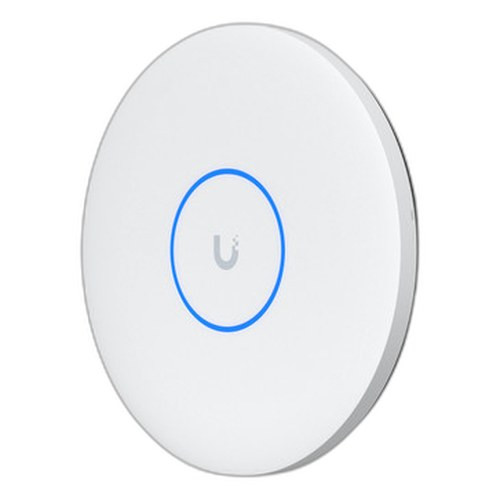
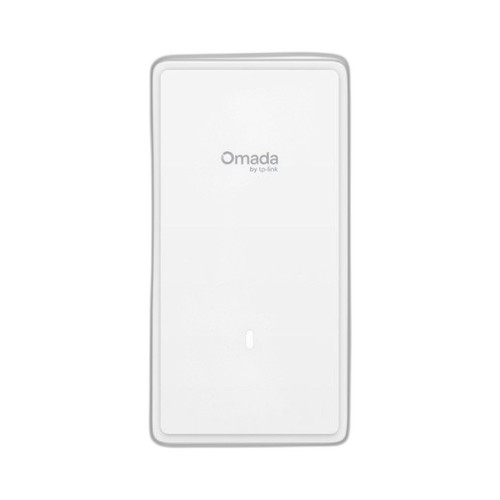
The Ubiquiti U7-PRO-XGS and TP-Link EAP775-WALL are both Wi-Fi 7 (802.11be) wireless access points aimed at enterprise and commercial deployments, making them legitimate cross-shop candidates for IT buyers evaluating Wi-Fi 7 infrastructure. However, they target meaningfully different installation scenarios: the U7-PRO-XGS is a ceiling-mount AP with a 10 GbE uplink engineered for high-density open spaces, while the EAP775-WALL is a wall-plate form factor suited to in-wall drops where overhead mounting is impractical. This comparison evaluates radio performance and throughput, physical deployment and power requirements, and management ecosystem fit.
In This Guide
- Which access point delivers higher throughput and how do their radio configurations compare?
- How do installation form factor, power requirements, and operating environment differ between these two APs?
- What management platforms and ecosystem integrations does each access point support?
- Which should you choose: the U7-PRO-XGS or the EAP775-WALL?
- Side-by-Side Specs
- FAQ
Which access point delivers higher throughput and how do their radio configurations compare?
The U7-PRO-XGS is a tri-band (2.4 GHz / 5 GHz / 6 GHz) Wi-Fi 7 access point with stated per-band throughput of 688 Mbps (2.4 GHz), 8.6 Gbps (5 GHz), and 5.8 Gbps (6 GHz), supported by 8 spatial streams distributed as 2x2 on 2.4 GHz, 4x4 on 5 GHz, and 2x2 on 6 GHz. Channel bandwidth extends to 320 MHz. The specifications list support for 500+ concurrent clients across a coverage area of 160 m² (approximately 1,750 sq ft).
The EAP775-WALL carries a BE11000 designation, which conventionally implies tri-band aggregate throughput of approximately 11 Gbps, and the specifications confirm 2.4 GHz and 5 GHz dual-band frequency support. However, the provided specifications do not explicitly confirm 6 GHz band support, per-band throughput figures, spatial stream count, or maximum channel bandwidth for this model. The BE11000 marketing designation and Wi-Fi 7 classification suggest a tri-band radio, but no verified per-band numbers are available in the supplied data. Buyers should confirm 6 GHz and stream configuration directly with TP-Link before specifying.
How do installation form factor, power requirements, and operating environment differ between these two APs?
The U7-PRO-XGS uses a ceiling-mount form factor (⌀215 × 32.5 mm, 800 g) with a UV-stabilized polycarbonate and aluminum alloy enclosure. It requires PoE++ (802.3bt) at 29 W, operating over a 42.5–57 V DC input range from a single 10 GbE RJ45 port that also falls back to 5/2.5/1 GbE. Its rated operating temperature is −30 to 40 °C, making it suitable for environments such as warehouses or covered outdoor-adjacent spaces. The mount hardware is stainless steel (SUS304) and galvanized steel (SGCC), indicating a durable installation kit.
The EAP775-WALL is a wall-plate access point, designed to drop into a standard in-wall electrical box — the appropriate choice where ceiling cable runs are unavailable or aesthetically undesirable, such as hotel corridors or classrooms with dropped ceilings. Its specified power input is PoE (standard tier; specific 802.3 clause not confirmed in the provided specs). Maximum cable range is listed as 100 m. The provided specifications do not include explicit dimensions, weight, operating temperature range, or enclosure material for the EAP775-WALL. The U7-PRO-XGS carries NDAA compliance certification; NDAA status for the EAP775-WALL is not stated in the supplied data.
What management platforms and ecosystem integrations does each access point support?
The U7-PRO-XGS is managed via Ubiquiti's UniFi ecosystem, with Ethernet-based management noted in the specifications. It supports meshing and includes a dedicated spectral scanning radio (per product description) that enables live RF analysis without disrupting client traffic. Certifications include CE, FCC, IC, and Anatel, supporting deployment in North America, the EU, and Brazil. The product carries NDAA compliance, relevant for U.S. federal and government-adjacent deployments.
The EAP775-WALL is managed through TP-Link's Omada SDN platform, which provides centralized controller-based management — either via a hardware controller, software controller, or Omada Cloud. The specifications confirm WPA3 encryption and note Bluetooth IoT capability. Operating modes listed include Access Point and Mesh. The Omada ecosystem is well-established for multi-site SMB and mid-market deployments. However, the provided specifications do not confirm NDAA compliance, regulatory certifications, or the specific Omada controller version required for Wi-Fi 7 feature support.
Which should you choose: the U7-PRO-XGS or the EAP775-WALL?
Our take: The U7-PRO-XGS is the stronger choice when maximum throughput, high client density, and a 10 GbE backhaul are the primary requirements. Its 10 GbE uplink versus the EAP775-WALL's standard PoE port eliminates backhaul bottlenecks in bandwidth-intensive environments, and its explicitly documented 500+ concurrent client support and 160 m² coverage area give installers concrete design parameters. The U7-PRO-XGS also carries a verified −30 to 40 °C operating range and NDAA compliance — specs absent from the EAP775-WALL's provided data. Conversely, the EAP775-WALL's wall-plate form factor serves installations where overhead cabling is impractical and per-port in-room drops are the standard run — a scenario the ceiling-only U7-PRO-XGS cannot address. Buyers on the TP-Link Omada platform benefit from ecosystem continuity. Specify the U7-PRO-XGS for high-density open spaces on UniFi; specify the EAP775-WALL for corridor or hospitality installs on Omada, subject to confirming 6 GHz and throughput specs with TP-Link.
Side-by-Side Comparison
Spec-for-spec, from manufacturer data.
| Specification | Ubiquiti U7-PRO-XGS | TP-Link EAP775-WALL |
|---|---|---|
| Wi-Fi Standard | Wi-Fi 7 (802.11be) | Wi-Fi 7 (802.11be) |
| Form Factor | Ceiling Mount | Wall Plate |
| Frequency Bands | 2.4 GHz / 5 GHz / 6 GHz (tri-band) | 2.4 GHz / 5 GHz (dual-band confirmed; 6 GHz not confirmed in specs) |
| Aggregate Throughput | 15.088 Gbps (688 Mbps + 8.6 Gbps + 5.8 Gbps) | BE11000 (~11 Gbps marketing designation; per-band figures not in specs) |
| Spatial Streams | 8 (2x2 @ 2.4 GHz, 4x4 @ 5 GHz, 2x2 @ 6 GHz) | — |
| Max Channel Bandwidth | 320 MHz | — |
| Uplink Port | (1) 10 GbE RJ45 | — |
| Power Type | PoE++ (802.3bt) | PoE (clause not specified in specs) |
| Power Consumption | 29 W | — |
| Coverage Area | 160 m² (1,750 ft²) | — |
| Max Concurrent Clients | 500+ | — |
| Operating Temperature | −30 to 40 °C (−22 to 104 °F) | — |
| Management Platform | Ubiquiti UniFi | TP-Link Omada SDN |
| Encryption | — | WPA3 |
| Meshing | Yes | Yes (Mesh mode listed) |
| NDAA Compliant | Yes | — |
| Certifications | CE, FCC, IC, Anatel | — |
| Dimensions | ⌀215 × 32.5 mm | — |
| Weight | 800 g (1.8 lb) | — |
| Enclosure Material | UV-stabilized polycarbonate, aluminum alloy | — |
Frequently Asked Questions
Which should you choose: the U7-PRO-XGS or the EAP775-WALL?
The U7-PRO-XGS is the stronger choice when maximum throughput, high client density, and a 10 GbE backhaul are the primary requirements. Its 10 GbE uplink versus the EAP775-WALL's standard PoE port eliminates backhaul bottlenecks in bandwidth-intensive environments, and its explicitly documented 500+ concurrent client support and 160 m² coverage area give installers concrete design parameters. The U7-PRO-XGS also carries a verified −30 to 40 °C operating range and NDAA compliance — specs absent from the EAP775-WALL's provided data. Conversely, the EAP775-WALL's wall-plate form factor serves installations where overhead cabling is impractical and per-port in-room drops are the standard run — a scenario the ceiling-only U7-PRO-XGS cannot address. Buyers on the TP-Link Omada platform benefit from ecosystem continuity. Specify the U7-PRO-XGS for high-density open spaces on UniFi; specify the EAP775-WALL for corridor or hospitality installs on Omada, subject to confirming 6 GHz and throughput specs with TP-Link.
Is the U7-PRO-XGS or EAP775-WALL better for a high-density warehouse or large open-plan office?
Based on the provided specifications, the U7-PRO-XGS is the more clearly documented choice for high-density open spaces. It lists support for 500+ concurrent clients, a 160 m² (1,750 sq ft) coverage area, 8 spatial streams, and a 10 GbE uplink to handle aggregate throughput. The EAP775-WALL's equivalent client and coverage figures are not provided in its specifications, making a direct numerical comparison impossible. Its wall-plate form factor is also less suited to wide-open floor plans that benefit from centrally positioned ceiling mounts.
Do both APs require the same PoE switch infrastructure?
No. The U7-PRO-XGS requires PoE++ (802.3bt) at 29 W, which means your switch must supply 802.3bt Type 3 or Type 4 power — standard PoE or PoE+ switches will not power it. The EAP775-WALL's specifications list PoE as its power type but do not specify the 802.3 clause (af, at, or bt). Buyers should confirm the exact PoE budget requirement with TP-Link before selecting switch infrastructure for the EAP775-WALL.
Can these two APs be managed on the same platform or mixed in the same network?
No. The U7-PRO-XGS runs exclusively on Ubiquiti's UniFi management ecosystem, while the EAP775-WALL runs on TP-Link's Omada SDN platform. The two systems are not cross-compatible. If your site is already standardized on UniFi, the EAP775-WALL cannot be centrally managed alongside UniFi devices, and vice versa. Choose based on whichever management platform is already deployed — or plan for a single-vendor rollout if you are starting from scratch.
Get a Second Opinion on Your Camera Choice
Share your site layout, coverage goals, and budget. Our team will validate the camera selection, flag anything we would change, and recommend products that match the use case.