
Ubiquiti U7-PRO-XGS vs NETGEAR WBE750-100NAS: Specification Comparison
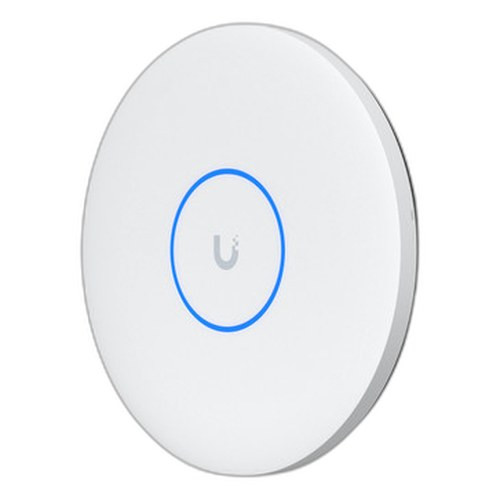
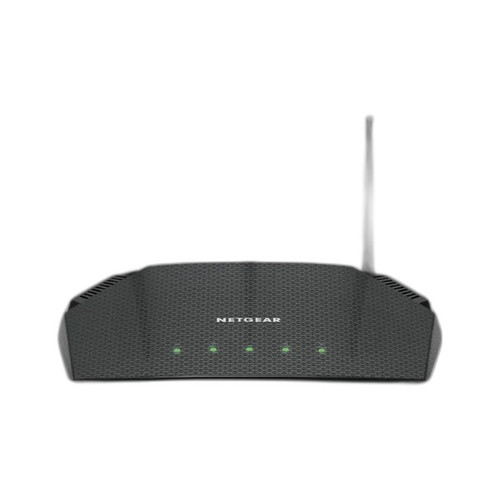
The Ubiquiti U7-PRO-XGS and NETGEAR WBE750-100NAS are both Wi-Fi 7 (802.11be) tri-band ceiling/wall-mount access points targeting enterprise and high-density deployments with 10 GbE uplinks. This comparison evaluates them across RF performance and spatial streams, power input and physical installation, and management platform and warranty — the three axes that most directly determine fit for an installer or IT buyer selecting an AP for a dense commercial or campus environment.
In This Guide
- Which AP delivers more aggregate throughput and how are the spatial streams allocated?
- What are the power input requirements and physical installation considerations for each unit?
- How does each AP integrate into an existing network management platform, and what is the warranty coverage?
- Which should you choose: the U7-PRO-XGS or the WBE750-100NAS?
- Side-by-Side Specs
- FAQ
Which AP delivers more aggregate throughput and how are the spatial streams allocated?
The NETGEAR WBE750-100NAS specifies an aggregate throughput of 18.4 Gbps across its tri-band 802.11be radio. No per-band breakdown is provided in the available specs, and antenna gain is listed as 4.1 / 4.6 dBi, though it is not stated which values apply to which bands.
The Ubiquiti U7-PRO-XGS specifies per-band throughput: 5.8 Gbps on 6 GHz, 8.6 Gbps on 5 GHz, and 688 Mbps on 2.4 GHz, summing to approximately 15.1 Gbps aggregate. The radio architecture is documented as 8 spatial streams distributed 2x2 (6 GHz) + 4x4 (5 GHz) + 2x2 (2.4 GHz). Channel bandwidth support spans 20 through 320 MHz. Coverage is rated at 160 m² (1,750 ft²) with support for 500+ concurrent clients. Antenna gain is not specified in the provided data.
On published aggregate figures, the WBE750-100NAS claims a higher headline number (18.4 Gbps vs. ~15.1 Gbps). However, the WBE750-100NAS provides no per-band breakdown or documented spatial-stream count, making a direct architectural comparison impossible from the available specs alone.
What are the power input requirements and physical installation considerations for each unit?
The Ubiquiti U7-PRO-XGS requires PoE++ (802.3bt) power, operating at 42.5–57V DC with a maximum consumption of 29W. It ships with a ceiling/wall Lite Mount. Physical dimensions are ⌀215 × 32.5 mm and weight is 800 g (1.8 lb). The enclosure is UV-stabilized polycarbonate with an aluminum alloy component; the mount hardware is stainless steel (SUS304) and galvanized steel (SGCC). Operating temperature is rated -30 to 40°C (-22 to 104°F), supporting outdoor-adjacent or industrial-edge environments. The single uplink port is 10 GbE RJ45 with fallback to 5/2.5/1 GbE.
The NETGEAR WBE750-100NAS lists its PoE power type contradictorily in the provided specs: the Power Type field states 802.3af (maximum 15.4W under that standard), while the Poe Power field states PoE++ (802.3bt). These two values are mutually inconsistent and cannot both be accurate — installers must verify the actual power requirement against the manufacturer datasheet before switch/injector selection. Enclosure is listed as plastic, mounting options are wall or ceiling, and warranty is 5 years. Operating temperature is listed only as 'Industrial' with no numeric range provided.
The U7-PRO-XGS provides unambiguous power spec (PoE++ / 802.3bt, 29W, 42.5–57V DC) and a documented temperature range. The WBE750-100NAS has a conflicting power-type entry and no numeric operating temperature, which are gaps installers should resolve before deployment planning.
How does each AP integrate into an existing network management platform, and what is the warranty coverage?
The Ubiquiti U7-PRO-XGS is managed via the UniFi ecosystem (Ethernet/controller-based management as listed). It supports meshing and includes a dedicated spectral scanning radio for live RF analysis without disrupting client traffic. The unit is NDAA compliant. Certifications include CE, FCC, IC, and Anatel. Warranty term is listed as 'Manufacturer Warranty' with no specific duration stated in the provided specs.
The NETGEAR WBE750-100NAS is managed through NETGEAR Insight Cloud, which provides a cloud-based management portal. The spec also references 'Bandwidth Management' as a management feature. Warranty is explicitly stated as 5 years — a concrete and competitive figure. NDAA compliance status is not stated in the provided specs.
Ecosystem fit is the primary differentiator here: the U7-PRO-XGS requires UniFi infrastructure and controller licensing considerations, while the WBE750-100NAS operates under NETGEAR Insight, which may carry its own subscription model. Installers already standardized on either platform will find switching costs significant. The WBE750-100NAS has a documented 5-year warranty; the U7-PRO-XGS warranty duration is not specified in the provided data. NDAA compliance is confirmed for the U7-PRO-XGS but unconfirmed for the WBE750-100NAS.
Which should you choose: the U7-PRO-XGS or the WBE750-100NAS?
Our take: The U7-PRO-XGS is the stronger choice when the deployment demands a documented spatial-stream architecture, a verified PoE++ power budget, a rated operating temperature range, and NDAA compliance — all confirmed in the provided specs. Its 8-stream radio (4x4 on 5 GHz), explicit per-band throughput figures (8.6 Gbps / 5.8 Gbps / 688 Mbps), 29W PoE++ draw at 42.5–57V DC, and -30 to 40°C operating range give installers the data needed for switch, cabling, and environmental planning. The WBE750-100NAS counters with a higher published aggregate throughput (18.4 Gbps vs. ~15.1 Gbps) and an explicit 5-year warranty, but its power-type field contains a direct contradiction (802.3af vs. PoE++/802.3bt) that must be resolved before procurement, and it lacks a numeric temperature rating, per-band breakdown, and NDAA status. Buyers in government or regulated environments should default to the U7-PRO-XGS; those already on NETGEAR Insight should verify the WBE750-100NAS power spec against the manufacturer datasheet before ordering.
Side-by-Side Comparison
Spec-for-spec, from manufacturer data.
| Specification | Ubiquiti U7-PRO-XGS | NETGEAR WBE750-100NAS |
|---|---|---|
| WiFi Standard | WiFi 7 (802.11be) | WiFi 7 (802.11be) |
| Band Configuration | Tri-band (6 / 5 / 2.4 GHz) | Tri-band (802.11be) |
| Aggregate Throughput | ~15.1 Gbps (5.8 + 8.6 + 0.688) | 18.4 Gbps |
| Per-Band Throughput | 6 GHz: 5.8 Gbps / 5 GHz: 8.6 Gbps / 2.4 GHz: 688 Mbps | — |
| Spatial Streams | 8 (2x2 + 4x4 + 2x2) | — |
| Channel Bandwidth | 20/40/80/160/240/320 MHz | — |
| Uplink Port | (1) 10 GbE RJ45 (fallback 5/2.5/1 GbE) | 10G Ethernet |
| Power Input | PoE++ (802.3bt) | Listed as both 802.3af and PoE++ (802.3bt) — verify with mfr |
| Max Power Consumption | 29W | — |
| Voltage Range | 42.5–57V DC | — |
| Operating Temperature | -30 to 40°C (-22 to 104°F) | Industrial (no numeric range provided) |
| Form Factor / Mount | Ceiling mount (⌀215 × 32.5 mm) | Wall / Ceiling mount |
| Weight | 800 g (1.8 lb) | — |
| Enclosure Material | UV-stabilized polycarbonate, aluminum alloy | Plastic |
| Management Platform | UniFi (Ethernet / controller) | NETGEAR Insight Cloud |
| Warranty | Not specified in provided specs | 5 years |
| NDAA Compliant | Yes | — |
| Concurrent Clients | 500+ | — |
| Coverage Area | 160 m² (1,750 ft²) | — |
| Certifications | CE, FCC, IC, Anatel | — |
Frequently Asked Questions
Which should you choose: the U7-PRO-XGS or the WBE750-100NAS?
The U7-PRO-XGS is the stronger choice when the deployment demands a documented spatial-stream architecture, a verified PoE++ power budget, a rated operating temperature range, and NDAA compliance — all confirmed in the provided specs. Its 8-stream radio (4x4 on 5 GHz), explicit per-band throughput figures (8.6 Gbps / 5.8 Gbps / 688 Mbps), 29W PoE++ draw at 42.5–57V DC, and -30 to 40°C operating range give installers the data needed for switch, cabling, and environmental planning. The WBE750-100NAS counters with a higher published aggregate throughput (18.4 Gbps vs. ~15.1 Gbps) and an explicit 5-year warranty, but its power-type field contains a direct contradiction (802.3af vs. PoE++/802.3bt) that must be resolved before procurement, and it lacks a numeric temperature rating, per-band breakdown, and NDAA status. Buyers in government or regulated environments should default to the U7-PRO-XGS; those already on NETGEAR Insight should verify the WBE750-100NAS power spec against the manufacturer datasheet before ordering.
Is the U7-PRO-XGS or WBE750-100NAS better for high-density deployments with 300+ concurrent clients?
The U7-PRO-XGS explicitly rates support for 500+ concurrent clients across 160 m² (1,750 ft²) and documents an 8-stream radio architecture (4x4 on 5 GHz alone), which is the configuration most relevant to high-density environments. The WBE750-100NAS does not specify a concurrent-client rating or spatial-stream count in the provided specs, so a direct comparison on that dimension cannot be made from available data.
Both list a 10G uplink — do they require the same PoE switch to power them?
No. The U7-PRO-XGS unambiguously requires PoE++ (802.3bt) at up to 29W, which means an 802.3bt-capable switch port or injector. The WBE750-100NAS has contradictory entries: one field states 802.3af (max 15.4W) and another states PoE++ (802.3bt). Installers must consult the NETGEAR manufacturer datasheet to determine the actual power class before selecting switching infrastructure.
Which unit is suitable for outdoor-edge or temperature-variable environments like warehouses or covered parking structures?
The U7-PRO-XGS is rated -30 to 40°C (-22 to 104°F) and uses a UV-stabilized polycarbonate enclosure with stainless-steel mount hardware, making it suitable for indoor environments with temperature extremes and indirect UV exposure. The WBE750-100NAS lists its operating temperature only as 'Industrial' with no numeric range provided in the available specs; the actual minimum/maximum must be confirmed from the manufacturer datasheet before deployment in variable-temperature environments.
Get a Second Opinion on Your Camera Choice
Share your site layout, coverage goals, and budget. Our team will validate the camera selection, flag anything we would change, and recommend products that match the use case.