
TSC 99-082A001-0001 vs TSC A001-0001: Specification Comparison
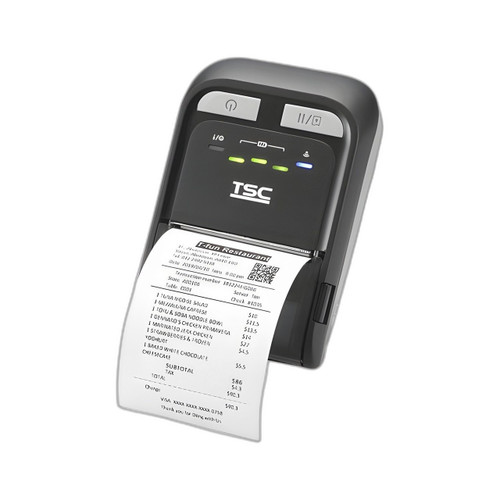
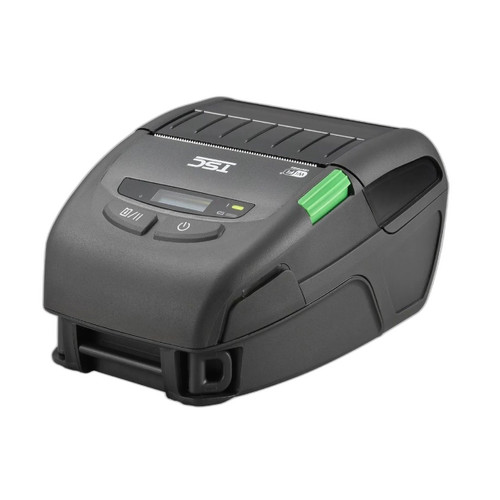
Both the TSC TDM-20B (99-082A001-0001) and TSC A30RP-A001-0001 are mobile direct thermal label and receipt printers sharing a 2.83-inch maximum print width, 203 dpi resolution, and support for labels, receipts, and linerless media. They target field and warehouse deployments where wireless, ribbon-free printing is required. This comparison evaluates the three dimensions most relevant to mobile printer procurement: print throughput and output quality, connectivity and device ecosystem compatibility, and display and operator interface — drawing exclusively from the provided specifications.
In This Guide
- Which printer delivers faster throughput at the same print resolution?
- How do the two printers differ in wireless connectivity and device ecosystem compatibility?
- What operator interface differences exist between the two models?
- Which should you choose: the 99-082A001-0001 or the A001-0001?
- Side-by-Side Specs
- FAQ
Which printer delivers faster throughput at the same print resolution?
Both units print at 203 dpi and support a maximum print width of 2.83 inches, so output quality and barcode compliance potential are identical on paper. The differentiating factor is raw print speed: the A30RP-A001-0001 is rated at 5 ips versus 4 ips for the 99-082A001-0001 — a 25 percent speed advantage. In continuous label or receipt runs, that gap translates to meaningfully higher throughput per shift. Both use direct thermal technology, eliminating ribbon consumables and the associated maintenance overhead. No duty-cycle, media roll capacity, or memory specifications are provided for either unit, so throughput comparisons beyond the rated ips figure cannot be made from the available data.
How do the two printers differ in wireless connectivity and device ecosystem compatibility?
The A30RP-A001-0001 specifies both Wi-Fi and Bluetooth MFi certification explicitly in its connectivity field. The 99-082A001-0001 lists Wi-Fi as its primary connectivity spec and separately notes Bluetooth MFi, but Bluetooth does not appear in its top-level Connectivity field — only in a secondary wireless attribute. Both units are therefore MFi certified for Apple device pairing, which matters in iOS-based WMS and field-service deployments. Neither spec set discloses supported Wi-Fi bands (2.4 GHz vs. 5 GHz), security protocols, or specific WMS SDK compatibility, so deeper network integration evaluation requires consulting the respective datasheets at the paths provided.
What operator interface differences exist between the two models?
The A30RP-A001-0001 specifies a Color LCD display. The 99-082A001-0001 specifies an LCD display without indicating color capability. The A30RP-A001-0001 also notes 'LCD with buttons' as a color attribute, suggesting a physical button control scheme alongside the color screen. A color display typically improves menu navigation, status visibility in variable lighting, and error identification speed — factors relevant in fast-paced field or warehouse environments. No touchscreen capability, screen resolution, or backlight specifications are disclosed for either model, so no further interface comparison can be drawn from the provided data.
Which should you choose: the 99-082A001-0001 or the A001-0001?
Our take: The A30RP-A001-0001 is the stronger choice when print throughput and operator interface clarity are the primary selection criteria. It delivers a rated 5 ips versus 4 ips on the 99-082A001-0001 — a 25 percent speed advantage at identical 203 dpi resolution and 2.83-inch print width. Its display is specified as Color LCD versus a non-color LCD on the TDM-20B, improving usability in variable lighting. Both units carry MFi Bluetooth and Wi-Fi, and both cover labels, receipts, and linerless media under a 2-year warranty, so those attributes do not differentiate. The 99-082A001-0001 remains a valid option where a lower unit cost is a factor — though no pricing is present in the provided specs — or where the simpler display interface is sufficient for the deployment. Organizations running Apple iOS-based WMS workflows will find both units compatible via MFi, but the A30RP-A001-0001's explicit dual-connectivity spec listing offers less integration ambiguity.
Side-by-Side Comparison
Spec-for-spec, from manufacturer data.
| Specification | TSC 99-082A001-0001 | TSC A001-0001 |
|---|---|---|
| Product Type | Mobile Printer | Mobile Printer |
| Print Method | Direct Thermal | Direct Thermal |
| Print Speed | 4 ips | 5 ips |
| Print Resolution | 203 dpi | 203 dpi |
| Maximum Print Width | 2.83 inches | 2.83 inches |
| Display Type | LCD | Color LCD |
| Media Compatibility | Labels, Receipts, Linerless | Labels, Receipts, Linerless |
| Wi-Fi | Yes | Yes |
| Bluetooth | MFi | MFi |
| Connectivity (top-level field) | Wi-Fi | Wi-Fi; Bluetooth (MFi) |
| Ribbon Required | No | No |
| Warranty | 2-Year | 2-Year |
| Form Factor | Mobile Printer | Mobile Printer |
| Datasheet | /content/product-datasheets/99-082A001-0001.pdf | /content/product-datasheets/A30RP-A001-0001.pdf |
Frequently Asked Questions
Which should you choose: the 99-082A001-0001 or the A001-0001?
The A30RP-A001-0001 is the stronger choice when print throughput and operator interface clarity are the primary selection criteria. It delivers a rated 5 ips versus 4 ips on the 99-082A001-0001 — a 25 percent speed advantage at identical 203 dpi resolution and 2.83-inch print width. Its display is specified as Color LCD versus a non-color LCD on the TDM-20B, improving usability in variable lighting. Both units carry MFi Bluetooth and Wi-Fi, and both cover labels, receipts, and linerless media under a 2-year warranty, so those attributes do not differentiate. The 99-082A001-0001 remains a valid option where a lower unit cost is a factor — though no pricing is present in the provided specs — or where the simpler display interface is sufficient for the deployment. Organizations running Apple iOS-based WMS workflows will find both units compatible via MFi, but the A30RP-A001-0001's explicit dual-connectivity spec listing offers less integration ambiguity.
Is the 99-082A001-0001 or A30RP-A001-0001 better for high-volume label runs in a warehouse?
The A30RP-A001-0001 is better suited for high-volume runs based on the provided specs. Its rated print speed of 5 ips versus 4 ips on the 99-082A001-0001 represents a 25 percent throughput advantage at the same 203 dpi resolution. Both support the same 2.83-inch maximum print width and direct thermal method, so the speed difference is the primary throughput differentiator available in the specifications.
Do both printers work with Apple iOS devices via Bluetooth?
Yes. Both the 99-082A001-0001 and A30RP-A001-0001 include Bluetooth MFi certification per the provided specifications, meaning both support Apple's Made for iPhone/iPad program for wireless pairing with iOS devices. The A30RP-A001-0001 lists Bluetooth MFi explicitly in its top-level connectivity field; the 99-082A001-0001 lists it in a secondary wireless attribute. Neither spec discloses specific iOS app compatibility, so verifying WMS SDK support with TSC directly is advised.
Are there any differences in media compatibility or warranty between these two models?
No. Both the 99-082A001-0001 and A30RP-A001-0001 support the same media types — labels, receipts, and linerless stock — and both carry a 2-year warranty per the provided specifications. Neither model's specs disclose maximum media roll diameter, core size, or media thickness tolerances, so site-specific media compatibility should be confirmed against the individual product datasheets.
More Label Printer Comparisons
- Sato WWCT04241-NAR vs Zebra ZD4A043-D01X01EZ
- Sato WWCT04241-NAR vs Zebra ZT41142-T010000Z
- Sato WWCT04241-NAR vs Zebra ZT41142-T31A000Z
- Sato WWCT04241-NAR vs Sato WWCT04441-WCN
- Sato WWCT04241-NAR vs Sato WWHC03041-WAN
- Sato WWCT04441-WCN vs Zebra ZD4A043-D01X01EZ
Label Printer Buying Guides
Get a Second Opinion on Your Camera Choice
Share your site layout, coverage goals, and budget. Our team will validate the camera selection, flag anything we would change, and recommend products that match the use case.