
Kantech KT-SIG-20KTKS-01 vs Kantech KT-SIG-20KTKS-02: Specification Comparison
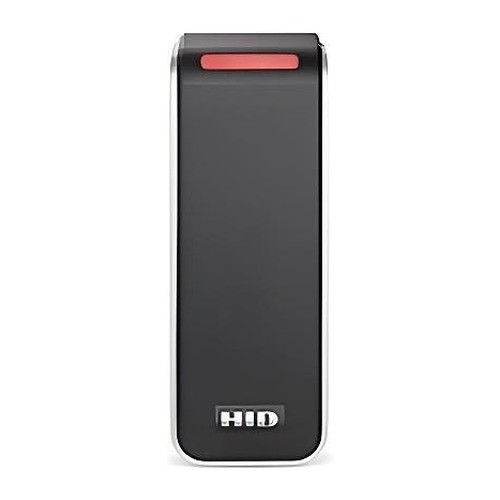
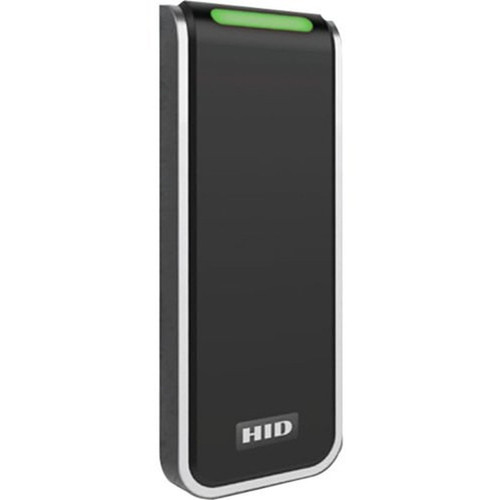
Both the KT-SIG-20KTKS-01 and KT-SIG-20KTKS-02 are Kantech HID Signo 20K mullion-mount access control readers with integrated keypads, designed for two-factor authentication in commercial door-frame installations. They share the same device class—multi-technology proximity/smart-card keypad readers—and target the same Wiegand/RS-485 access control ecosystems. This comparison examines where the two models diverge across credential format, mounting options, and regional/physical construction details to help integrators select the correct unit for a given deployment.
In This Guide
- Which credential technologies and authentication formats does each reader support?
- How do the mounting options and physical installation profiles compare?
- How do the communication interfaces, controller compatibility, and regional origin differ?
- Which should you choose: the KT-SIG-20KTKS-01 or the KT-SIG-20KTKS-02?
- Side-by-Side Specs
- FAQ
Which credential technologies and authentication formats does each reader support?
Both readers share an identical core credential stack: MIFARE, HID, NFC/13.56 MHz, and 125 kHz proximity, with multi-technology and smart-card reader types listed for each. Both also incorporate a keypad for PIN-based dual-factor authentication.
Where they diverge is in the documented proximity format. The KT-SIG-20KTKS-01 specifies HID 20-Bit Proximity as its card format, targeting HID-native deployments. The KT-SIG-20KTKS-02 specifies Indala ShadowProx 15024 format and an 8-bit burst keypad output—a distinct credential ecosystem that is not interchangeable with HID 26-bit or HID 20-bit formats without reprogramming the upstream controller.
Integrators migrating from or standardizing on Indala infrastructure should select the -02; those committed to HID proximity formats should select the -01. Neither model documents support for the other's native format in the provided specifications.
How do the mounting options and physical installation profiles compare?
Both units are mullion-mount form factors at an identical weight of 0.36 lb, making them suitable for narrow door-frame edges and glass-door applications.
The KT-SIG-20KTKS-01 explicitly documents three mount types—Wall, Pole, and Rack—and calls out compatibility with glass door mullion installations. The KT-SIG-20KTKS-02 lists Wall and Pole mount types only; Rack mounting is not specified for the -02.
The -02 adds a documented housing finish detail—black with silver trim—which the -01 does not specify. For installations where rack integration of the reader unit is required, only the -01 carries that mount type in the provided specifications. For standard door-frame and pole installs, both are equivalent.
How do the communication interfaces, controller compatibility, and regional origin differ?
Communication interfaces are identical across both models: Wiegand output and RS-485 are listed for each, ensuring compatibility with the same class of access control panels. Both specify a 4-door capacity and Controller product type, positioning them as panel-side reader endpoints rather than standalone controllers.
Country of origin differs: the KT-SIG-20KTKS-01 is manufactured in the US; the KT-SIG-20KTKS-02 is manufactured in Canada. For projects subject to Buy American provisions, federal procurement rules, or TAA compliance requirements, this distinction is material and must be verified against the applicable contract vehicle—the specifications do not include TAA certification status for either unit.
The -02 explicitly documents keypad compatibility with 'standard access control systems' and an 8-bit burst keypad output format, providing additional integration guidance absent from the -01's listed specs.
Which should you choose: the KT-SIG-20KTKS-01 or the KT-SIG-20KTKS-02?
Our take: The KT-SIG-20KTKS-01 is the stronger choice when the deployment runs HID 20-Bit Proximity credentials and requires US-origin hardware or rack-mount flexibility. The -01's HID 20-Bit Proximity card format is directly compatible with HID-standardized card inventories, whereas the -02's Indala ShadowProx 15024 format requires an Indala credential stock that cannot be used interchangeably. The -01 also lists Rack as a third mount type versus Wall and Pole only on the -02—relevant for consolidated panel rooms. The -02 is the correct selection when the site runs Indala ShadowProx infrastructure, requires Canadian-origin hardware (e.g., Canadian government procurement or supply-chain mandates), or when the documented 8-bit burst keypad output format is needed for a specific panel integration. Both units are otherwise spec-equivalent in weight, credential technology breadth, communication interfaces, and door capacity.
Side-by-Side Comparison
Spec-for-spec, from manufacturer data.
| Specification | Kantech KT-SIG-20KTKS-01 | Kantech KT-SIG-20KTKS-02 |
|---|---|---|
| SKU | KT-SIG-20KTKS-01 | KT-SIG-20KTKS-02 |
| Form Factor | Mullion Reader with Keypad | Mullion Reader with Keypad |
| Weight | 0.36 lb | 0.36 lb |
| Country of Origin | US | CA |
| Reader Type | Multi-Technology; Smart Card; Proximity; Keypad | Multi-Technology; Smart Card; Proximity; Keypad |
| Credential Technology | MIFARE; HID; NFC/13.56MHz; 125kHz Prox | MIFARE; HID; NFC/13.56MHz; 125kHz Prox |
| Proximity Card Format | HID 20-Bit Proximity | Indala ShadowProx 15024 |
| Keypad Output Format | — | 8-bit burst |
| Authentication | Dual-Factor (Card + PIN) | Proximity card + keypad PIN |
| Communication | Wiegand; RS-485 | Wiegand; RS-485 |
| Door Capacity | 4 Door | 4 Door |
| Mount Type | Wall; Pole; Rack | Wall; Pole |
| Glass Door / Mullion Compatibility | Specified | Specified |
| Housing Finish | — | Black with silver trim |
| Product Type | Controller | Controller |
| Expansion Slots | Kits | Kits |
Frequently Asked Questions
Which should you choose: the KT-SIG-20KTKS-01 or the KT-SIG-20KTKS-02?
The KT-SIG-20KTKS-01 is the stronger choice when the deployment runs HID 20-Bit Proximity credentials and requires US-origin hardware or rack-mount flexibility. The -01's HID 20-Bit Proximity card format is directly compatible with HID-standardized card inventories, whereas the -02's Indala ShadowProx 15024 format requires an Indala credential stock that cannot be used interchangeably. The -01 also lists Rack as a third mount type versus Wall and Pole only on the -02—relevant for consolidated panel rooms. The -02 is the correct selection when the site runs Indala ShadowProx infrastructure, requires Canadian-origin hardware (e.g., Canadian government procurement or supply-chain mandates), or when the documented 8-bit burst keypad output format is needed for a specific panel integration. Both units are otherwise spec-equivalent in weight, credential technology breadth, communication interfaces, and door capacity.
Is the KT-SIG-20KTKS-01 or KT-SIG-20KTKS-02 compatible with my existing HID proximity cards?
The KT-SIG-20KTKS-01 specifies HID 20-Bit Proximity as its card format, making it the documented match for HID proximity card inventories. The KT-SIG-20KTKS-02 specifies Indala ShadowProx 15024 format. If your site uses HID proximity cards, the -01 is the specified choice; if your site uses Indala ShadowProx cards, select the -02. Neither model's provided specs document cross-format compatibility.
Do both readers work with the same access control panels and wiring?
Yes—both the KT-SIG-20KTKS-01 and KT-SIG-20KTKS-02 share identical communication interfaces (Wiegand and RS-485) and the same 4-door capacity designation, so they connect to the same class of access control panels using the same wiring topology. The -02 additionally documents an 8-bit burst keypad output format, which may affect panel-side keypad configuration.
Does the country of origin matter when choosing between these two models?
It can. The KT-SIG-20KTKS-01 is US-origin; the KT-SIG-20KTKS-02 is Canadian-origin. For US federal projects subject to Buy American Act or TAA compliance requirements, origin is a procurement-critical factor. Neither product's provided specifications include TAA certification status, so compliance must be confirmed directly with Kantech before specifying either unit on a regulated contract.
More Access Control Reader Comparisons
- SDC 923P vs Ubiquiti UA-G3-FLEX-B
- SDC 923P vs Kantech KT-SIG-20KTKS-01
- SDC 923P vs Speco Technologies AP620HA
- SDC 923P vs DMP 7463-W
- SDC 923P vs SDC 920P
- Ubiquiti UA-G3-FLEX-B vs Kantech KT-SIG-20KTKS-01
Access Control Reader Buying Guides
Get a Second Opinion on Your Camera Choice
Share your site layout, coverage goals, and budget. Our team will validate the camera selection, flag anything we would change, and recommend products that match the use case.