
Kantech KT-SIG-20KTKS-01 vs DMP 7463-W: Specification Comparison
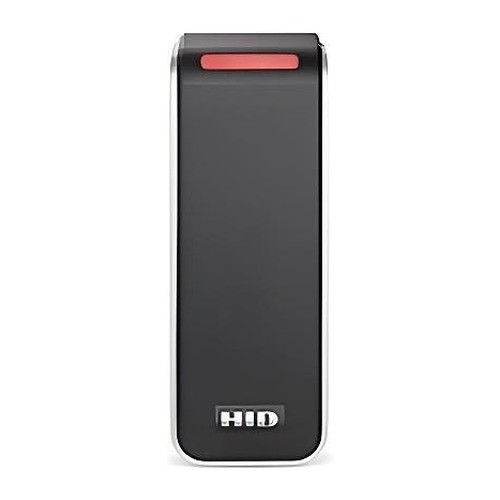
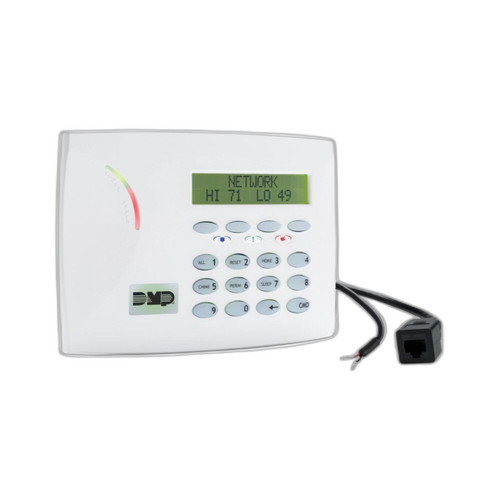
Both the Kantech KT-SIG-20KTKS-01 and the DMP 7463-W are access control input devices that combine a keypad with a proximity card reader, serving commercial installations where dual-credential or card-plus-PIN authentication is required. The Kantech unit is a mullion-mount reader emphasizing multi-technology credential breadth, while the DMP unit is a network-communicating thinline LCD keypad with an integrated prox reader. A buyer evaluating an entry point requiring both card and PIN input from a single device would legitimately cross-shop these two.
In This Guide
- Which device supports a broader range of credential types and reader technologies?
- How does each device communicate, and what does that mean for installation wiring?
- What are the physical installation profiles and mounting requirements for each device?
- Which should you choose: the KT-SIG-20KTKS-01 or the 7463-W?
- Side-by-Side Specs
- FAQ
Which device supports a broader range of credential types and reader technologies?
The KT-SIG-20KTKS-01 is specified as a multi-technology reader supporting MIFARE, HID (20-bit proximity), NFC/13.56 MHz, and 125 kHz proximity credentials. This breadth allows the same physical reader to authenticate legacy 125 kHz prox cards alongside modern smart cards and mobile NFC credentials without hardware replacement.
The 7463-W is specified with a proximity card reader supporting proximity card and PIN credential types. The spec does not enumerate specific card frequencies or formats (e.g., 125 kHz vs. 13.56 MHz) beyond 'proximity card.' Buyers requiring support for MIFARE or NFC credentials cannot confirm compatibility from the available spec data.
How does each device communicate, and what does that mean for installation wiring?
The KT-SIG-20KTKS-01 supports Wiegand and RS-485 communication interfaces. Wiegand is the dominant legacy protocol for access control readers; RS-485 enables longer cable runs and multi-drop topologies. Both protocols require dedicated reader cable runs back to a controller panel.
The 7463-W communicates over a network protocol. Network communication can reduce dedicated home-run wiring by allowing the keypad to connect via existing structured cabling or a network switch. The spec does not specify whether this is TCP/IP Ethernet, Wi-Fi, or a proprietary network bus. Power requirement is stated as 8.5–15 VDC; the package contents confirm a backup battery providing four hours of standby power is included.
What are the physical installation profiles and mounting requirements for each device?
The KT-SIG-20KTKS-01 is a mullion-mount form factor explicitly designed for glass door narrow-frame edges. It weighs 0.36 lb. Mount types listed include wall, pole, and rack, though the primary application noted is mullion mounting for glass doors. Its compact low-profile design suits installations where frame depth is constrained.
The 7463-W is described as a thinline form factor with an LCD display. The spec does not provide weight or specific mounting dimensions. The LCD display means it can present alphanumeric feedback to the user, a capability not specified for the KT-SIG-20KTKS-01. The thinline profile targets commercial and light industrial flush-mount applications. No mullion-specific compatibility is stated.
Which should you choose: the KT-SIG-20KTKS-01 or the 7463-W?
Our take: The KT-SIG-20KTKS-01 is the stronger choice when the installation requires multi-technology credential flexibility and a dedicated access control reader wired to a Kantech or Wiegand/RS-485 compatible controller at a glass door or narrow mullion. Key spec deltas: the Kantech device supports four distinct credential technologies (MIFARE, HID, NFC/13.56 MHz, 125 kHz prox) versus the DMP unit's unspecified proximity format; the Kantech device specifies Wiegand and RS-485 output versus the DMP's network protocol; and the Kantech device explicitly targets mullion/glass door mounting at 0.36 lb versus the DMP's thinline LCD panel with no stated mounting dimensions. The 7463-W is the stronger choice when the priority is an LCD user interface with alphanumeric feedback, network-based communication to reduce dedicated wiring, or tight integration into a DMP panel ecosystem — particularly in commercial or light industrial sites already running DMP systems where the included four-hour battery backup adds resilience.
Side-by-Side Comparison
Spec-for-spec, from manufacturer data.
| Specification | Kantech KT-SIG-20KTKS-01 | DMP 7463-W |
|---|---|---|
| Device Class | Mullion Reader with Keypad | Network LCD Keypad with Prox Reader |
| SKU | KT-SIG-20KTKS-01 | 7463-W |
| Credential Types | MIFARE; HID; NFC/13.56 MHz; 125 kHz Prox; PIN | Proximity Card; PIN |
| Card Format Specified | HID 20-bit; MIFARE; NFC; 125 kHz | Not specified in available data |
| Reader Type | Multi-Technology; Smart Card; Proximity; Keypad | Proximity; Keypad |
| Communication Protocol | Wiegand; RS-485 | Network (protocol not specified) |
| Display | Not specified | LCD (alphanumeric) |
| Alarm Indicator | Not specified | Keypad turns red in alarm condition |
| Power Input | Not specified | 8.5–15 VDC |
| Backup Battery | Not specified | Included; 4-hour standby |
| Weight | 0.36 lb | Not specified |
| Mount Style | Mullion; Wall; Pole; Rack | Thinline (flush); not specified beyond form factor |
| Glass Door / Mullion Rated | Yes (explicit) | Not specified |
| Form Factor | Compact low-profile mullion | Thinline |
| Country of Origin | US | Not specified |
| Target Application | Commercial access control; glass/narrow frame doors | Commercial and light industrial |
Frequently Asked Questions
Which should you choose: the KT-SIG-20KTKS-01 or the 7463-W?
The KT-SIG-20KTKS-01 is the stronger choice when the installation requires multi-technology credential flexibility and a dedicated access control reader wired to a Kantech or Wiegand/RS-485 compatible controller at a glass door or narrow mullion. Key spec deltas: the Kantech device supports four distinct credential technologies (MIFARE, HID, NFC/13.56 MHz, 125 kHz prox) versus the DMP unit's unspecified proximity format; the Kantech device specifies Wiegand and RS-485 output versus the DMP's network protocol; and the Kantech device explicitly targets mullion/glass door mounting at 0.36 lb versus the DMP's thinline LCD panel with no stated mounting dimensions. The 7463-W is the stronger choice when the priority is an LCD user interface with alphanumeric feedback, network-based communication to reduce dedicated wiring, or tight integration into a DMP panel ecosystem — particularly in commercial or light industrial sites already running DMP systems where the included four-hour battery backup adds resilience.
Is the KT-SIG-20KTKS-01 or the 7463-W better for sites that already use HID cards?
The KT-SIG-20KTKS-01 explicitly lists HID and 125 kHz proximity as supported credential types, making it a confirmed fit for existing HID card populations. The 7463-W's spec lists 'proximity card' without specifying the card frequency or format, so HID compatibility cannot be confirmed from the available data.
Which device is easier to install in a building with existing network infrastructure but no dedicated reader wiring?
The 7463-W communicates over a network protocol, which can leverage existing structured cabling or network switches and reduce new dedicated wiring runs. The KT-SIG-20KTKS-01 uses Wiegand or RS-485, both of which require a dedicated cable run to a controller panel.
Can either device display status messages or prompts to the user at the door?
The 7463-W includes an LCD display that can show alphanumeric information, and the spec notes the keypad turns red in an alarm condition. The KT-SIG-20KTKS-01 spec does not describe an LCD or alphanumeric display; it is characterized as a compact reader with keypad for credential input rather than a status display device.
More Access Control Reader Comparisons
- SDC 923P vs Ubiquiti UA-G3-FLEX-B
- SDC 923P vs Kantech KT-SIG-20KTKS-01
- SDC 923P vs Speco Technologies AP620HA
- SDC 923P vs DMP 7463-W
- SDC 923P vs SDC 920P
- Ubiquiti UA-G3-FLEX-B vs Kantech KT-SIG-20KTKS-01
Access Control Reader Buying Guides
Get a Second Opinion on Your Camera Choice
Share your site layout, coverage goals, and budget. Our team will validate the camera selection, flag anything we would change, and recommend products that match the use case.