
Honeywell 8675I300SR-2-N vs Honeywell 8690IB201-2-N: Specification Comparison
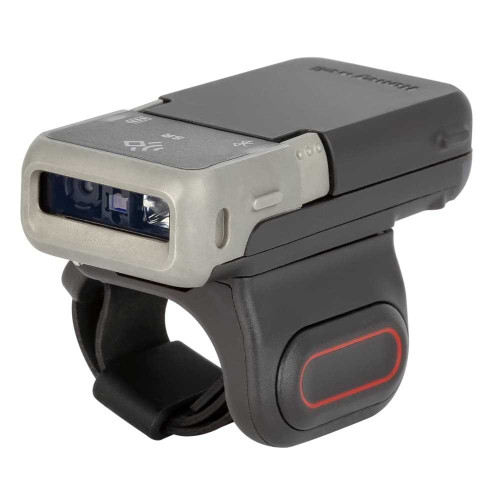
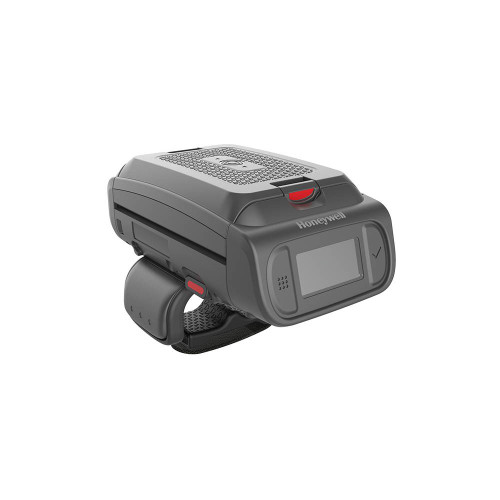
Both the Honeywell 8675I300SR-2-N and the 8690IB201-2-N are wearable ring scanners in Honeywell's barcode scanning portfolio, targeting hands-free 1D/2D barcode capture in warehouse, logistics, and manufacturing environments. This comparison evaluates the two units across scan capability, physical ergonomics and battery endurance, and environmental/connectivity specifications — the dimensions that most directly affect deployment decisions for mobile workers requiring uninterrupted, glove-friendly scanning across a shift.
In This Guide
- Which scanner delivers broader barcode read capability in real-world conditions?
- Which unit better supports full-shift wearable use in terms of weight and battery capacity?
- How do the two scanners compare on operating environment tolerance and wireless connectivity?
- Which should you choose: the 8675I300SR-2-N or the 8690IB201-2-N?
- Side-by-Side Specs
- FAQ
Which scanner delivers broader barcode read capability in real-world conditions?
Both units are specified as 1D/2D ring scanners capable of reading damaged and high-density codes. The 8675I300SR-2-N explicitly lists an area imager with an 844 × 640 pixel array and is noted to decode damaged, low-contrast, and high-density barcodes. The 8690IB201-2-N is specified for all 1D/2D symbologies including damaged and high-density codes, with an omni-directional scan pattern and a stated working range of 44 mm to 552 mm (1.7 in to 21.7 in). The 8675I300SR-2-N's pixel array resolution is a concrete imager spec; the 8690IB201-2-N's omni-directional pattern and documented working range provide complementary deployment guidance. Pixel array dimensions are not provided for the 8690IB201-2-N, and working range is not provided for the 8675I300SR-2-N.
Which unit better supports full-shift wearable use in terms of weight and battery capacity?
The 8675I300SR-2-N weighs 28 g and carries a 380 mAh rechargeable battery. The 8690IB201-2-N weighs 26 g — 2 g lighter — and carries a 420 mAh rechargeable battery, a 40 mAh (approximately 10.5%) increase over the 8675I300SR-2-N. For workers wearing a ring scanner across an eight-hour shift, both weight differences and battery differences are meaningful: lighter weight reduces fatigue on the trigger finger and ring mount, while higher battery capacity extends operational time before a swap or recharge is required. The 8690IB201-2-N holds a measurable advantage on both ergonomic axes based on the provided specs. Neither datasheet specifies rated scan cycles per charge or shift-duration claims.
The 8675I300SR-2-N's series family is listed as 8675i. The 8690IB201-2-N's series family is listed as 8680i, though its part number carries the '8690' prefix — buyers should confirm accessory and battery ecosystem compatibility with Honeywell before mixing ring mounts or spare batteries across series.
How do the two scanners compare on operating environment tolerance and wireless connectivity?
Both units carry an IP55 rating, providing equivalent protection against dust ingress and low-pressure water jets — suitable for typical warehouse and light manufacturing environments. Both use Bluetooth wireless connectivity. The 8690IB201-2-N specifies an operating temperature range of -20°C to 50°C, which qualifies it for cold-storage environments such as refrigerated warehouses or outdoor dock areas in winter climates. The 8675I300SR-2-N does not have an operating temperature range listed in the provided specifications, so cold-chain suitability cannot be confirmed from available data. The 8690IB201-2-N also specifies its Bluetooth band as 2.4 GHz to 2.5 GHz (ISM). No equivalent RF band detail is provided for the 8675I300SR-2-N. A PoE Class 1 value appears in the 8690IB201-2-N spec block, but PoE Class is not a meaningful attribute for a wireless ring scanner; this appears to be a data entry artifact and should not be relied upon.
Which should you choose: the 8675I300SR-2-N or the 8690IB201-2-N?
Our take: The 8690IB201-2-N is the stronger choice when operating temperature range, battery endurance, and wearable ergonomics are the primary decision criteria. It outperforms the 8675I300SR-2-N on three concrete spec points: it is 2 g lighter (26 g vs. 28 g), carries a larger battery (420 mAh vs. 380 mAh, a 10.5% increase), and is the only unit of the two with a documented operating temperature range (-20°C to 50°C), qualifying it for cold-storage and outdoor dock deployments where the 8675I300SR-2-N's suitability cannot be confirmed from available specs. The 8675I300SR-2-N holds a documented imager resolution advantage (844 × 640 pixel array) that may benefit deployments requiring reads of very high-density or densely printed codes, but the 8690IB201-2-N's omni-directional scan pattern and stated 44–552 mm working range provide practical deployment guidance the 8675I300SR-2-N's spec sheet does not. Buyers in ambient-temperature warehouses with standard barcode formats may find either unit adequate; cold-chain or outdoor operations should favor the 8690IB201-2-N.
Side-by-Side Comparison
Spec-for-spec, from manufacturer data.
| Specification | Honeywell 8675I300SR-2-N | Honeywell 8690IB201-2-N |
|---|---|---|
| Part Number | 8675I300SR-2-N | 8690IB201-2-N |
| Series / Family | 8675i | 8680i |
| Scan Type | Wearable Ring Scanner (1D/2D) | Wearable Ring Scanner (1D/2D) |
| Scan Pattern | Area Imager (844 × 640 pixel array) | Omni-directional |
| Working Range | — | 44 mm to 552 mm (1.7 in to 21.7 in) |
| IP Rating | IP55 | IP55 |
| Connectivity | Bluetooth Wireless | Bluetooth Wireless (2.4–2.5 GHz ISM) |
| Weight | 28 g | 26 g |
| Battery Capacity | 380 mAh | 420 mAh |
| Operating Temperature | — | -20°C to 50°C |
| Outdoor Ready | Yes (per spec) | — |
| Warranty | 3-year | 3-year |
| Symbologies | Damaged, low-contrast & high-density codes | All 1D/2D symbologies incl. damaged & high-density |
| Mount Type Listed | Ring (wearable) | Ring (wearable) |
Frequently Asked Questions
Which should you choose: the 8675I300SR-2-N or the 8690IB201-2-N?
The 8690IB201-2-N is the stronger choice when operating temperature range, battery endurance, and wearable ergonomics are the primary decision criteria. It outperforms the 8675I300SR-2-N on three concrete spec points: it is 2 g lighter (26 g vs. 28 g), carries a larger battery (420 mAh vs. 380 mAh, a 10.5% increase), and is the only unit of the two with a documented operating temperature range (-20°C to 50°C), qualifying it for cold-storage and outdoor dock deployments where the 8675I300SR-2-N's suitability cannot be confirmed from available specs. The 8675I300SR-2-N holds a documented imager resolution advantage (844 × 640 pixel array) that may benefit deployments requiring reads of very high-density or densely printed codes, but the 8690IB201-2-N's omni-directional scan pattern and stated 44–552 mm working range provide practical deployment guidance the 8675I300SR-2-N's spec sheet does not. Buyers in ambient-temperature warehouses with standard barcode formats may find either unit adequate; cold-chain or outdoor operations should favor the 8690IB201-2-N.
Is the 8675I300SR-2-N or the 8690IB201-2-N better for cold-storage warehouse deployments?
Based on available specifications, the 8690IB201-2-N is the appropriate choice for cold-storage environments. It carries a documented operating temperature range of -20°C to 50°C, which covers typical refrigerated and freezer-warehouse conditions. The 8675I300SR-2-N does not have an operating temperature range listed in the provided specifications, so its cold-chain suitability cannot be confirmed from spec data alone.
Will either scanner last a full 8-hour shift without a battery swap?
Neither product's datasheet provides a rated shift duration or scan-cycles-per-charge figure in the specifications supplied here. What is known is that the 8690IB201-2-N has a 420 mAh battery versus the 8675I300SR-2-N's 380 mAh — a 10.5% larger capacity — which provides a measurable endurance advantage, all else being equal. For a definitive shift-life estimate, consult Honeywell's full product datasheets or request application testing data from the manufacturer.
Can accessories and ring mounts be shared between the 8675I300SR-2-N and the 8690IB201-2-N?
The 8675I300SR-2-N belongs to the 8675i series family and the 8690IB201-2-N belongs to the 8680i series family. These are distinct product families, and cross-compatibility of ring mounts, spare batteries, and charging cradles cannot be assumed from the provided specifications. Buyers planning mixed deployments or spare parts consolidation should verify accessory interchangeability directly with Honeywell before purchasing.
More Barcode Scanner Comparisons
- Unitech HT730-LJ6122BG vs Datalogic HS7500SR
- Unitech HT730-LJ6122BG vs Honeywell 8690IB601-2
- Unitech HT730-LJ6122BG vs Honeywell 8690IB201-2-N
- Unitech HT730-LJ6122BG vs Honeywell 8680I400-2
- Unitech HT730-LJ6122BG vs Unitech HT730-LJ6142BG
- Unitech HT730-LJ6142BG vs Datalogic HS7500SR
Barcode Scanner Buying Guides
Get a Second Opinion on Your Camera Choice
Share your site layout, coverage goals, and budget. Our team will validate the camera selection, flag anything we would change, and recommend products that match the use case.