
Honeywell 8675I200FR-2-N vs Unitech HT730-LJ6122BG: Specification Comparison
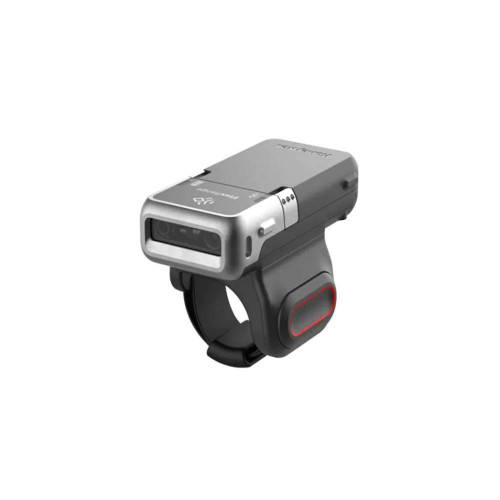
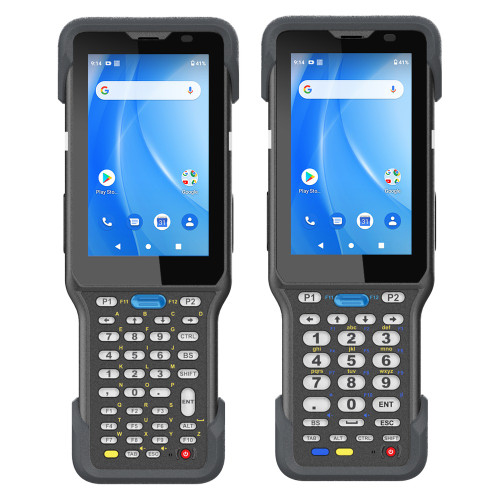
Both the Honeywell 8675I200FR-2-N and the Unitech HT730-LJ6122BG are wearable barcode scanners targeting hands-free warehouse and distribution workflows. The 8675I200FR-2-N is a dedicated ring-form-factor scanner optimized for minimal weight and Bluetooth pairing to a separate host device, while the HT730-LJ6122BG is a body-worn wearable computer integrating a 2D scan engine with Android 10, a 4-inch display, 29-key keypad, and multi-radio connectivity. Buyers evaluating these two are weighing a purpose-built ultra-light ring scanner against a full wearable mobile computer with an integrated scan engine.
In This Guide
- Which device delivers broader barcode decode capability and scan speed?
- How do these devices compare on drop protection, environmental sealing, and physical durability?
- How do battery capacity, wireless radios, and the host platform differ between these two?
- Which should you choose: the 8675I200FR-2-N or the HT730-LJ6122BG?
- Side-by-Side Specs
- FAQ
Which device delivers broader barcode decode capability and scan speed?
The Honeywell 8675I200FR-2-N uses an area imager (844 × 640 pixel array) to capture 1D and 2D barcodes in a wearable ring form factor. The specification does not list supported symbologies beyond the general '1D/2D barcode' category, nor does it state a scan rate or frames-per-second figure.
The Unitech HT730-LJ6122BG uses a 2D area imager rated at 60 fps and explicitly lists symbology coverage: all standard 1D linear codes (Code 128, Code 39, UPC, EAN), 2D codes (QR Code, Data Matrix, PDF417, Dot Code), and OCR. Its 30-degree tilt-down scan pattern is also specified.
On documented scan capability, the HT730-LJ6122BG provides substantially more detail — a stated 60 fps rate, explicit multi-symbology support including OCR, and a defined scan angle. The 8675I200FR-2-N's pixel array dimension is specified but scan rate and symbology list are absent from the provided data.
How do these devices compare on drop protection, environmental sealing, and physical durability?
The Honeywell 8675I200FR-2-N carries an IP55 rating, providing protection against dust ingress and low-pressure water jets from any direction. It is designated outdoor-ready. No drop-to-concrete specification is present in the provided data.
The Unitech HT730-LJ6122BG is rated for 1.8 m drops to concrete in standard configuration, extending to 2.4 m with an optional bumper. No IP dust or water ingress rating is listed in the provided specifications.
The two products address different ruggedness axes: the 8675I200FR-2-N quantifies environmental sealing (IP55) but omits drop data; the HT730-LJ6122BG quantifies drop resilience (1.8 m / 2.4 m with bumper) but omits an IP rating. Buyers in wet or dusty outdoor environments should note the 8675I200FR-2-N's IP55 seal; buyers in high-drop-risk warehouse aisles should weigh the HT730-LJ6122BG's concrete-drop rating.
How do battery capacity, wireless radios, and the host platform differ between these two?
The Honeywell 8675I200FR-2-N carries a 380 mAh battery and connects exclusively via Bluetooth. It is a peripheral scanner — it pairs to a separate host device (mobile computer, phone, or terminal) and does not run an independent operating system. No operating hours figure is provided.
The Unitech HT730-LJ6122BG integrates a 6700 mAh battery rated for 20–26 hours of continuous operation. It is a self-contained wearable computer running Android 10, with Wi-Fi (2×2 MU-MIMO), Bluetooth, and Dual SIM 4G LTE radios. It also includes a 4-inch screen, 29-key keypad, and a 13 MP camera.
These are fundamentally different platform architectures. The 8675I200FR-2-N requires a paired host device to function; its 380 mAh cell is sized for the ring peripheral only. The HT730-LJ6122BG is a standalone wearable computer with an 18× larger battery and independent connectivity including 4G LTE — no separate host is required. Deployment costs and infrastructure requirements differ accordingly.
Which should you choose: the 8675I200FR-2-N or the HT730-LJ6122BG?
Our take: The HT730-LJ6122BG is the stronger choice when the deployment requires a self-contained wearable computer with independent connectivity and all-shift battery endurance. Key spec deltas: battery capacity is 6700 mAh versus 380 mAh — the Unitech's cell is roughly 18× larger and is documented at 20–26 hours continuous operation, while Honeywell provides no runtime figure; the HT730-LJ6122BG adds Wi-Fi (2×2 MU-MIMO) and Dual SIM 4G LTE where the 8675I200FR-2-N offers Bluetooth only; and the Unitech documents a 1.8 m concrete drop rating (2.4 m with bumper) while the Honeywell provides none. Conversely, the 8675I200FR-2-N at 28 g is purpose-built for minimal wrist load and carries an IP55 environmental seal absent from the Unitech's spec sheet. Choose the 8675I200FR-2-N when the site already deploys a paired mobile host fleet and ultra-light ring form factor is the priority; choose the HT730-LJ6122BG for standalone wearable deployments demanding independent radios, a full Android application environment, and multi-shift battery life.
Side-by-Side Comparison
Spec-for-spec, from manufacturer data.
| Specification | Honeywell 8675I200FR-2-N | Unitech HT730-LJ6122BG |
|---|---|---|
| Product Type | Wearable Ring Scanner (peripheral) | Wearable Computer with integrated 2D scanner |
| Scan Engine | Area Imager (844 × 640 pixel array) | 2D Area Imager |
| Scan Capability | 1D / 2D barcodes | 1D, 2D (QR, Data Matrix, PDF417, Dot Code), OCR |
| Scan Rate | — | 60 fps |
| Scan Pattern | — | 30-degree tilt-down |
| Operating System | None (peripheral) | Android 10 |
| Display | — | 4-inch screen |
| Keypad | — | 29-key |
| Camera | — | 13 MP |
| Battery Capacity | 380 mAh | 6700 mAh removable |
| Battery Life | — | 20–26 hours continuous |
| Wireless Connectivity | Bluetooth | Wi-Fi (2×2 MU-MIMO), Bluetooth, Dual SIM 4G LTE |
| IP Rating | IP55 | — |
| Drop Rating | — | 1.8 m to concrete; 2.4 m with bumper |
| Weight | 28 g (1.0 oz) | — |
| Warranty | 3-year | Manufacturer Warranty (duration not specified) |
Frequently Asked Questions
Which should you choose: the 8675I200FR-2-N or the HT730-LJ6122BG?
The HT730-LJ6122BG is the stronger choice when the deployment requires a self-contained wearable computer with independent connectivity and all-shift battery endurance. Key spec deltas: battery capacity is 6700 mAh versus 380 mAh — the Unitech's cell is roughly 18× larger and is documented at 20–26 hours continuous operation, while Honeywell provides no runtime figure; the HT730-LJ6122BG adds Wi-Fi (2×2 MU-MIMO) and Dual SIM 4G LTE where the 8675I200FR-2-N offers Bluetooth only; and the Unitech documents a 1.8 m concrete drop rating (2.4 m with bumper) while the Honeywell provides none. Conversely, the 8675I200FR-2-N at 28 g is purpose-built for minimal wrist load and carries an IP55 environmental seal absent from the Unitech's spec sheet. Choose the 8675I200FR-2-N when the site already deploys a paired mobile host fleet and ultra-light ring form factor is the priority; choose the HT730-LJ6122BG for standalone wearable deployments demanding independent radios, a full Android application environment, and multi-shift battery life.
Do I need a separate mobile computer to use the Honeywell 8675I200FR-2-N?
Yes. The 8675I200FR-2-N is a Bluetooth ring scanner peripheral with a 380 mAh battery. It pairs to a separate host device — such as a mobile computer or handheld terminal — and does not run an independent operating system. The Unitech HT730-LJ6122BG, by contrast, is a standalone Android 10 wearable computer and does not require a paired host.
Which scanner is better suited for an outdoor or wet warehouse environment?
The Honeywell 8675I200FR-2-N is rated IP55, meaning it is tested for dust protection and low-pressure water jets, and is explicitly marked outdoor-ready. The Unitech HT730-LJ6122BG does not list an IP ingress rating in the provided specifications. If environmental sealing against dust and moisture is a primary requirement, the 8675I200FR-2-N has documented IP55 protection; the Unitech's rating in that area is unconfirmed from available data.
Which device supports longer scanning shifts without recharging?
The Unitech HT730-LJ6122BG specifies 20–26 hours of continuous operation from its 6700 mAh removable battery. The Honeywell 8675I200FR-2-N has a 380 mAh battery and no operating-hours figure is provided in its specification data. Based on documented specs, the HT730-LJ6122BG is the clear choice for extended or multi-shift deployments where battery endurance without recharging is critical.
More Barcode Scanner Comparisons
- Unitech HT730-LJ6122BG vs Datalogic HS7500SR
- Unitech HT730-LJ6122BG vs Honeywell 8690IB601-2
- Unitech HT730-LJ6122BG vs Honeywell 8690IB201-2-N
- Unitech HT730-LJ6122BG vs Honeywell 8680I400-2
- Unitech HT730-LJ6122BG vs Unitech HT730-LJ6142BG
- Unitech HT730-LJ6142BG vs Datalogic HS7500SR
Barcode Scanner Buying Guides
Get a Second Opinion on Your Camera Choice
Share your site layout, coverage goals, and budget. Our team will validate the camera selection, flag anything we would change, and recommend products that match the use case.