
Geovision ABL471W-0010 vs Geovision TBL475W-0010: Specification Comparison
Both the Geovision ABL471W-0010 and TBL475W-0010 are 4MP fixed IR bullet cameras designed for wall-mount IP surveillance deployments. They share the same resolution class, form factor, H.265/H.264 compression support (where specified), ONVIF compliance, and PoE Ethernet connectivity, making them direct cross-shop candidates for installers evaluating Geovision's outdoor bullet lineup. The comparison below is driven entirely by the provided specifications; where a spec is absent for either model, that absence is noted rather than assumed.
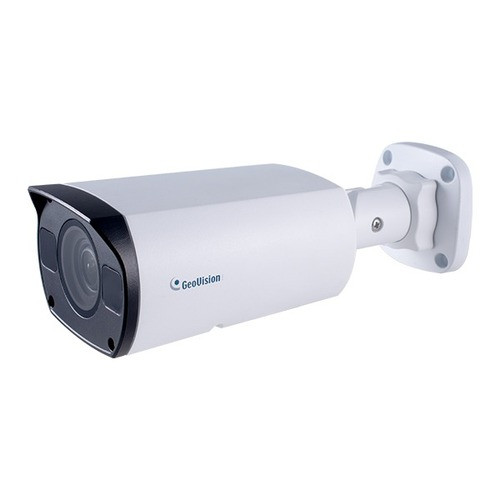
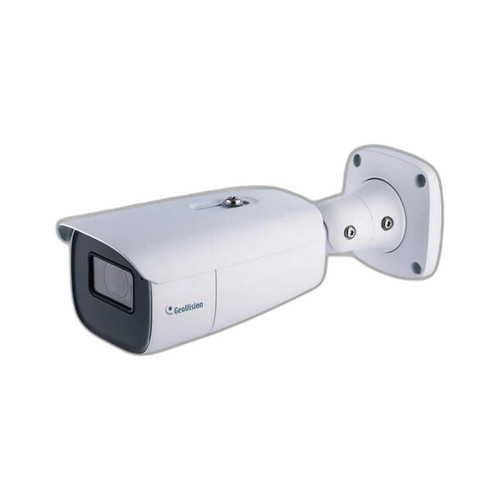
In This Guide
How do the imaging specs compare?
Both cameras deliver 4MP resolution with IR night vision and WDR Pro wide dynamic range. The ABL471W-0010 uses a 4.3mm fixed lens and specifies its IR wavelength at 850nm. The TBL475W-0010 uses a slightly wider 4mm fixed lens, which provides a marginally broader horizontal field of view at equivalent distances. Neither datasheet specifies a numeric IR range, minimum illumination value, image sensor size, or max frame rate in the provided specs, so those comparisons cannot be made from the available data.
On low-light capability, the TBL475W-0010 explicitly claims 'super low lux' sensitivity in addition to IR illumination, suggesting enhanced performance in near-darkness conditions without artificial light. The ABL471W-0010's IR spec identifies the 850nm wavelength but makes no equivalent low-lux claim. Both list WDR (with WDR Pro noted for both), and neither spec sheet provides a numeric WDR decibel rating to differentiate them further.
What about installation and environment?
Both cameras are bullet form-factor units powered via PoE Ethernet, simplifying cable runs to a single CAT cable per drop. Neither model's provided specifications include an IP ingress-protection rating, IK impact rating, operating temperature range, or physical dimensions — all critical parameters for outdoor or vandal-prone deployments. Installers should consult the full datasheets at the listed PDF paths before specifying either unit for harsh-environment or temperature-extreme installations.
The TBL475W-0010 offers a broader mounting flexibility, listing Wall, Corner, and Overhang mount types versus the ABL471W-0010's Wall mount only. This makes the TBL475W-0010 more adaptable to non-standard mounting positions such as corner brackets and soffit overhangs without additional hardware — a practical advantage in retrofit or architecturally constrained sites.
Which fits your VMS and analytics better?
Both cameras declare ONVIF compliance. The ABL471W-0010 specifies ONVIF Profile S explicitly, which defines the baseline interoperability profile for live video streaming, PTZ control, and event handling in multi-vendor NVR environments. The TBL475W-0010 states 'ONVIF-compliant systems' without naming a specific profile, and its marketing bullet references Milestone, Hikvision, and Axis VMS platforms by name — though these are marketing claims, not spec-sheet certifications in the provided data. The ABL471W-0010's explicit Profile S declaration is a more verifiable integration commitment.
Neither model's provided specifications list edge analytics, on-board SD card storage, audio input/output, or alarm I/O. The ABL471W-0010 is catalogued under 'IPCAM' cable category while the TBL475W-0010 is listed under 'Accessories' — a cataloguing discrepancy that likely reflects internal SKU taxonomy rather than a functional difference, but installers should verify. Both models' compression specs note H.265 and H.264 for the ABL471W-0010; the TBL475W-0010's compression codecs are not specified in the provided data.
Which should you choose: the ABL471W-0010 or the TBL475W-0010?
Our take: The TBL475W-0010 is the stronger choice when mounting flexibility and low-light sensitivity are the primary concerns, while the ABL471W-0010 is preferable when explicit ONVIF Profile S certification is a VMS integration requirement. Concretely: (1) the TBL475W-0010 supports Wall, Corner, and Overhang mounts versus the ABL471W-0010's Wall-only; (2) the TBL475W-0010 specifies 'super low lux' capability, whereas the ABL471W-0010 only confirms 850nm IR without a low-lux claim; (3) the ABL471W-0010 declares ONVIF Profile S explicitly, while the TBL475W-0010 states generic ONVIF compliance without a named profile. Both units lack published IP ratings, temperature ranges, and IR distance figures in the provided specs — installers must pull full datasheets before finalizing either for outdoor or environmentally demanding deployments.
Side-by-Side Comparison
Spec-for-spec, from manufacturer data.
| Specification | Geovision ABL471W-0010 | Geovision TBL475W-0010 |
|---|---|---|
| Resolution | 4 MP | 4 MP |
| Camera Type | Fixed IR Bullet | Fixed IR Bullet |
| Lens / Focal Length | 4.3mm fixed | 4mm fixed |
| IR Illumination | IR; 850nm | IR; super low lux |
| IR Wavelength | 850nm | — |
| WDR | WDR Pro | WDR Pro |
| Video Compression | H.265; H.264 | — |
| ONVIF | Profile S | ONVIF-compliant (profile not specified) |
| Power | PoE | PoE (inferred from Ethernet; not explicitly stated) |
| Mount Type | Wall | Wall; Corner; Overhang |
| Form Factor | Bullet | Bullet |
Frequently Asked Questions
Which should you choose: the ABL471W-0010 or the TBL475W-0010?
The TBL475W-0010 is the stronger choice when mounting flexibility and low-light sensitivity are the primary concerns, while the ABL471W-0010 is preferable when explicit ONVIF Profile S certification is a VMS integration requirement. Concretely: (1) the TBL475W-0010 supports Wall, Corner, and Overhang mounts versus the ABL471W-0010's Wall-only; (2) the TBL475W-0010 specifies 'super low lux' capability, whereas the ABL471W-0010 only confirms 850nm IR without a low-lux claim; (3) the ABL471W-0010 declares ONVIF Profile S explicitly, while the TBL475W-0010 states generic ONVIF compliance without a named profile. Both units lack published IP ratings, temperature ranges, and IR distance figures in the provided specs — installers must pull full datasheets before finalizing either for outdoor or environmentally demanding deployments.
Is the ABL471W-0010 or TBL475W-0010 better for low-light performance?
Based on the provided specifications, the TBL475W-0010 has an advantage: it explicitly claims 'super low lux' sensitivity in addition to IR illumination. The ABL471W-0010 identifies its IR wavelength as 850nm but does not make a comparable low-lux claim. Neither model publishes a numeric minimum illumination figure in the provided specs, so a definitive lux comparison is not possible from this data alone.
Which camera is easier to integrate with a third-party VMS?
The ABL471W-0010 declares ONVIF Profile S, a well-defined interoperability profile supported by most enterprise NVR platforms. The TBL475W-0010 states ONVIF compliance without specifying a profile, and its product copy references Milestone, Hikvision, and Axis platforms — but these are not spec-verified certifications in the provided data. If your VMS mandates a specific ONVIF profile for discovery or event handling, the ABL471W-0010's explicit Profile S declaration is the lower-risk choice.
Can the TBL475W-0010 be mounted on a corner bracket, and can the ABL471W-0010?
Yes — the TBL475W-0010 lists Wall, Corner, and Overhang as supported mount types. The ABL471W-0010 lists Wall mounting only. If your installation requires a corner or soffit/overhang mount, the TBL475W-0010 is specified for those positions; the ABL471W-0010 is not, based on the provided specifications.
Get a Second Opinion on Your Camera Choice
Share your site layout, coverage goals, and budget. Our team will validate the camera selection, flag anything we would change, and recommend products that match the use case.