Geovision 84-ABL471W-0010 4MP IR Bullet Camera
Overview
The Geovision 84-ABL471W-0010 is a 4MP infrared bullet camera built for outdoor perimeter and entry-point surveillance where low-light performance and efficient network bandwidth matter. The 4.3x lens paired with 4MP resolution delivers usable identification-grade detail at distance without forcing you to over-provision storage. WDR Pro handles backlit scenes—door frames against bright exterior, dock areas with mixed sun and shadow—by capturing balanced detail across both highlights and shadow without the halo artifacts that confuse motion detection. H.265 compression cuts file sizes roughly in half compared to H.264, a real factor when you're running 24/7 recording across multiple cameras on standard gigabit switches. Integrated infrared extends the camera into complete darkness, eliminating the need for separate illumination hardware on loading docks, perimeter fences, and warehouse corners where ambient light fails.
Compatibility
The 84-ABL471W-0010 integrates into standard IP-based surveillance networks via IPCAM cable specifications. It supports H.265 and H.264 codec compatibility with modern NVR and video management platforms—no proprietary hardware or software licensing required. ONVIF Profile S compliance ensures seamless integration into multi-vendor architectures. The camera ships with standard RJ45 ethernet connectivity for straightforward installation into existing PoE infrastructure.
Installation Notes
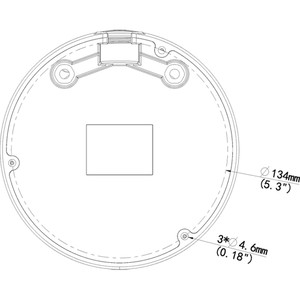
The bullet form factor mounts to wall, corner, or soffit surfaces using standard wall-mount brackets (not included). The sealed, weatherproof housing is rated for outdoor temperature extremes and moisture exposure typical of retail, industrial, and perimeter security deployments. Ensure your PoE switch or injector delivers sufficient wattage for the camera's power draw; consult the datasheet for exact power specifications before installation. Cable runs should follow standard network installation practices—avoid routing alongside high-voltage AC wiring to prevent EMI interference with the IR sensor.