
Geovision ABL471W-0010 vs Geovision ABL473W-0010: Specification Comparison
Both the Geovision ABL471W-0010 and ABL473W-0010 are 4MP fixed IR bullet cameras sharing the same brand, resolution class, compression stack, ONVIF Profile S compliance, and PoE power delivery. Buyers evaluating perimeter or outdoor surveillance hardware will find these two models occupying the same general performance tier, making a direct comparison meaningful for installers selecting between them based on lens configuration, WDR grade, mounting flexibility, and explicit PoE standard documentation.
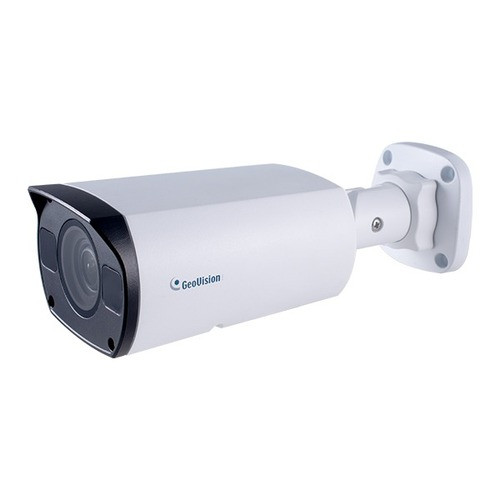
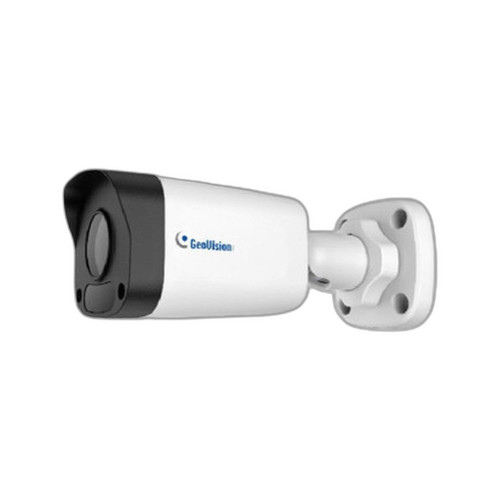
In This Guide
How do the imaging specs compare?
Both cameras deliver 4MP resolution with H.265 and H.264 compression and IR-based night vision at 850nm on the ABL471W-0010; the ABL473W-0010 lists IR and night vision but does not specify the IR wavelength in the provided specs. The ABL471W-0010 specifies a 4.3mm fixed lens, while the ABL473W-0010 uses a 4mm fixed lens — a minor difference that yields a marginally wider field of view on the ABL473W-0010 and a slightly tighter framing on the ABL471W-0010.
On wide dynamic range, the ABL471W-0010 lists 'WDR Pro,' indicating an enhanced or higher-grade WDR implementation per Geovision's own product naming convention. The ABL473W-0010 lists only 'WDR' without a Pro qualifier. Neither spec sheet provides a quantified WDR dB value, minimum illumination figure, or maximum frame rate, so no numerical comparison on those points is possible from the data provided.
What about installation and environment?
Both cameras are wall-mountable bullet form factors using PoE Ethernet for combined data and power. The ABL473W-0010 explicitly adds pole and soffit mount options to its listed mount types, giving installers more deployment flexibility in outdoor infrastructure scenarios. The ABL471W-0010 lists wall mount only based on available specs.
The ABL473W-0010 explicitly documents 802.3af PoE compliance, which defines a maximum of 15.4W draw — useful for switch budget planning and midspan injector selection. The ABL471W-0010 lists PoE as the power input but does not specify 802.3af, 802.3at, or any other standard in the provided specs. Neither model includes an IP ingress rating, IK impact rating, or operating temperature range in the provided data, so environmental hardening cannot be compared.
Which fits your VMS and analytics better?
Both cameras declare ONVIF Profile S compliance, making either a compatible drop-in for any Profile S–capable NVR or VMS platform without proprietary driver dependencies. The ABL471W-0010 tags compatibility with 'security' as a general use-case descriptor; the ABL473W-0010 tags 'outdoor,' which is a deployment context rather than a VMS integration attribute.
Neither model lists edge analytics, onboard SD card storage, audio input or output, or alarm I/O in the provided specifications. No comparison on those integration dimensions is possible from the data at hand.
Which should you choose: the ABL471W-0010 or the ABL473W-0010?
Our take: The ABL473W-0010 is the stronger choice when mount flexibility and explicit PoE standard documentation are installation priorities. It supports wall, pole, and soffit mounting versus wall-only on the ABL471W-0010, and it explicitly confirms 802.3af compliance for accurate switch-port budgeting. The ABL471W-0010 counters with 'WDR Pro' versus the ABL473W-0010's unqualified 'WDR,' suggesting a higher-grade dynamic range implementation in challenging mixed-lighting scenes, and its 4.3mm lens provides marginally tighter framing versus the ABL473W-0010's 4mm. Both share identical resolution, compression, and ONVIF Profile S integration. Where WDR performance in high-contrast environments is the primary concern and mounting is fixed to a wall, the ABL471W-0010 is the preferable pick. Where multi-surface mounting and confirmed 802.3af budget planning matter more, the ABL473W-0010 has the documented edge.
Side-by-Side Comparison
Spec-for-spec, from manufacturer data.
| Specification | Geovision ABL471W-0010 | Geovision ABL473W-0010 |
|---|---|---|
| Resolution | 4 MP | 4 MP |
| Form Factor | Bullet | Bullet |
| Lens / Focal Length | 4.3mm fixed | 4mm fixed |
| WDR | WDR Pro | WDR |
| Night Vision | IR | IR |
| IR Wavelength | 850nm | — |
| Video Compression | H.265; H.264 | H.265; H.264 |
| ONVIF | Profile S | Profile S |
| Power Input | PoE | PoE (802.3af) |
| Mount Type | Wall | Wall; Pole; Soffit |
| Connectivity | Ethernet | Ethernet |
| Compatible Use | Security | Outdoor |
Frequently Asked Questions
Which should you choose: the ABL471W-0010 or the ABL473W-0010?
The ABL473W-0010 is the stronger choice when mount flexibility and explicit PoE standard documentation are installation priorities. It supports wall, pole, and soffit mounting versus wall-only on the ABL471W-0010, and it explicitly confirms 802.3af compliance for accurate switch-port budgeting. The ABL471W-0010 counters with 'WDR Pro' versus the ABL473W-0010's unqualified 'WDR,' suggesting a higher-grade dynamic range implementation in challenging mixed-lighting scenes, and its 4.3mm lens provides marginally tighter framing versus the ABL473W-0010's 4mm. Both share identical resolution, compression, and ONVIF Profile S integration. Where WDR performance in high-contrast environments is the primary concern and mounting is fixed to a wall, the ABL471W-0010 is the preferable pick. Where multi-surface mounting and confirmed 802.3af budget planning matter more, the ABL473W-0010 has the documented edge.
Is the ABL471W-0010 or ABL473W-0010 better for high-contrast lighting conditions?
Based on available specs, the ABL471W-0010 lists 'WDR Pro' while the ABL473W-0010 lists only 'WDR.' Geovision's Pro designation typically indicates an enhanced WDR implementation, suggesting the ABL471W-0010 may handle high-contrast scenes more effectively, though neither model provides a dB figure for direct numerical comparison.
Can I use either camera with a standard 802.3af PoE switch port?
The ABL473W-0010 explicitly documents 802.3af PoE compliance, confirming compatibility with standard 15.4W switch ports. The ABL471W-0010 lists PoE as its power input but does not specify the 802.3af standard in the provided specs, so its exact PoE class should be confirmed against the full datasheet before switch-port allocation.
Which camera offers more flexible mounting options?
The ABL473W-0010 lists wall, pole, and soffit mounting options. The ABL471W-0010 lists wall mount only based on available specs, making the ABL473W-0010 the more flexible choice for outdoor infrastructure deployments requiring pole or soffit attachment.
Get a Second Opinion on Your Camera Choice
Share your site layout, coverage goals, and budget. Our team will validate the camera selection, flag anything we would change, and recommend products that match the use case.