
Axis Q1972-E vs Vivotek TB9332-E: Specification Comparison
The Axis Q1972-E and Vivotek TB9332-E(50MM) are both VGA-class uncooled thermal bullet cameras designed for outdoor perimeter detection, making them genuine cross-shop candidates for installers evaluating fixed thermal surveillance. This comparison examines how they differ across imaging performance, installation requirements, and integration capabilities—drawing strictly from the published specifications of each product to help B2B buyers and integrators make an informed, application-matched decision.
In This Guide
How do the imaging specs compare?
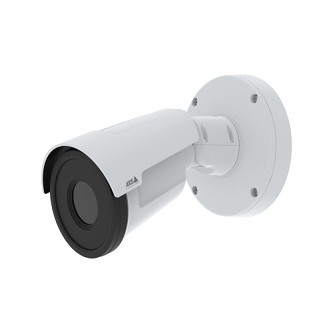
The Axis Q1972-E uses a 640×480 (VGA) uncooled microbolometer operating in the 8–14 μm spectrum with a thermal sensitivity of less than 20 mK at 25°C, paired with a 19mm F1.0 fixed, athermalized lens yielding a 31° horizontal × 24° vertical field of view. It supports dual frame-rate modes at 30 fps and 8.3 fps, delivers up to 20 simultaneous streams in H.265 or H.264, and includes an integrated 2.8m IR illuminator alongside Day/Night and image stabilization capabilities. The Q1972-E specs also confirm MJPEG as a third compression option.
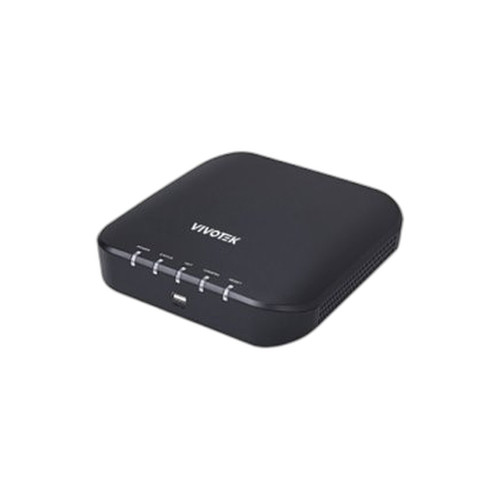
The Vivotek TB9332-E(50MM) features a slightly larger 640×512 thermal sensor—adding 32 additional vertical pixels—paired with a 50mm fixed thermal lens. It achieves 0 lux minimum illumination via passive thermal imaging alone and operates without any IR illuminators. Compression is H.265 and H.264; no MJPEG is listed in the provided specs. Frame rate, thermal sensitivity (NETD), and field of view are not specified in the available data. The 50mm focal length is notably longer than the Q1972-E's 19mm, indicating a narrower field of view and greater effective detection range at the cost of scene width.
What about installation and environment?
Both cameras carry an IP66 weatherproof rating for dust-tight and jet-water resistance. The Axis Q1972-E additionally holds an IK10 vandal resistance rating; no IK rating is listed for the Vivotek TB9332-E(50MM). The Q1972-E is powered by PoE+ at IEEE 802.3at Class 3, requiring a PoE+ capable switch or injector. The Vivotek unit draws only 802.3af Class 2 power—a lower budget that suits standard PoE switches without 802.3at ports. No operating temperature range is specified for the Q1972-E in the provided specs; the TB9332-E(50MM) is rated from -40°C to 60°C.
Mounting options differ: the Q1972-E supports wall, ceiling, and pendant configurations; the TB9332-E(50MM) specifies wall and pole mounts. The Q1972-E's bullet form factor lists a housing color of white and an outdoor environment rating. The TB9332-E(50MM) weighs 5.18 kg per the available specs; no weight is listed for the Q1972-E. Vivotek recommends CAT5e or CAT6 cabling compliant with 3P/ETL standards for the TB9332-E(50MM).
Which fits your VMS and analytics better?
Both cameras declare ONVIF compliance. The Vivotek TB9332-E(50MM) explicitly lists ONVIF Profile S, T, and G support, covering streaming, metadata/analytics, and edge recording interoperability. The Axis Q1972-E lists ONVIF without profile designations in the provided specs. For analytics, the Q1972-E ships with Axis Perimeter Defender and VMD; the TB9332-E(50MM) offers deep-learning analytics via an onboard DLPU—including fire detection and video motion detection—backed by 1 GB of RAM and a multimedia SoC. Both platforms therefore offer on-camera processing, but the TB9332-E(50MM)'s deep-learning fire detection is a distinct capability absent from the Q1972-E specs.
For audio, the Q1972-E provides a mono audio input; the TB9332-E(50MM) supports two-way audio. On-board storage favors the Vivotek unit, which includes 16 GB of onboard flash plus microSD expansion; the Q1972-E lists microSD support only. The Q1972-E specifies signed firmware, secure boot, and HTTPS encryption in its security feature set; equivalent security hardening specs are not listed for the TB9332-E(50MM). The Q1972-E carries a stated 5-year warranty; no warranty term is provided in the TB9332-E(50MM) specs.
Which should you choose: the Q1972-E or the TB9332-E?
Our take: The Q1972-E is the stronger choice when cybersecurity posture, Axis ecosystem integration (Perimeter Defender, AXIS Camera Station), and vandal resistance are primary requirements. It adds IK10 impact protection absent from the TB9332-E(50MM) spec sheet, a higher-assurance security stack (secure boot, signed firmware, HTTPS), and a documented 5-year warranty versus no stated term for the Vivotek. However, the TB9332-E(50MM) holds three meaningful advantages: its 640×512 sensor provides 32 additional vertical pixel rows for marginally finer thermal detail; its 802.3af Class 2 power draw works on any standard PoE switch without 802.3at upgrades; and its onboard DLPU-based fire detection and two-way audio expand detection use cases beyond motion perimeter. Choose the Q1972-E for hardened perimeter defense on Axis-centric VMS deployments; choose the TB9332-E(50MM) where 802.3af switch compatibility, fire detection analytics, or two-way audio are operationally required.
Side-by-Side Comparison
Spec-for-spec, from manufacturer data.
| Specification | Axis Q1972-E | Vivotek TB9332-E |
|---|---|---|
| Thermal Resolution | 640×480 (VGA) | 640×512 |
| Image Sensor | Uncooled microbolometer, 8–14 μm | Thermal imaging (type not specified in specs) |
| Thermal Sensitivity (NETD) | <20 mK @ 25°C | — |
| Lens / Focal Length | 19mm F1.0 fixed, athermalized | 50mm fixed thermal |
| Field of View (H×V) | 31° × 24° | — |
| Min Illumination | — | 0 lux (thermal) |
| IR Illuminator | Yes, 2.8m integrated | None (passive thermal) |
| Max Frame Rate | 30 fps / 8.3 fps (dual modes) | — |
| Video Compression | H.265; H.264; MJPEG | H.265; H.264 |
| IP Rating | IP66 | IP66 |
| IK / Impact Rating | IK10 | — |
| Operating Temperature | — | -40°C to 60°C |
| Power Input / PoE Class | PoE+ (802.3at) Class 3 | PoE (802.3af) Class 2 |
| ONVIF | Yes | Yes — Profile S/T/G |
| Edge Analytics | Perimeter Defender; VMD | DLPU deep learning; Fire detection; VMD |
| Audio | Input only (mono) | Two-way |
| On-Board Storage | microSD | 16 GB onboard + microSD |
| Secure Boot / Signed Firmware | Yes (both) | — |
| Mount Types | Wall; Ceiling; Pendant | Wall; Pole |
| Warranty | 5 years | — |
Frequently Asked Questions
Which should you choose: the Q1972-E or the TB9332-E?
The Q1972-E is the stronger choice when cybersecurity posture, Axis ecosystem integration (Perimeter Defender, AXIS Camera Station), and vandal resistance are primary requirements. It adds IK10 impact protection absent from the TB9332-E(50MM) spec sheet, a higher-assurance security stack (secure boot, signed firmware, HTTPS), and a documented 5-year warranty versus no stated term for the Vivotek. However, the TB9332-E(50MM) holds three meaningful advantages: its 640×512 sensor provides 32 additional vertical pixel rows for marginally finer thermal detail; its 802.3af Class 2 power draw works on any standard PoE switch without 802.3at upgrades; and its onboard DLPU-based fire detection and two-way audio expand detection use cases beyond motion perimeter. Choose the Q1972-E for hardened perimeter defense on Axis-centric VMS deployments; choose the TB9332-E(50MM) where 802.3af switch compatibility, fire detection analytics, or two-way audio are operationally required.
Is the Axis Q1972-E or Vivotek TB9332-E better for low-light detection?
Both are passive thermal cameras that detect heat signatures regardless of visible light, making 0 lux performance a feature of the technology class rather than a differentiator. The Q1972-E adds a 2.8m IR illuminator and lists a thermal sensitivity below 20 mK at 25°C for detecting subtle temperature differences; the TB9332-E(50MM) does not publish an NETD figure in the available specs, so a direct sensitivity comparison cannot be made on spec data alone.
Can I power either camera from a standard 802.3af PoE switch without an upgrade?
Only the Vivotek TB9332-E(50MM) is rated for 802.3af Class 2 power, which is compatible with standard PoE switches. The Axis Q1972-E requires PoE+ (802.3at) Class 3, meaning your switch or injector must support the higher 30W PoE+ standard—a potential infrastructure cost to account for during planning.
Which camera is better suited for detecting fires in addition to intruders?
The Vivotek TB9332-E(50MM) explicitly lists fire detection as an onboard analytic powered by its deep-learning processing unit (DLPU). The Axis Q1972-E's listed analytics are Perimeter Defender and VMD; fire detection is not listed in the provided specifications for that model.
Get a Second Opinion on Your Camera Choice
Share your site layout, coverage goals, and budget. Our team will validate the camera selection, flag anything we would change, and recommend products that match the use case.