
Aiphone IXG-MK vs Axis I5304: Specification Comparison
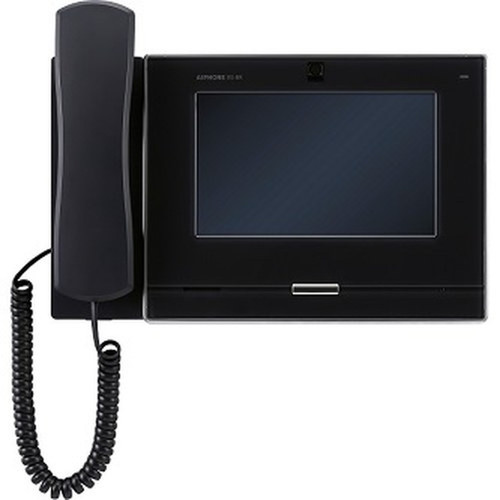
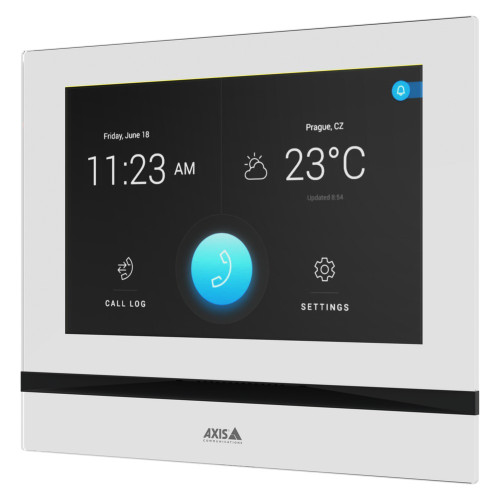
Both the Aiphone IXG-MK and the Axis I5304 are 7-inch touchscreen IP intercom indoor stations powered by PoE, designed for security reception or guard-post duty in commercial and enterprise access-control environments. Buyers evaluating either unit are typically specifying an answering/guard station to pair with door stations at entry points. This comparison examines how the two differ across audio-visual capability, power and physical integration, and software-platform compatibility — the three dimensions that most directly drive a purchasing decision in this product class.
In This Guide
- Which unit delivers better audio-visual performance for visitor identification?
- How do the two units compare on power draw, mounting flexibility, and physical installation?
- Which unit integrates more broadly with access-control and VoIP infrastructure?
- Which should you choose: the IXG-MK or the I5304?
- Side-by-Side Specs
- FAQ
Which unit delivers better audio-visual performance for visitor identification?
The Aiphone IXG-MK specifies a 720p video feed compressed in H.264 or MJPEG, with call recording to local storage. Its audio path is described as two-way VOX/handset with an audio input port, and the spec lists both hands-free full-duplex and push-to-talk modes, giving operators flexibility in noisy guard environments.
The Axis I5304 spec does not state a video resolution or compression codec. Audio is listed as full-duplex two-way with echo cancellation — a specific feature the Aiphone spec does not mention. Echo cancellation is meaningful in open-desk deployments where speaker feedback can degrade call clarity. Video recording capability is not listed for the I5304.
For buyers prioritising confirmed video resolution and on-device call recording, the IXG-MK has explicit specs supporting that. For buyers where audio clarity and echo-free hands-free operation are the primary concern, the I5304's echo-cancellation callout is relevant, though no video resolution is stated in the available spec data.
How do the two units compare on power draw, mounting flexibility, and physical installation?
The Aiphone IXG-MK draws under 13 W over PoE 802.3af and specifies Cat-5e or Cat-6 cabling. Physical dimensions are stated as 8-1/16" H × 11" W × 2-3/16" D. Mounting options include wall and rack (a stand is included for desk use), making it suitable for a conventional security-office rack bay as well as a flat-wall installation.
The Axis I5304 is listed as PoE-powered per IEEE PoE standards, but no wattage figure appears in the available spec data. Mounting options listed are wall, recessed, and desk — adding a recessed option not mentioned for the IXG-MK. Physical dimensions are not provided in the available spec data for the I5304.
The IXG-MK's explicit 802.3af / sub-13 W figure lets installers verify switch port budget immediately. The I5304's recessed-mount option is a differentiator for architects who need a flush-finished millwork installation, but the absence of a power budget figure means installers must consult Axis documentation before switch selection.
Which unit integrates more broadly with access-control and VoIP infrastructure?
The Aiphone IXG-MK carries an ONVIF flag (Yes) in the spec data and lists H.264 compression, which supports integration with ONVIF-compliant VMS platforms. It is designed within the Aiphone IXG IP intercom ecosystem. Wire type is Cat-5e or Cat-6; no SIP or third-party VoIP interoperability is stated in the available spec data.
The Axis I5304 runs the 2N OS platform and explicitly lists SIP connectivity alongside native compatibility with Axis IP intercom systems. Named compatible devices include the AXIS TI5201, TI5601, and TI5602. SIP support means the unit can register to a standard PBX or hosted VoIP platform without a proprietary controller, broadening deployment scope.
Buyers already invested in the Aiphone IXG ecosystem, or requiring ONVIF VMS integration for video, will find the IXG-MK a natural fit. Buyers running mixed-vendor SIP environments or Axis access-control infrastructure will benefit from the I5304's stated SIP compatibility and native 2N OS ecosystem, though ONVIF support for the I5304 is not stated in the available spec data.
Which should you choose: the IXG-MK or the I5304?
Our take: The IXG-MK is the stronger choice when confirmed video capability, explicit power budgeting, and ONVIF VMS integration are priorities. It states 720p H.264 video, on-device call recording, and a sub-13 W 802.3af power draw — three concrete figures the I5304 spec does not provide. The I5304 holds an advantage in platform breadth: its SIP compatibility and 2N OS allow registration to third-party PBX and VoIP systems, and its recessed-mount option suits architecturally finished lobbies. The I5304 also specifies echo cancellation, which the IXG-MK does not. The IXG-MK suits a guard-station or security-office deployment within an Aiphone IXG ecosystem or an ONVIF VMS environment. The I5304 suits a front-of-house reception or multi-site SIP deployment anchored in Axis or 2N infrastructure, particularly where clean audio and flexible mounting finishes matter more than a specified video resolution.
Side-by-Side Comparison
Spec-for-spec, from manufacturer data.
| Specification | Aiphone IXG-MK | Axis I5304 |
|---|---|---|
| Product Class | IP Video Guard Station | Network Answering Unit |
| Display Size | 7-inch touchscreen | 7-inch capacitive touch screen |
| Video Resolution | 720p | Not specified in available specs |
| Video Compression | H.264; MJPEG | Not specified in available specs |
| Audio Mode | Hands-free full-duplex; push-to-talk | Full-duplex two-way |
| Echo Cancellation | Not specified in available specs | Yes |
| Call Recording | Yes (local) | Not specified in available specs |
| Power Standard | PoE 802.3af | PoE (IEEE PoE) |
| Max Power Draw | <13 W | Not specified in available specs |
| Cabling | Cat-5e or Cat-6 | Not specified in available specs |
| Mounting Options | Wall; rack; desk stand | Wall; recessed; desk |
| ONVIF | Yes | Not specified in available specs |
| SIP Support | Not specified in available specs | Yes |
| Operating System / Platform | Not specified in available specs | Axis 2N OS |
| Ecosystem Compatibility | Aiphone IXG IP intercom | Axis IP intercoms; AXIS TI5201; TI5601; TI5602 |
| Warranty | 2-Year | 5-Year |
Frequently Asked Questions
Which should you choose: the IXG-MK or the I5304?
The IXG-MK is the stronger choice when confirmed video capability, explicit power budgeting, and ONVIF VMS integration are priorities. It states 720p H.264 video, on-device call recording, and a sub-13 W 802.3af power draw — three concrete figures the I5304 spec does not provide. The I5304 holds an advantage in platform breadth: its SIP compatibility and 2N OS allow registration to third-party PBX and VoIP systems, and its recessed-mount option suits architecturally finished lobbies. The I5304 also specifies echo cancellation, which the IXG-MK does not. The IXG-MK suits a guard-station or security-office deployment within an Aiphone IXG ecosystem or an ONVIF VMS environment. The I5304 suits a front-of-house reception or multi-site SIP deployment anchored in Axis or 2N infrastructure, particularly where clean audio and flexible mounting finishes matter more than a specified video resolution.
Does either unit support SIP so I can connect it to our existing office phone system?
Yes — the Axis I5304 explicitly lists SIP connectivity, which allows it to register to a standard SIP PBX or hosted VoIP platform. SIP support is not stated in the available spec data for the Aiphone IXG-MK, which is designed for the Aiphone IXG IP intercom ecosystem.
Which unit is easier to plan around when I'm budgeting switch PoE capacity?
The Aiphone IXG-MK specifies PoE 802.3af at under 13 W, giving you an exact ceiling to plan per-port power budget. The Axis I5304 lists PoE (IEEE PoE) as its power type but does not state a wattage figure in the available spec data — consult the Axis datasheet before finalising switch selection.
Is the IXG-MK or I5304 better for a flush-mounted installation in a finished reception desk or wall panel?
Based on the available specs, the Axis I5304 lists recessed mounting as a supported option alongside wall and desk, which suits a flush-finished millwork or drywall installation. The Aiphone IXG-MK lists wall and rack mounting with a desk stand included, but recessed mounting is not stated in its spec data.
More Intercom Comparisons
- Aiphone IX-MV7-HB vs Code Blue SLNP0029
- Aiphone IX-MV7-HB vs Axis I5304
- Aiphone IX-MV7-HB vs Aiphone IX-MV7-B
- Aiphone IX-MV7-HB vs Aiphone IXG-MK
- Code Blue SLNP0029 vs Aiphone IX-MV7-B
- Code Blue SLNP0029 vs Aiphone IXG-MK
Intercom Buying Guides
Get a Second Opinion on Your Camera Choice
Share your site layout, coverage goals, and budget. Our team will validate the camera selection, flag anything we would change, and recommend products that match the use case.