
ACTi ZNR-221P vs ACTi ZNR-127: Specification Comparison
Both the ACTi ZNR-221P and ACTi ZNR-127 are 16-channel NVRs from the same manufacturer, targeting small-to-medium IP camera deployments. The ZNR-221P is a desktop unit with onboard PoE switching, while the ZNR-127 is a compact mini standalone unit without onboard PoE. This comparison evaluates the two across the dimensions most relevant to an NVR purchasing decision: network throughput and channel capacity, storage architecture and physical form factor, and connectivity plus integration standards.

In This Guide
- Which NVR delivers more throughput for 16-channel concurrent streaming?
- How do the two units differ in storage capacity and physical deployment footprint?
- Which unit offers broader connectivity and camera ecosystem compatibility?
- Which should you choose: the ZNR-221P or the ZNR-127?
- Side-by-Side Specs
- FAQ
Which NVR delivers more throughput for 16-channel concurrent streaming?
The ZNR-221P is specified at 160 Mbps aggregate throughput, while the ZNR-127 is specified at 64 Mbps. Both units support 16 channels, but the ZNR-221P provides 2.5× the bandwidth headroom of the ZNR-127. At 160 Mbps, the ZNR-221P can sustain higher per-camera bitrates across all 16 channels simultaneously — relevant when deploying higher-resolution cameras or enabling concurrent live view plus playback. The ZNR-127's 64 Mbps ceiling is sufficient for modest-bitrate cameras but will constrain deployments where cameras stream at 4–8 Mbps each. Neither unit's maximum supported camera resolution is specified beyond VGA output resolution, so camera-side resolution ceilings cannot be compared from the provided data.
How do the two units differ in storage capacity and physical deployment footprint?
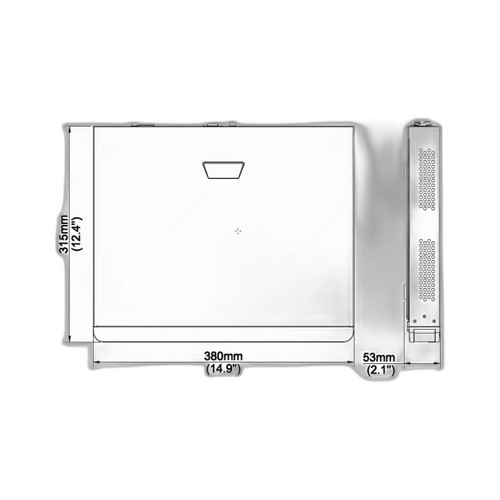
The ZNR-221P features a 2-bay design accepting either 3.5" or 2.5" drives, enabling RAID configurations or larger raw storage totals; drives are not included. The ZNR-127 is a single-bay SATA unit, also drive-not-included, limiting raw storage to one drive and precluding on-device redundancy. The ZNR-221P is described as a desktop NVR, while the ZNR-127 is described as a mini standalone NVR, indicating a smaller physical footprint for the ZNR-127. Installers with tight rack or shelf space may favor the ZNR-127's compact form, while those prioritizing storage scalability or on-device redundancy will find the ZNR-221P's dual-bay design more capable. Neither unit's physical dimensions or weight are provided in the supplied specifications.
Which unit offers broader connectivity and camera ecosystem compatibility?
The ZNR-221P includes onboard 802.3af PoE across its 16 ports, eliminating the need for external PoE switches or mid-span injectors. It also specifies audio input and DI/DO (digital input/digital output) ports, supporting alarm I/O integration. ONVIF compliance is not stated in the ZNR-221P's provided specifications. The ZNR-127 explicitly states ONVIF compliance and supports ONVIF-compliant IP cameras, which is a significant interoperability advantage for mixed-brand deployments. The ZNR-127 also specifies dual HDMI and VGA outputs for local display flexibility, whereas the ZNR-221P lists only VGA (640×480) as its resolution output spec — HDMI support for the ZNR-221P is not confirmed in the provided data. The ZNR-127 does not list onboard PoE, DI/DO, or audio input in its provided specifications.
Which should you choose: the ZNR-221P or the ZNR-127?
Our take: The ZNR-221P is the stronger choice when throughput, storage scalability, and integrated PoE switching are the priority; the ZNR-127 is the stronger choice when ONVIF interoperability, compact form factor, and dual-display output matter most. On throughput, the ZNR-221P's 160 Mbps outpaces the ZNR-127's 64 Mbps by 2.5×, supporting higher per-channel bitrates across all 16 streams. On storage, the ZNR-221P's dual-bay design accommodates two drives versus the ZNR-127's single bay, enabling greater capacity or on-device redundancy. On integration, the ZNR-127's stated ONVIF compliance makes it the safer fit for mixed-brand camera environments; ONVIF support is not confirmed for the ZNR-221P. Installers deploying ACTi-native cameras in bandwidth-intensive or storage-heavy small sites should favor the ZNR-221P; those needing a compact, display-flexible, brand-agnostic recorder should evaluate the ZNR-127.
Side-by-Side Comparison
Spec-for-spec, from manufacturer data.
| Specification | ACTi ZNR-221P | ACTi ZNR-127 |
|---|---|---|
| Channel Count | 16 | 16 |
| Form Factor | Desktop NVR | Mini Standalone NVR |
| Aggregate Throughput | 160 Mbps | 64 Mbps |
| Onboard PoE | Yes — 802.3af, 16 ports | — |
| PoE Standard | 802.3af | — |
| Storage Bays | 2-bay (3.5" or 2.5") | 1-bay SATA |
| Drives Included | No | No |
| ONVIF Compliance | — | Yes |
| Audio Support | Audio input | Supported |
| DI/DO | Yes | — |
| Display Output | VGA (640×480) | Dual HDMI + VGA |
| NDAA Compliant | Yes | — |
| Mount Type | Desktop | — |
| Compatible Deployment Size | Small | Small |
| Brand | ACTi | ACTi |
| MPN | ZNR-221P | ZNR-127 |
Frequently Asked Questions
Which should you choose: the ZNR-221P or the ZNR-127?
The ZNR-221P is the stronger choice when throughput, storage scalability, and integrated PoE switching are the priority; the ZNR-127 is the stronger choice when ONVIF interoperability, compact form factor, and dual-display output matter most. On throughput, the ZNR-221P's 160 Mbps outpaces the ZNR-127's 64 Mbps by 2.5×, supporting higher per-channel bitrates across all 16 streams. On storage, the ZNR-221P's dual-bay design accommodates two drives versus the ZNR-127's single bay, enabling greater capacity or on-device redundancy. On integration, the ZNR-127's stated ONVIF compliance makes it the safer fit for mixed-brand camera environments; ONVIF support is not confirmed for the ZNR-221P. Installers deploying ACTi-native cameras in bandwidth-intensive or storage-heavy small sites should favor the ZNR-221P; those needing a compact, display-flexible, brand-agnostic recorder should evaluate the ZNR-127.
Do I still need a separate PoE switch if I buy the ZNR-127?
Yes, based on the provided specifications. The ZNR-127 does not list onboard PoE. You would need an external 802.3af/at PoE switch or individual injectors to power IP cameras. The ZNR-221P, by contrast, includes 802.3af PoE across all 16 ports, eliminating that external hardware.
Can the ZNR-127 work with cameras from brands other than ACTi?
The ZNR-127 specifies ONVIF compliance and lists compatibility with ONVIF-compliant IP cameras, which supports multi-brand deployments. ONVIF compliance is not stated in the ZNR-221P's provided specifications, so its cross-brand compatibility cannot be confirmed from the supplied data.
Which NVR supports more storage, and can either unit run RAID?
The ZNR-221P supports two drive bays (3.5" or 2.5", not included), offering greater total capacity and the physical possibility of RAID, though RAID mode support is not explicitly stated in the provided specs. The ZNR-127 has a single SATA bay, limiting it to one drive. Neither unit includes drives. RAID capability is not confirmed for either model from the provided specifications.
Get a Second Opinion on Your Camera Choice
Share your site layout, coverage goals, and budget. Our team will validate the camera selection, flag anything we would change, and recommend products that match the use case.