
ACTi E217 vs ACTi Q22-K1: Specification Comparison
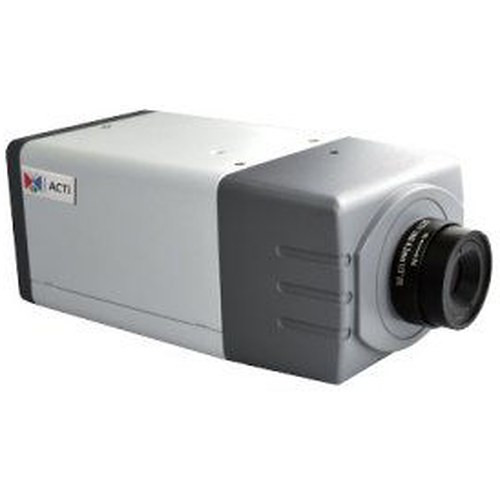
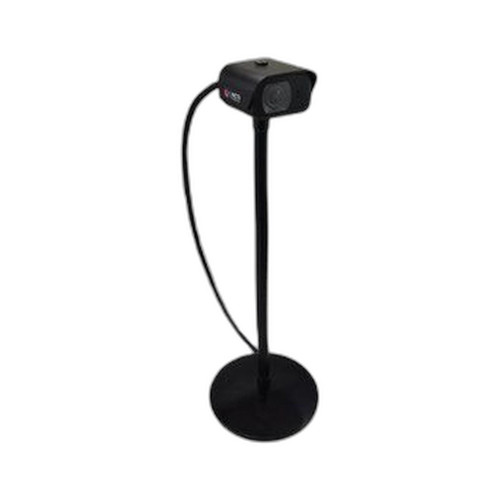
Both the ACTi E217 and ACTi Q22-K1 are 2MP fixed-lens box cameras from ACTi, positioned for network video deployments where PoE simplicity and ONVIF compatibility matter. The E217 is a full-size indoor box camera emphasizing high frame rates and advanced WDR, while the Q22-K1 is a compact micro box camera built for outdoor use with built-in audio. This comparison examines how their imaging capabilities, installation profiles, and integration features differ for installers and IT buyers evaluating either model.
In This Guide
How do the imaging specs compare?
Both cameras deliver 2MP resolution, but their imaging pipelines diverge meaningfully. The E217 is specified with Advanced WDR and achieves a maximum frame rate of 1080p at 60 fps, making it suited to scenes with rapid motion or demanding dynamic-range conditions such as backlit entryways and retail storefronts. It also carries an IR night-vision capability paired with a Day/Night designation and 2D+3D DNR analytics for low-light noise reduction. The Q22-K1 is listed with standard WDR only — the 'Advanced' qualifier is absent — and no maximum frame rate is provided in its specifications.
The E217's compression suite includes H.265, H.264, and MJPEG, giving storage architects the bitrate efficiency of H.265. The Q22-K1's compression support is not specified in the provided data. On the lens side, both cameras use a fixed lens; no focal length, aperture, or minimum illumination figure is provided for either model, so low-light sensitivity cannot be numerically compared from the available specifications.
What about installation and environment?
The E217 is powered via PoE 802.3af, which draws under 15.4W maximum and is compatible with standard unmanaged PoE switches — a straightforward fit for multi-camera budgeting. Its form factor is a standard box camera, and the provided specs indicate compatibility with medium-range deployments. No IP rating, IK rating, or operating temperature range is listed for the E217, so environmental suitability cannot be confirmed from the available data alone.
The Q22-K1 is designated as an outdoor micro box camera, implying weatherproofing, though no IP or IK rating is explicitly stated in the provided specifications. Its PoE class is listed generically as 'PoE' without an IEEE standard (802.3af or 802.3at) or wattage figure. Mounting options include wall, ceiling, and pole, giving installers flexibility for outdoor perimeter applications. No operating temperature range is provided for the Q22-K1 either, so cold- or hot-climate suitability must be confirmed against the manufacturer's full datasheet before specifying.
Which fits your VMS and analytics better?
The E217 supports both ONVIF and the ACTi-native VMS protocol, broadening its compatibility across third-party platforms while retaining full feature access on ACTi NVRs. Its listed analytics include 2D+3D DNR, which operates at the edge to improve image quality under low-light conditions. No audio input or output is specified for the E217, and no edge storage (SD card) capability is listed in the provided specifications.
The Q22-K1 lists ONVIF as its sole VMS compatibility, making it platform-agnostic but potentially limiting advanced feature access on non-ACTi VMS platforms. Notably, the Q22-K1 includes a built-in microphone, enabling audio capture for verbal incident verification or audio-triggered recording rules without an external mic — a meaningful differentiator for perimeter or access-point deployments. No edge analytics or on-board storage specification is provided for the Q22-K1.
Which should you choose: the E217 or the Q22-K1?
Our take: The E217 is the stronger choice when imaging performance and VMS flexibility are the primary criteria. Its Advanced WDR outclasses the Q22-K1's standard WDR for high-contrast scenes, its 1080p/60fps maximum frame rate supports motion-critical applications where the Q22-K1's frame rate is unspecified, and its H.265/H.264/MJPEG compression suite offers proven storage savings that the Q22-K1 cannot be confirmed to match. The E217 also carries dual ONVIF and ACTi-native VMS compatibility versus the Q22-K1's ONVIF-only listing. However, the Q22-K1 holds meaningful advantages where they matter: its outdoor micro box form factor suits compact perimeter or covert mounting scenarios, its three mounting modes (wall, ceiling, pole) add deployment flexibility, and its built-in microphone enables audio verification without additional hardware. Neither model's IP rating or operating temperature is confirmed in the provided specifications, so environmental suitability for outdoor use must be verified against full manufacturer datasheets before specifying either unit.
Side-by-Side Comparison
Spec-for-spec, from manufacturer data.
| Specification | ACTi E217 | ACTi Q22-K1 |
|---|---|---|
| Resolution | 2 MP | 2 MP |
| Camera Type | Box Camera | Micro Box Camera |
| Environment | Not specified | Outdoor |
| Lens Type | Fixed | Fixed |
| IR / Night Vision | IR (Day/Night) | — |
| WDR | Advanced WDR | WDR |
| Max Frame Rate | 1080p / 60 fps | — |
| Video Compression | H.265; H.264; MJPEG | — |
| DNR / Analytics | 2D+3D DNR | — |
| Power / PoE Standard | PoE (802.3af) | PoE (standard not specified) |
| VMS Compatibility | ONVIF; ACTi | ONVIF |
| Audio | — | Built-in microphone |
| Mount Types | — | Wall; Ceiling; Pole |
Frequently Asked Questions
Which should you choose: the E217 or the Q22-K1?
The E217 is the stronger choice when imaging performance and VMS flexibility are the primary criteria. Its Advanced WDR outclasses the Q22-K1's standard WDR for high-contrast scenes, its 1080p/60fps maximum frame rate supports motion-critical applications where the Q22-K1's frame rate is unspecified, and its H.265/H.264/MJPEG compression suite offers proven storage savings that the Q22-K1 cannot be confirmed to match. The E217 also carries dual ONVIF and ACTi-native VMS compatibility versus the Q22-K1's ONVIF-only listing. However, the Q22-K1 holds meaningful advantages where they matter: its outdoor micro box form factor suits compact perimeter or covert mounting scenarios, its three mounting modes (wall, ceiling, pole) add deployment flexibility, and its built-in microphone enables audio verification without additional hardware. Neither model's IP rating or operating temperature is confirmed in the provided specifications, so environmental suitability for outdoor use must be verified against full manufacturer datasheets before specifying either unit.
Is the E217 or Q22-K1 better for low-light performance?
Based on the provided specifications, the E217 has a confirmed IR night-vision capability and Day/Night designation along with 2D+3D DNR noise reduction. The Q22-K1 does not list IR, Day/Night designation, or DNR in its provided specs, so the E217 has a documented low-light advantage. Minimum illumination figures are absent for both models and should be confirmed in each product's full datasheet.
Can the Q22-K1 be used outdoors while the E217 cannot?
The Q22-K1 is explicitly designated as an outdoor micro box camera. The E217 carries no outdoor designation or IP rating in the provided specifications, suggesting indoor suitability for the E217 and outdoor suitability for the Q22-K1 — but neither model's IP rating is confirmed in the available data. Installers should verify IP and IK ratings in the full manufacturer datasheets before making final outdoor deployment decisions.
Does either camera support audio recording out of the box?
Yes — the Q22-K1 includes a built-in microphone, enabling audio capture without any additional hardware. The E217 has no audio input or output listed in its provided specifications, so audio recording would require an external device if needed.
Get a Second Opinion on Your Camera Choice
Share your site layout, coverage goals, and budget. Our team will validate the camera selection, flag anything we would change, and recommend products that match the use case.