
Construction Site Surveillance Buying Checklist
Construction site surveillance proposals vary wildly in quality. This checklist walks through the 20 questions we ask on every proposal.
Bottom Line
A construction surveillance proposal is ready when you can answer yes to every question below. Portable vs fixed, active deterrence strategy, OSHA retention, and relocation plan for project phases are the priorities most often missed.
Our team runs this checklist on every construction proposal.
Best For
- General contractors
- Project managers
- Owner's representatives
- Site security directors
Not For
- Completed buildings
- Residential
In This Guide
Construction-Specific Priorities
Portable vs fixed decision (project duration and infrastructure), weather hardening (IP66+), active deterrence strategy (cameras + lighting + monitoring), gate LPR, perimeter coverage, OSHA retention (5 years for reportable incidents), and relocation plan as phases advance.
Recommended Construction Products
Anchor picks for construction deployment.
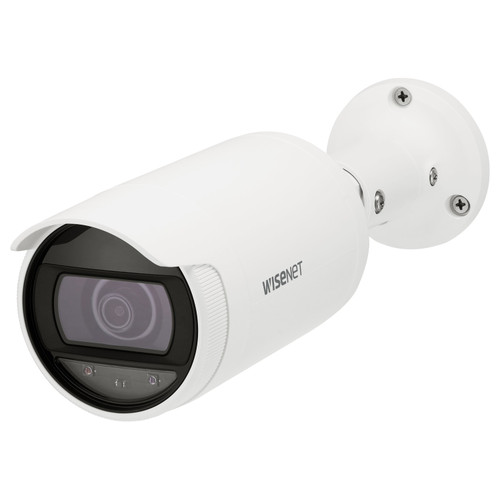
Hanwha
Hanwha ANO-L7012R 4MP Wide-Angle Low Light Outdoor Bullet IP Camera
ANO-L7012R
Outdoor perimeter coverage.
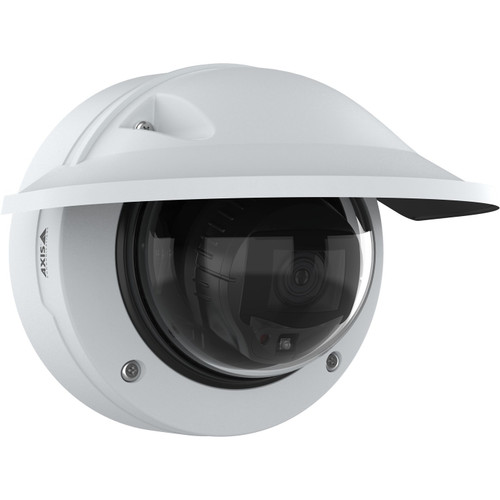
Axis
Axis P3277-LVE 5MP Outdoor AI IR Dome Camera - 03153-001
03153-001
Axis IP66 outdoor.
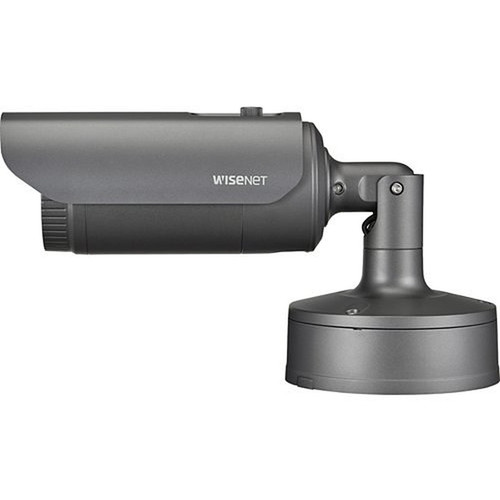
Hanwha
Hanwha XNO-6120R/LPR 2MP License Plate Recognition Camera
XNO-6120R/LPR
Vehicle tracking.
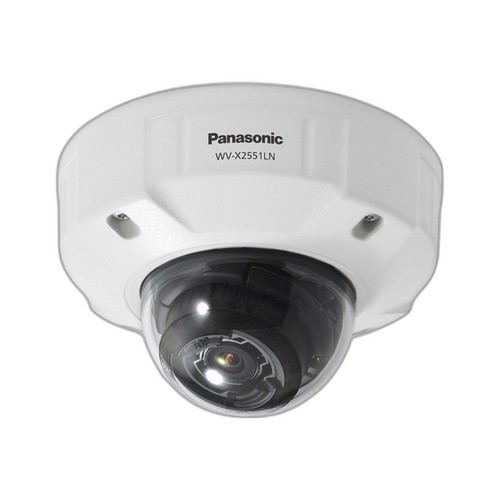
i-PRO
i-PRO WV-X2551LN 5MP AI-Enhanced Fixed Outdoor Dome IP Camera
WV-X2551LN
High-risk zone analytics.
The 20-Question Construction Site Surveillance Checklist
Walk through before approving any construction proposal.
Is portable vs fixed decision made?
Based on project duration and infrastructure.
Are cameras rated IP66 or better?
Construction environment requires weather hardening.
Is operating temperature range specified?
-22F to +140F for all-season.
Is perimeter covered at 100-150 ft spacing?
Fence line coverage.
Is gate covered with LPR?
Vehicle access tracking.
Is the equipment yard covered?
Copper, tools, high-value materials.
Is the tool crib covered?
Daily accountability plus theft deterrence.
Are OSHA high-risk zones covered?
Fall risk, crane swing, excavation.
Is active deterrence (lighting + monitoring) specified?
Cameras alone do not prevent theft.
Is a monitoring service with voice-down included?
Drops active theft attempts.
Is cellular data plan included (portable systems)?
Monthly service cost.
Is solar sizing adequate for seasonal variation?
Winter solar performance.
Is battery backup sized for overcast days?
3-7 day autonomy typical.
Is retention 30 days general + 5 years OSHA-reportable?
Regulatory requirement.
Is relocation plan documented for project phases?
Cameras move as site evolves.
Is project manager mobile app access specified?
Remote visibility.
Is multi-site federation available (large operators)?
Multi-project coordination.
Is UPS or battery backup for trailer NVR?
Power interruption during construction.
Is cybersecurity baseline configured?
Non-default passwords, certs, firmware.
Is post-deployment monitoring and maintenance plan clear?
Who responds to camera failures.
Frequently Asked Questions
Should I use portable or fixed cameras?
Portable for projects under 12 months or sites without power. Fixed for 12+ month projects with temporary power.
What's the monthly cost of portable construction surveillance?
$800-$1,500/month for 8-camera deployment with monitoring service.
What's the most-missed item in construction proposals?
Active deterrence strategy. Cameras alone do not prevent theft; lighting + monitoring service is essential.
How do we handle OSHA retention?
5 years for reportable incidents (fatalities, hospitalizations, amputations). Longer for workers' comp and litigation holds.
Can we relocate cameras as the project phases?
Yes. Portable systems are designed for this; fixed cameras require re-commissioning but can be moved.
No Bots, Just Experts
No bots, just experts. Free pre-sales support for every customer — product questions, BOM quotes, compatibility checks, price confirmation — typically answered within one business day. Paid services available like full system design, remote installation, and more. Got a BOM ready? Free project-pricing quote with volume discount on qualifying orders. Need the BOM designed first? Engineering time is $175/hour — we scope the hours with you before purchase, then deliver the designed BOM. Hardware buyers get up to one hour ($175) credited back against their order as a thank-you.