
Best Construction Site Security Camera Systems
Construction sites have surveillance needs no commercial facility has: no permanent power, no network infrastructure, weather-exposed 24/7, sight conditions change weekly as the project phases advance, and theft of copper wire, tools, and equipment is a constant risk. This guide walks through the camera systems that actually work on construction sites.
Bottom Line
For most construction sites, portable solar-and-cellular systems are the right call — they deploy in hours, scale to match the project phase, and relocate as the site changes. Fixed cameras make sense for long-duration projects with temporary power; perimeter bullets with LPR at the gate document vehicle access; OSHA incident documentation benefits from AI-enabled cameras at high-risk positions.
Our team specifies construction site surveillance across commercial, multifamily, and industrial projects.
Best For
- General contractors responsible for site security
- Owner's representatives evaluating contractor surveillance plans
- Construction project managers facing theft or OSHA concerns
- Portable surveillance service providers
- Developers on multi-phase projects
Not For
- Completed commercial buildings (use office or warehouse guides)
- Residential renovation projects
- Infrastructure or roadway construction (different requirements)
In This Guide
Construction-Specific Priorities
Portable deployment. Solar-and-cellular systems deploy in hours without permanent power or network. Relocate as the project phases advance.
Weather hardening. IP66 or better, wind-rated mounting, operating temperature range -22F to +140F for all-season deployment.
Theft deterrence. Copper wire, tools, and equipment are prime theft targets. Cameras combined with motion-triggered lighting and monitoring services create active deterrence.
OSHA incident documentation. Fall, injury, and equipment incidents need footage for investigation and insurance response.
Vehicle and equipment tracking. LPR at the gate captures every vehicle; equipment tracking supports theft recovery.
Remote monitoring. Project managers and owner's reps check site from off-site. Cellular-backed VMS enables real-time visibility without on-site network.
Multi-phase adaptability. Camera positions change as the site evolves. Easy relocation and re-commissioning matters.
Portable Solar-and-Cellular vs Fixed Systems
Choose between portable and fixed based on project duration and infrastructure availability:
Portable solar-and-cellular (trailer or pole-mounted): Best for short-duration projects (under 12 months), remote sites without power, multi-phase projects where cameras need to move. Deploys in hours, scales 4-16 cameras per unit. Monthly service fee typical; cellular data plan included.
Fixed cameras with temporary power: Best for long-duration projects (12+ months) where temporary construction power is available. Wired Ethernet to trailer NVR. Lower ongoing cost than portable but higher install complexity.
Hybrid (fixed perimeter + portable interior): Long-duration projects often use fixed perimeter cameras with portable units covering active work zones that relocate as phases change.
Cost comparison (12-month project, 8 cameras): Portable service $800-$1,500/month → $10,000-$18,000 total. Fixed install $15,000-$25,000 + ongoing monitoring. For projects under 6 months, portable is almost always more economical.
No Bots, Just Experts
No bots, just experts. Free pre-sales support for every customer — product questions, BOM quotes, compatibility checks, price confirmation — typically answered within one business day. Paid services available like full system design, remote installation, and more. Got a BOM ready? Free project-pricing quote with volume discount on qualifying orders. Need the BOM designed first? Engineering time is $175/hour — we scope the hours with you before purchase, then deliver the designed BOM. Hardware buyers get up to one hour ($175) credited back against their order as a thank-you.
Theft Deterrence Strategy
Construction theft is opportunistic and often happens at night or weekends when the site is unmanned. Effective deterrence combines cameras with:
Motion-triggered lighting. Bright lighting at activity areas disrupts theft in progress. Thieves avoid well-lit sites.
Live monitoring service with voice-down. Monitoring service delivers live announcements ("We see you; police have been called") when motion is detected. Drops active theft attempts significantly.
LPR at site entry. Captures every vehicle entering. Repeat-vehicle investigation for pattern theft.
Equipment-yard fencing and cameras. Copper wire and high-value materials in a dedicated fenced yard with cameras at corners and gate.
Tool crib coverage. Fixed cameras at tool storage area. Support both theft and daily-accountability workflows.
Overnight guards with camera backup. Some sites hire overnight security guards; cameras back up the guard presence and provide evidence if an incident occurs.
OSHA Incident Documentation
OSHA-reportable incidents (fatalities, hospitalizations, amputations) require specific documentation within narrow timeframes. Cameras support this workflow:
Incident retrieval workflow. Footage from the time and location of the incident pulled within hours of the event.
AI analytics for fall detection (optional). Some advanced AI cameras detect fall events in real-time. Expensive but useful at high-risk height positions.
Equipment operation coverage. Crane, excavator, and heavy-equipment zones covered for operator accountability and incident investigation.
High-risk zone coverage. Excavation areas, roof edges, scaffold-staging, crane swing zones.
Retention matching OSHA timeline. 5 years for OSHA-reportable incidents; longer for workers' comp.
Recommended Construction Site Cameras
Five picks that cover fixed-deployment construction surveillance. For portable solar-and-cellular, partner with a site-services vendor using comparable cameras.
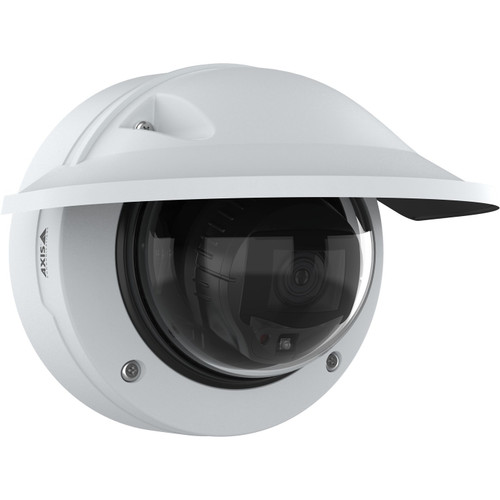
Axis
Axis P3277-LVE 5MP Outdoor AI IR Dome Camera - 03153-001
03153-001
Axis P3277-LVE IP66 outdoor dome for fixed perimeter and high-value zones. Lightfinder 2.0 for mixed lighting conditions.
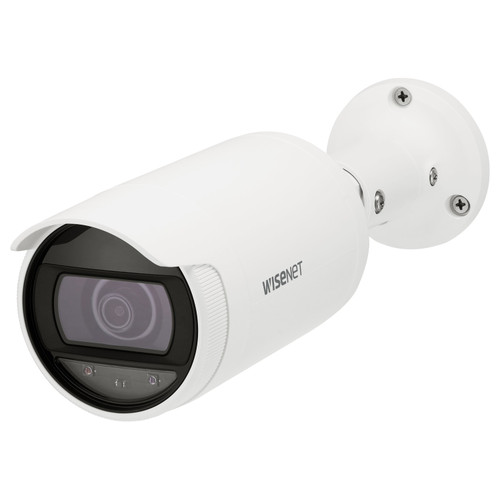
Hanwha
Hanwha ANO-L7012R 4MP Wide-Angle Low Light Outdoor Bullet IP Camera
ANO-L7012R
Outdoor bullet for perimeter, equipment yard, and tool crib. Low-light capable for 24/7 operation.
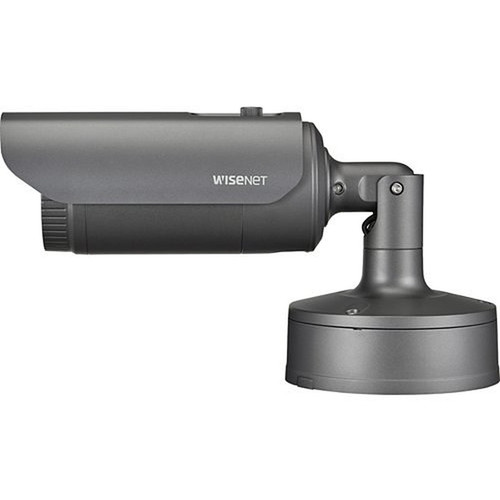
Hanwha
Hanwha XNO-6120R/LPR 2MP License Plate Recognition Camera
XNO-6120R/LPR
LPR at site entry for vehicle tracking. Captures all access regardless of time of day.
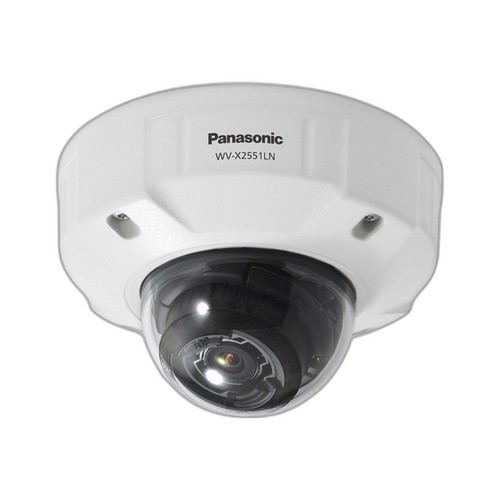
i-PRO
i-PRO WV-X2551LN 5MP AI-Enhanced Fixed Outdoor Dome IP Camera
WV-X2551LN
i-PRO AI outdoor dome for high-risk position documentation. Edge AI supports real-time fall and proximity analytics.
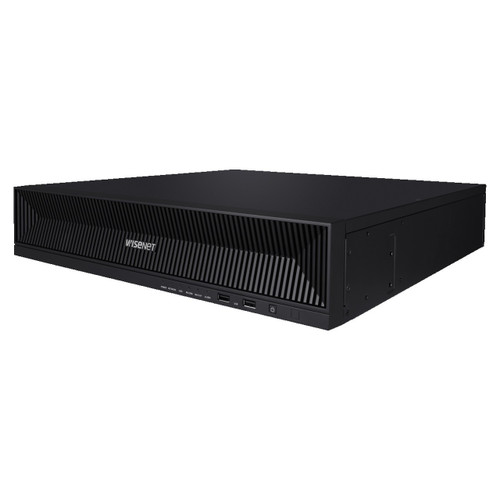
Hanwha
Hanwha XRN-1620B2 16-Channel 4K NVR
XRN-1620B2
16-channel 4K NVR for trailer-based fixed deployments. Hanwha Wisenet WAVE mobile-app for project manager remote access.
Also Consider
Large NVR and thermal for specific use cases.
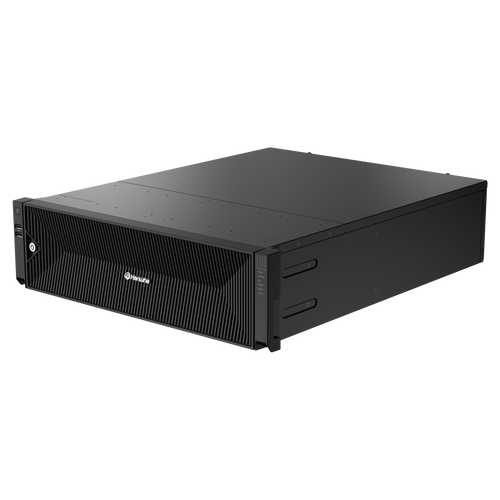
Hanwha
Hanwha XRN-3220B4 32-Channel 8K Network Video Recorder
XRN-3220B4
32-channel for large multi-trailer sites.
Frequently Asked Questions
Should I use portable or fixed cameras for my construction site?
Portable solar-and-cellular for projects under 12 months or remote sites without power. Fixed cameras for long-duration projects (12+ months) with temporary power. Hybrid for long-duration with changing phases.
How do portable construction cameras work?
Trailer or pole-mounted units with solar panels, battery backup, cellular data, and integrated cameras. Deploys in hours. Monthly service fee typical; cellular plan included.
What's the monthly cost of portable construction surveillance?
$800-$1,500/month for a standard 8-camera deployment with monitoring service. Scales with camera count and service level.
Can cameras stop construction theft?
Cameras deter and document but do not physically stop active theft. Effective deterrence combines cameras with motion-triggered lighting, monitoring service voice-down, and perimeter fencing.
What retention for construction site footage?
30 days general site coverage. 5 years minimum for OSHA-reportable incidents; longer for workers' comp incidents and litigation holds.
Do we need LPR at the construction gate?
Recommended for larger projects. Captures every vehicle entering for accountability, delivery documentation, and theft investigation.
No Bots, Just Experts
No bots, just experts. Free pre-sales support for every customer — product questions, BOM quotes, compatibility checks, price confirmation — typically answered within one business day. Paid services available like full system design, remote installation, and more. Got a BOM ready? Free project-pricing quote with volume discount on qualifying orders. Need the BOM designed first? Engineering time is $175/hour — we scope the hours with you before purchase, then deliver the designed BOM. Hardware buyers get up to one hour ($175) credited back against their order as a thank-you.