
Best License Plate Cameras for Commercial Lots
License plate recognition has moved from specialty application to baseline requirement at commercial gates, warehouse yards, auto dealerships, and self-storage facilities. The product range is wide — from $500 fixed-capture cameras to $3,000+ high-speed AI LPR systems. This guide walks through the cameras we specify for commercial-lot deployments, with real recommendations by use case and budget.
Bottom Line
For most commercial-lot deployments at 10 to 35 MPH gate speeds, the Hanwha XNO-6120R/LPR is the right pick — NDAA-compliant, proven at mid-range distances, and priced for multi-gate rollouts. Step up to the Hanwha PNB-A9091RLPH 4K AI LPR for high-value or low-light deployments, or the Axis Q1800-LE when standardized on the Axis stack. For lots where vehicles are parked rather than passing, the Digital Watchdog DWC-LPR650UW is a budget-friendly option.
Our team has specified LPR cameras for warehouse gates, auto dealerships, self-storage, and multifamily lots across hundreds of commercial deployments. The picks below reflect what actually works at each speed and distance profile.
Best For
- Warehouse operators tracking inbound/outbound trucks at gate and dock entries
- Auto dealerships monitoring lot inventory and test-drive departures
- Self-storage facilities matching vehicle entries to unit access
- Multifamily properties running resident and guest parking enforcement
- Commercial construction yards tracking equipment and material vehicles
Not For
- Residential driveways — consumer-grade LPR apps on general-purpose cameras are sufficient
- High-speed highway-scale capture (60+ MPH) — requires specialized LPR hardware
- Lots where no specific capture event exists (just a camera pointed at a lot is not LPR)
In This Guide
What Matters in LPR Camera Selection
LPR is a specialty camera application with three defining requirements: vehicle speed, capture distance, and lighting conditions. A camera that reads plates reliably at 15 MPH within 30 feet under daylight will fail at 40 MPH or at night or at 60 feet. Matching the camera specification to the actual capture scenario is the single biggest driver of LPR accuracy.
Vehicle speed: Commercial-lot LPR typically operates in the 5 to 35 MPH range (gate entries, dock approaches, lot circulation). Most mid-tier LPR cameras handle this range reliably. Highway-speed LPR (60+ MPH) is a different product category.
Capture distance: 15 to 45 feet is the commercial-lot sweet spot. At that range, the plate is large enough for reliable character recognition but the camera does not need a specialized long-focal lens. Beyond 45 feet, plan for a dedicated optical LPR system.
Lighting: Daylight-only LPR is easier and cheaper. 24/7 LPR requires IR illumination matched to the camera, and plate reflectivity becomes a factor — some states' plates reflect IR better than others, and plate condition (dirt, snow, damage) affects reliability.
AI versus rules-based LPR: Newer LPR cameras run on-device AI that improves dramatically on oblique angles, partial plates, and non-standard fonts. AI LPR is roughly 20 to 30 percent more accurate than rules-based LPR in real-world conditions, and the premium has shrunk to the point where AI is the default specification for new deployments.
LPR Camera Placement
Mounting angle: The optimal angle for plate capture is 15 to 30 degrees off-axis from the vehicle path. Directly head-on captures are harder because plate pitch is flat to the sensor; off-axis captures use the plate's natural angle to improve character separation.
Mounting height: 8 to 10 feet for single-lane gate captures; 10 to 14 feet for multi-lane or wider lot captures. Higher mounts need wider lenses or larger sensors to maintain the capture resolution at the plate.
Cable and power: LPR cameras are often positioned at gates or fence lines where PoE cable runs exceed the 100-meter limit. Plan for PoE extenders or fiber-to-copper at the gate, or use LTE-backhauled LPR cameras at the most remote positions.
Lane configuration: For two-lane gates, two dedicated LPR cameras (one per lane) outperform one wide-angle camera trying to cover both. The second camera is the cost of reliability for gate enforcement.
LPR Software and VMS Integration
Most commercial-grade LPR cameras include on-board LPR processing and publish recognized plates as metadata events. The events can be consumed by the VMS platform (for recording triggers and search), the access-control system (for automated gate opening), or a standalone LPR database (for audit and investigation).
Axis LPR uses the AXIS License Plate Verifier application running on the camera, with events published to AXIS Camera Station or to third-party VMS via ACAP. The Axis Q1800-LE handles mid-range capture well; for higher-resolution capture or denser traffic, the Axis P1468-LE with LPR application upgrades the capability.
Hanwha Wisenet LPR runs on-device or on-NVR LPR, with events integrated into Hanwha WAVE and third-party VMS. The XNO-6120R/LPR is the budget-accessible entry point; the PNB-A9091RLPH adds 4K AI for demanding conditions; the TNO-7180RLP is the high-speed option for gates with faster vehicle flow.
Third-party LPR platforms like Vigilant Solutions, Genetec AutoVu, and OpenALPR add enterprise-scale plate databases, hot-list matching, and multi-site federation. Commercial-lot deployments typically do not need the enterprise LPR tier, but the option exists if federation or investigation workflows become a requirement.
Our Commercial LPR Camera Picks
Six LPR cameras that cover the full range of commercial-lot deployments — from gate speeds of 5 to 50 MPH, capture distances of 15 to 60 feet, and budget tiers from $500 to $3,000 per camera.
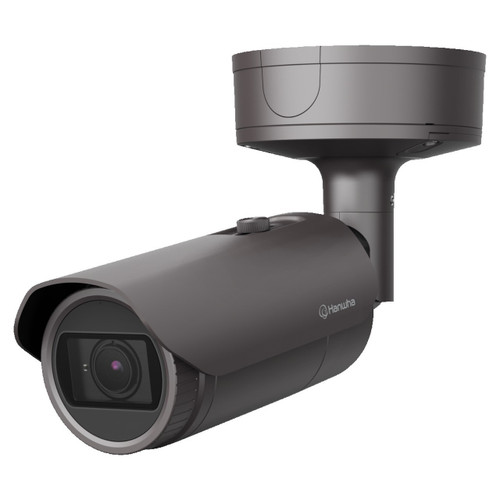
Hanwha
Hanwha PNB-A9091RLPH 4K Outdoor AI IR LPR Box IP Camera Kit
PNB-A9091RLPH
4K AI LPR with dedicated IR illumination. Handles the hardest lighting and angle scenarios — night, winter glare, non-standard plates. The default pick for high-value gate deployments.
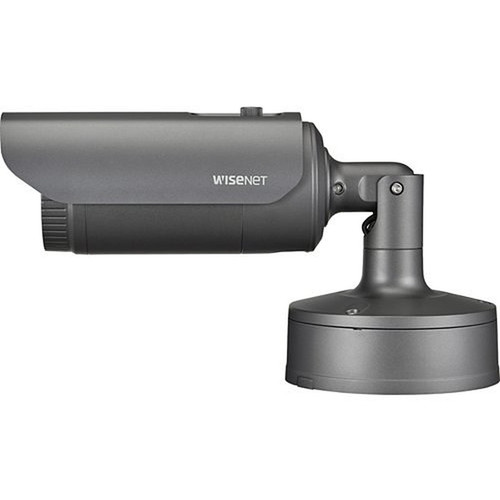
Hanwha
Hanwha XNO-6120R/LPR 2MP License Plate Recognition Camera
XNO-6120R/LPR
2MP Hanwha LPR at a commercial-accessible price point. Covers 5 to 35 MPH at 15 to 45 foot capture distance — the specification sweet spot for most warehouse and commercial-lot gates.
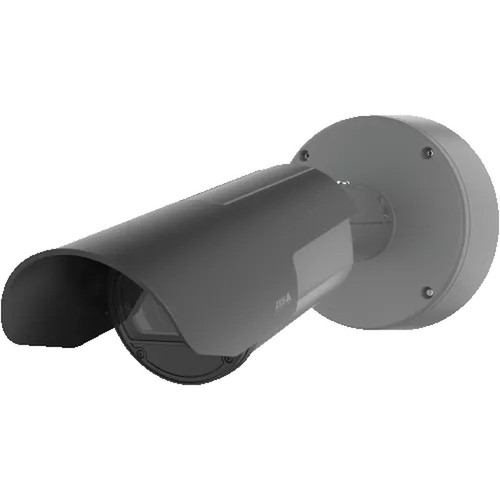
Axis
Axis Q1800-LE License Plate Recognition Camera - 03107-001
03107-001
Axis Q1800-LE for facilities standardized on Axis cameras. AXIS License Plate Verifier application, integrates natively with Axis Camera Station and major third-party VMS platforms.
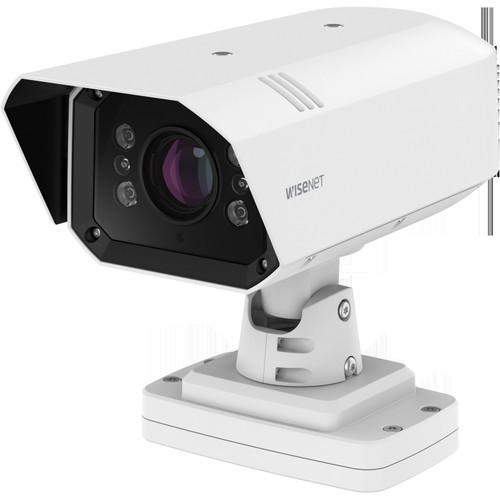
Hanwha
Hanwha TNO-7180RLP 3MP High-Speed LPR IP Camera
TNO-7180RLP
3MP high-speed Hanwha LPR for gate or yard positions with faster vehicle flow. Handles 35 to 50 MPH reliably. The choice for facilities where the standard mid-speed LPR does not keep up.
Digital Watchdog
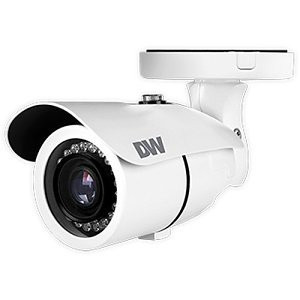
Digital Watchdog DWC-LPR650UW 2MP License Plate Recognition IR Camera
DWC-LPR650UW
Digital Watchdog 2MP LPR at roughly one-third the cost of mid-tier options. Best fit for lot-inventory and parked-vehicle scenarios, or low-traffic gates where the reliability requirement is less strict.
Vivotek
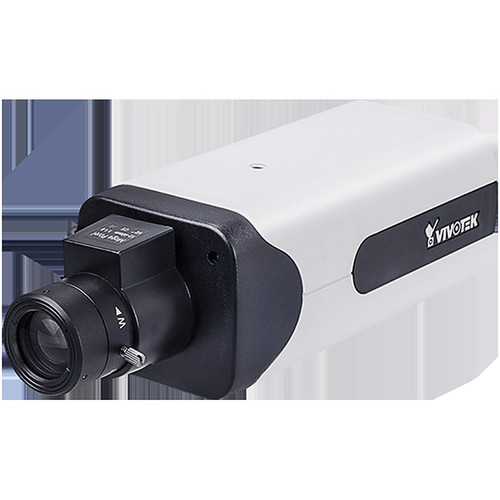
Vivotek IP9165 LPCKIT S2 v2 2MP Outdoor License Plate Capture Kit
IP9165-LPCKIT-S2-v2
Vivotek 2MP outdoor LPR kit with pre-configured optics and housing. Good fit for integrators who want a packaged LPR solution rather than building from camera plus lens plus license.
Also Consider: Specialized LPR Options
Additional options for existing Axis deployments (software-only upgrade), vandal-rated PTZ positions, and night-only LPR scenarios. All NDAA-safe choices from Axis, Hanwha, and Digital Watchdog.
Axis
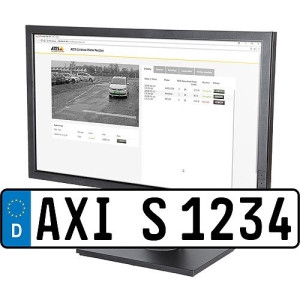
Axis 01574-001 License Plate Verifier Software
01574-001
Axis License Plate Verifier software license for Axis cameras that support ACAP. Upgrade path for existing Axis camera deployments that want to add LPR without replacing the hardware.
Hanwha
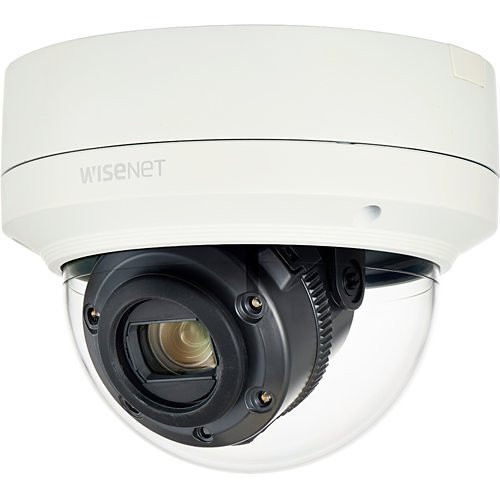
Hanwha XNV-6120R/LPR 2MP LPR PTZ Dome Camera
XNV-6120R/LPR
Vandal-rated PTZ variant of the XNO-6120R/LPR. For gate positions where the camera is accessible and impact-rating matters, or where PTZ capability is needed for multi-lane flex coverage.
Digital Watchdog
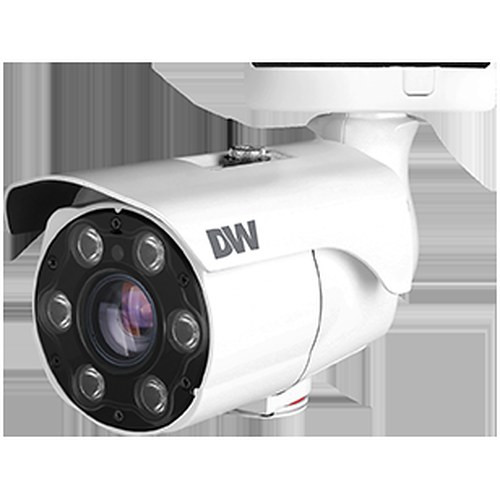
Digital Watchdog DWC-MB44LPRWC5 4MP IR Outdoor Bullet IP Camera
DWC-MB44LPRWC5
Digital Watchdog 4MP IR outdoor bullet with LPR. Higher resolution than the LPR650UW, dedicated IR for night-only LPR scenarios. Good fit for unlit lots or remote yard positions.
Frequently Asked Questions
How much does a commercial LPR camera cost?
Budget LPR cameras start around $500 to $900 (Digital Watchdog LPR650UW, Vivotek IP9165-LPC). Mid-tier commercial LPR runs $1,200 to $1,800 (Hanwha XNO-6120R/LPR, Axis Q1800-LE). Premium AI LPR with 4K and dedicated IR is $2,500 to $3,500 (Hanwha PNB-A9091RLPH, TNO-7180RLP).
At what vehicle speed do I need a high-speed LPR camera?
Standard commercial LPR cameras handle 5 to 35 MPH reliably. At 35 to 50 MPH, the Hanwha TNO-7180RLP or equivalent high-speed LPR is the right choice. Above 50 MPH, plan for highway-grade LPR hardware which is a different product category.
Do LPR cameras work at night?
Yes — with dedicated IR illumination matched to the camera. Cameras like the Hanwha PNB-A9091RLPH include integrated IR specifically tuned for plate reflectivity. General-purpose outdoor cameras with standard IR often fail at LPR because the IR wavelength is not optimized for plate retroreflection.
How accurate is AI LPR compared to rules-based LPR?
In real-world conditions with mixed plate states, weather, and angles, AI LPR runs 20 to 30 percent more accurate than rules-based LPR. The difference is largest on oblique angles, partial plates, and non-standard fonts (trailer plates, specialty tags, multi-state fleets).
Can I use a regular IP camera as an LPR camera with software?
Sometimes — if the camera supports a third-party LPR application (Axis ACAP, OpenALPR, Vigilant Plate Reader) and has the resolution and frame rate headroom. But dedicated LPR cameras have optics, sensor tuning, and firmware specifically calibrated for plate capture, and they consistently outperform general-purpose cameras running LPR software.
Are all commercial LPR cameras NDAA-compliant?
No. Hikvision and Dahua both offer LPR cameras but are on the Section 889 blocked list. The NDAA-compliant LPR choices are Axis, Hanwha Vision, Digital Watchdog, Vivotek (with a compliance statement), and i-PRO — all of which are featured in this guide.
Do I need a separate LPR server or database?
Not for single-site commercial-lot deployments. On-device LPR publishes plate events to the VMS (Hanwha WAVE, Axis Camera Station, Milestone, Genetec, etc.), which handles search and recording triggers natively. Separate LPR servers are a multi-site or enterprise-federation requirement, not a commercial-lot requirement.
No Bots, Just Experts
No bots, just experts. Free pre-sales support for every customer — product questions, BOM quotes, compatibility checks, price confirmation — typically answered within one business day. Paid services available like full system design, remote installation, and more. Got a BOM ready? Free project-pricing quote with volume discount on qualifying orders. Need the BOM designed first? Engineering time is $175/hour — we scope the hours with you before purchase, then deliver the designed BOM. Hardware buyers get up to one hour ($175) credited back against their order as a thank-you.