What power supply do I need for a magnetic lock?
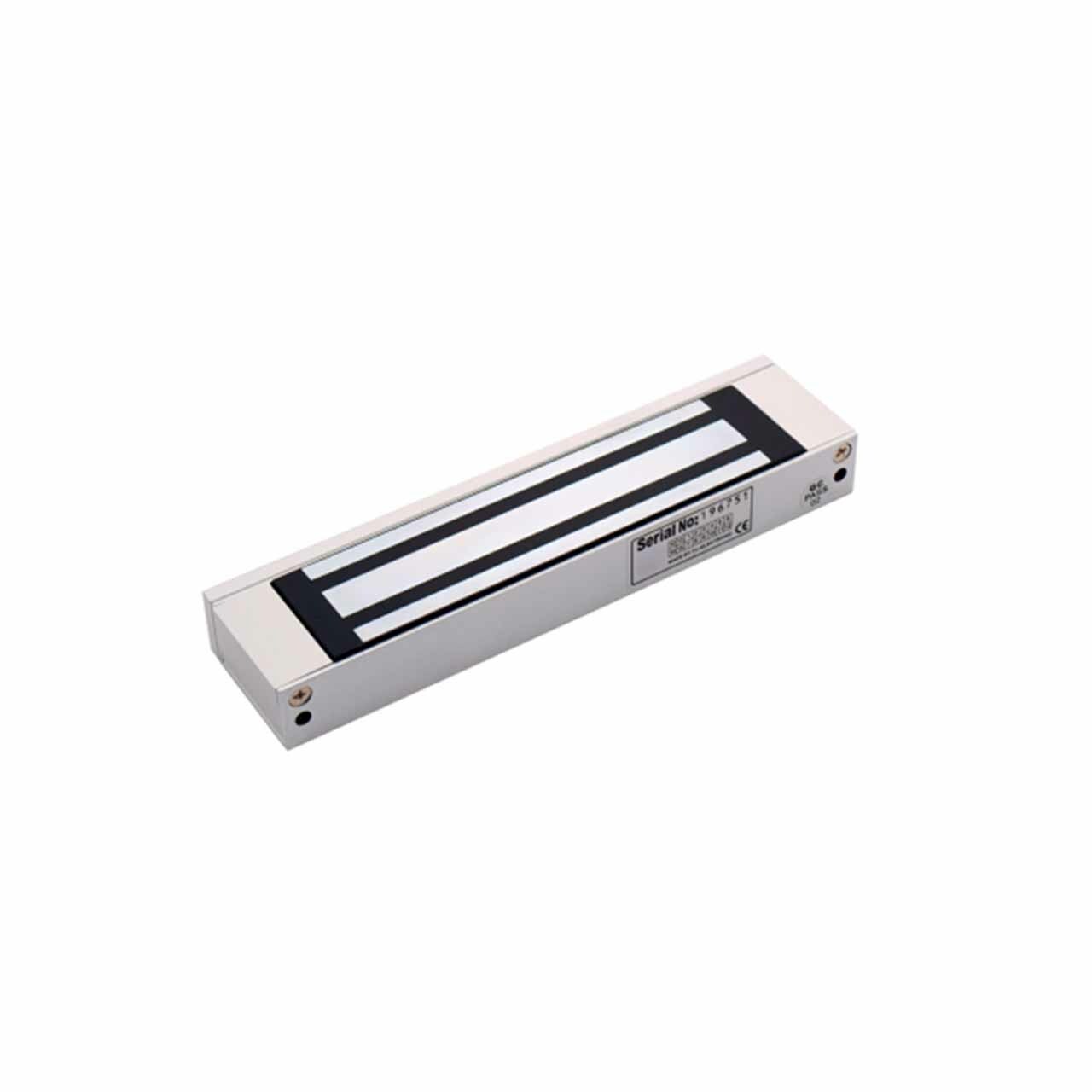
Size your 24VDC supply based on maglock draw (typically 2–5A per lock) plus reader and controller loads. For fail-safe compliance on egress doors, add UPS capacity to keep locks powered for 15–60 minutes during outage. Oversizing by 20–30% prevents thermal stress and extends supply lifespan.
Can I use a 12VDC power supply instead of 24VDC?
12VDC works but requires thicker wire to handle higher current (I²R losses increase dramatically over distance). 24VDC is preferred for runs beyond 50 feet. Verify your relay module and maglock are rated for 12VDC before switching; many access-control products default to 24VDC.
How do I wire a door position sensor for tamper detection?
Connect the magnetic switch (normally-closed) in series with a relay input on your access hub. When the door opens, the switch breaks the circuit and triggers an input alarm. This logs every open event and alerts you to prop-open or forced-door conditions in real time.
What's the difference between fail-safe and fail-secure, and which should I choose?
Fail-safe unlocks on power loss (Life Safety Code requirement for egress paths—stairwells, exits). Fail-secure stays locked during outage (use for secure areas like server rooms or vaults). Your door location and local fire code determine the requirement; consult your AHJ before specifying hardware.
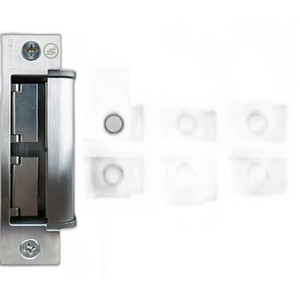
Do I need separate power supplies for strikes and maglocks, or can they share one?
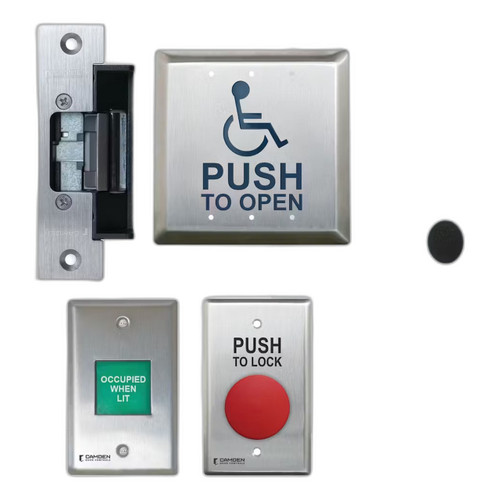
One centralized 24VDC supply can power multiple locks if sized for total current draw. However, separate supplies per zone improve reliability and allow zone-level UPS backup. For critical doors (emergency exits, server rooms), dedicated UPS per lock ensures compliance and uptime.
How do relay modules improve door-control wiring?
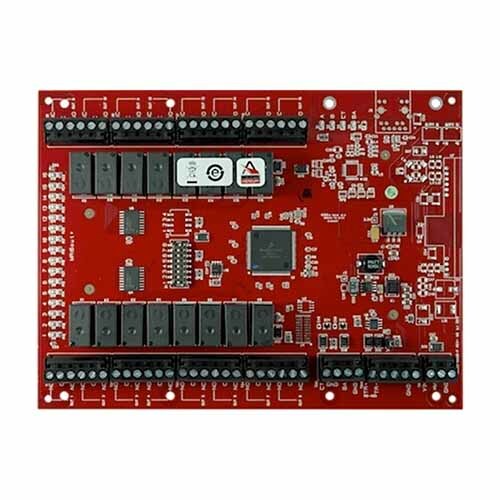
Relay modules isolate low-voltage reader signals from high-current strike/maglock circuits, provide voltage conversion (e.g., 5V reader output to 24VDC strike input), and add surge protection. They centralize wiring logic and reduce cross-talk between access-control circuits. Essential for any system with more than 2–3 doors.