What is the difference between RF and Bluetooth cordless scanners?
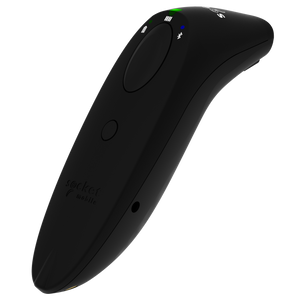
RF scanners use proprietary radio frequency infrastructure with 100–300+ feet range, mesh networking, and no mobile device dependency—ideal for large warehouses and dense picking zones. Bluetooth scanners pair directly with tablets or handheld computers, offering 30–100 feet range and lower infrastructure cost but requiring robust mobile platforms. Choose RF for enterprise-scale operations; Bluetooth for flexibility and smaller footprints. See corded alternatives if mobility is secondary.
How long do cordless scanner batteries last, and what is the charging infrastructure cost?
Industrial cordless scanners deliver 8–16 hours per charge under typical duty cycles; cold storage and high-frequency scanning reduce runtime 20–30%. Charging docks (single, multi-bay, fast-charge) cost $150–$600 each; a 100-picker warehouse typically requires 15–25 docks at pack-out, return, and staging areas. Factor dock maintenance, spare batteries ($80–$200 each, 2–3 year lifecycle), and battery swap labor into TCO calculations.
Can cordless scanners read damaged or low-contrast barcodes?
1D laser/LED scanners struggle with damaged, faded, or creased barcodes. 2D imagers read linear codes, QR codes, Data Matrix, and PDF417 labels, and are more tolerant of damage, dirt, and low contrast due to advanced image processing. If your warehouse handles returns, repackaging, or cross-dock with variable label quality, invest in 2D cordless scanners; standard 1D is sufficient for controlled outbound picking.
What happens if a cordless scanner loses wireless connection during a pick?
RF and Bluetooth scanners buffer scan data locally (typically 50–500 scans depending on model) and resync when connection is restored. Modern WMS systems tolerate brief disconnects via transaction logging and deduplication. Test actual disconnection scenarios in your facility (dead zones, shift changes) to confirm acceptable data-loss risk. If near-zero tolerance is required, deploy additional RF access points or mesh nodes for seamless handoff.
Which cordless scanner brands are best for industrial/harsh environments?
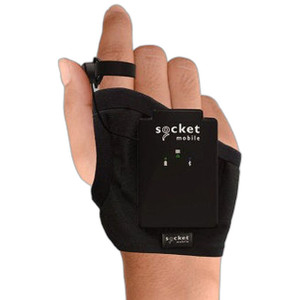
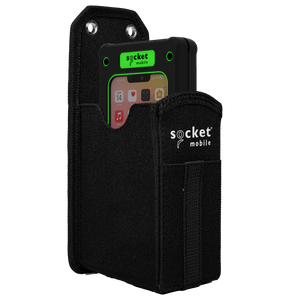
Socket Mobile, Honeywell, Zebra, and Datalogic lead in rugged cordless designs with IP67 ratings, drop-test certifications, and extreme-temperature tolerance. Verify specific model certifications for your environment (freezer, outdoor, chemical storage) and confirm local support/repair availability. Budget 20–40% premium for military-grade units but gain warranty coverage and reduced downtime.
How do I plan for spare cordless scanners and docking infrastructure?
Industry best practice: maintain 15–25% spare unit inventory (e.g., 15 spares for 80 active scanners) to cover failures, maintenance cycles, and future growth. Deploy 20–25% extra charging docks to handle peak shift changes and battery swaps without bottlenecks. Request extended warranty/support contracts with 24-hour depot repair to minimize downtime during peak seasons. Contact our team or ask an expert to model spare parts and support SLAs for your headcount and shift structure.