What IP rating do I need for my warehouse environment?
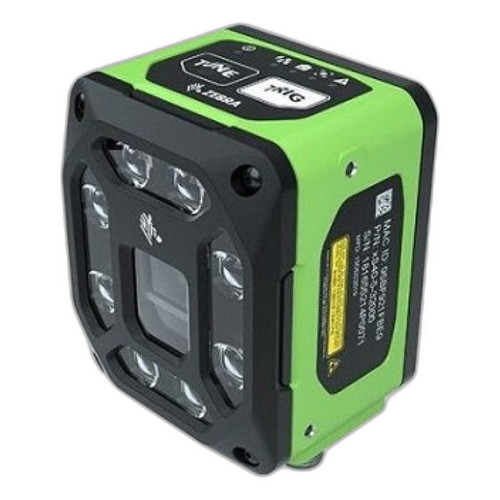
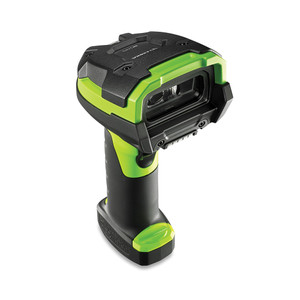
IP65 is sufficient for indoor warehouses with occasional washdown (adequate dust sealing, water-jet resistance). IP67 is required for cold-storage, outdoor, or frequent submersion environments. Verify drop-test certification (MIL-STD-810G) independently of IP rating, as durability involves impact resistance beyond water/dust ingress ratings.
Should I choose 1D or 2D barcode scanning?
1D scanners are faster and cheaper for simple UPC/Code 128 workflows. 2D imaging is essential if you capture QR codes, serialize pharmaceutical products, track across multiple carriers, or work with density-packed barcodes common in cross-dock operations. Most modern warehouses benefit from 2D to future-proof against evolving supply-chain compliance.
How do I integrate a rugged scanner with my existing WMS?
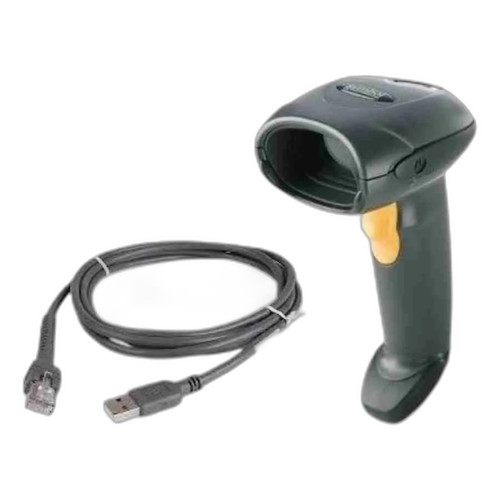
Most rugged scanners support keyboard-wedge and USB HID modes, allowing direct data input without custom drivers. Verify your WMS supports these emulation modes. For advanced deployments, Ethernet or serial connectivity enables direct WMS integration. Check adapter cable compatibility before purchase to avoid integration delays.
What's the typical battery life for handheld rugged scanners?
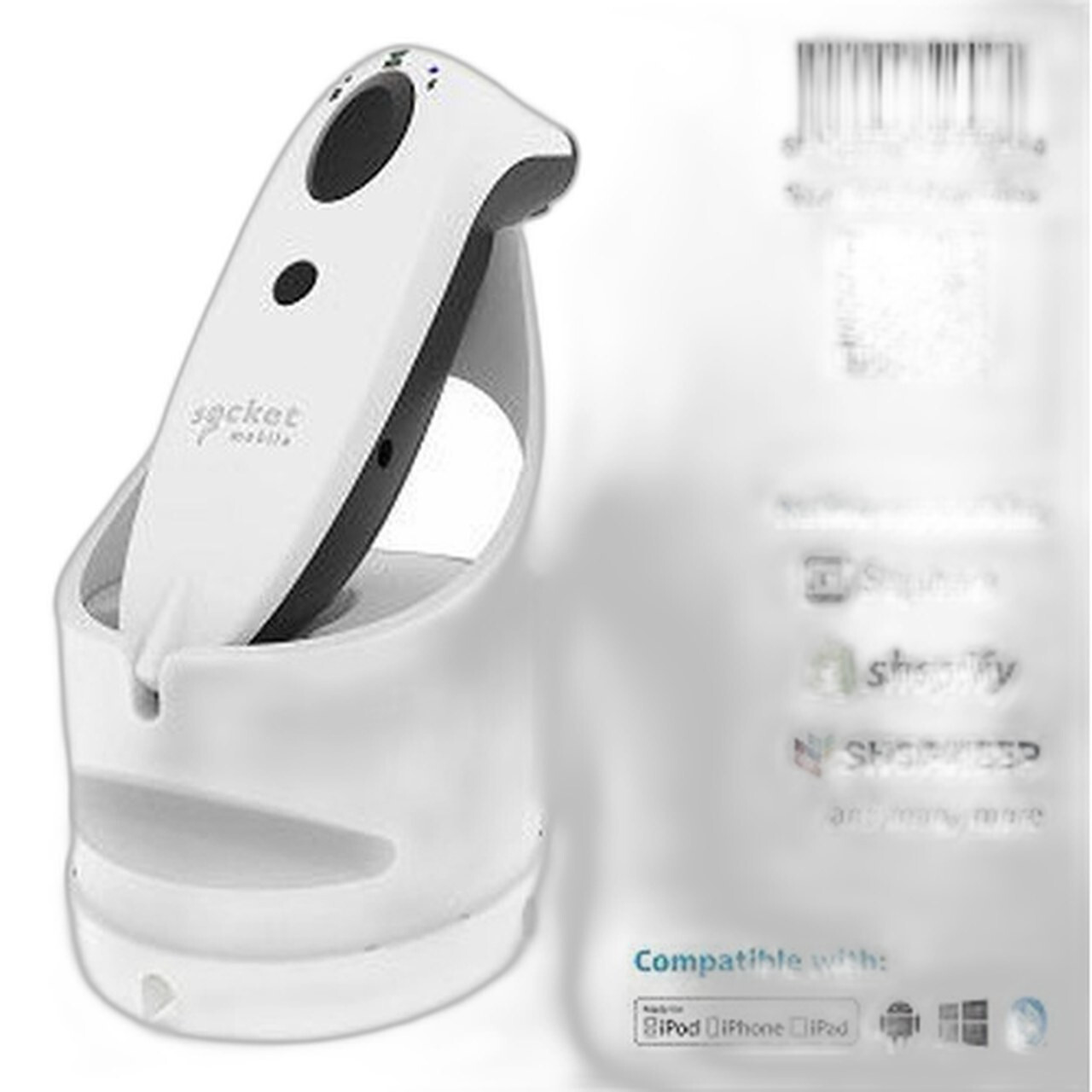
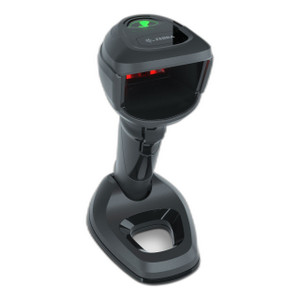
Expect 8–12 hours of active scanning with modern lithium-ion batteries under standard operating conditions. Cold-storage and outdoor use reduce runtime by 20–40%. Fast-charging docking cradles with swappable battery options are essential for high-utilization shifts; confirm recharge time (typically 2–4 hours) against your shift schedules.
Can rugged scanners survive concrete drops?
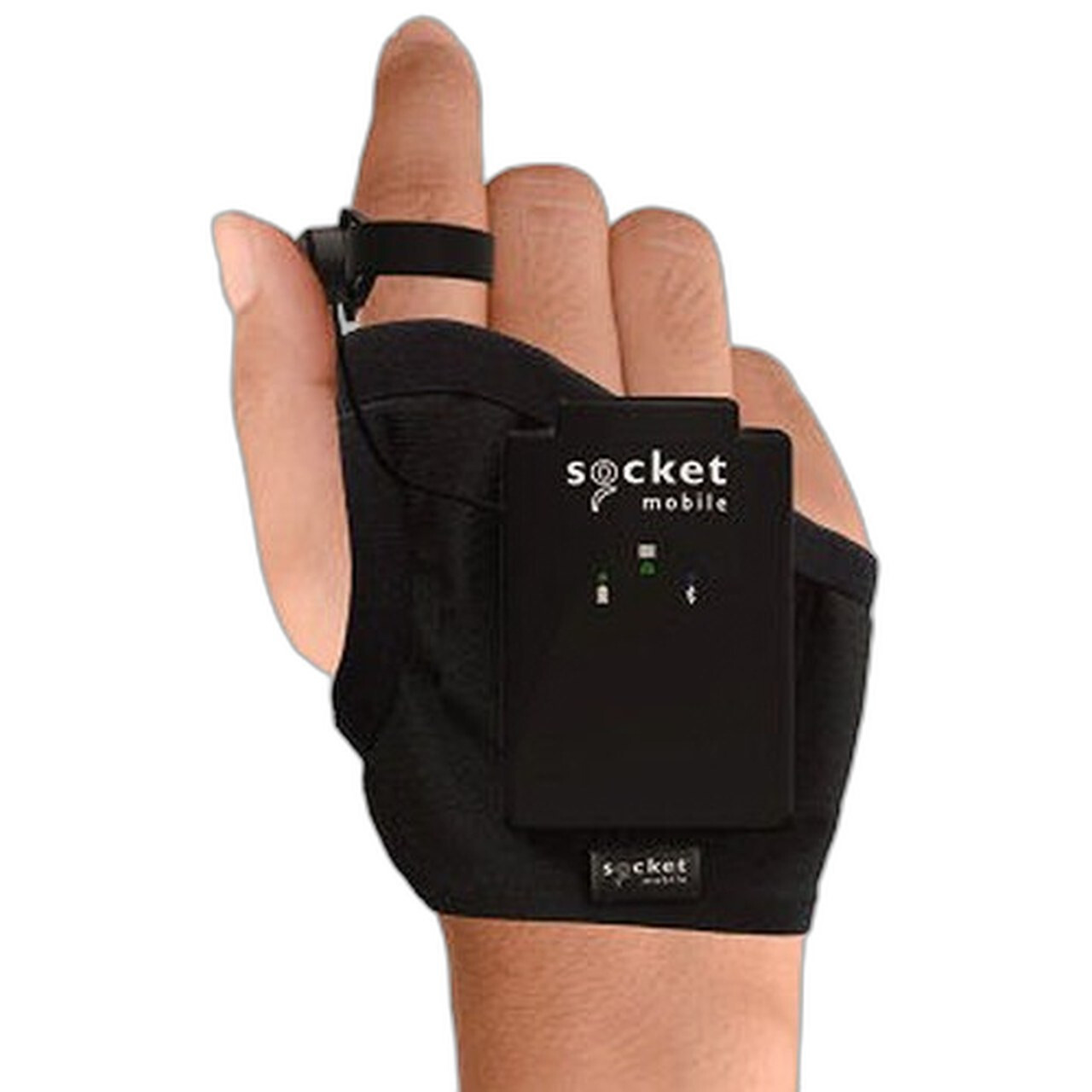
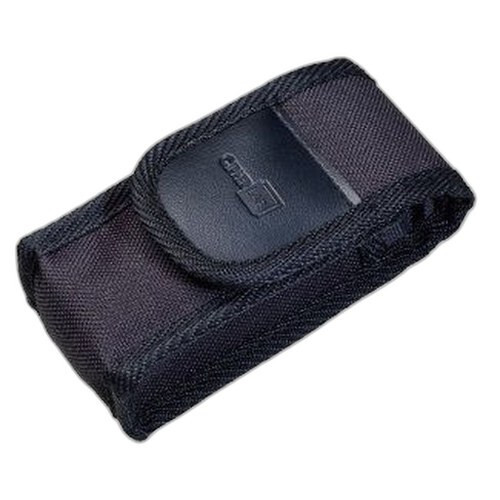
Yes, if certified to MIL-STD-810G. Standard certifications cover 4–6 foot drops onto concrete. Verify drop-test height against your facility's incident patterns. Protective cases and holsters provide additional cushioning and extend device lifespan, but are not a substitute for certified drop durability.
What maintenance and accessories should I budget for?
Plan for replacement cables and adapters, protective cases and holsters, and battery packs every 2–3 years. Extended warranties and on-site repair contracts reduce downtime during peak seasons. Bulk docking station spares prevent operational bottlenecks at high-traffic gates.