
Showing Results for Extenders & Repeaters
-
Save $412.01

Digi International EZ08-D100-US 8-Port Managed Serial Server
8-port managed serial server with 10/100 Mbps Ethernet for industrial automation
- 8 managed serial ports for distributed device connectivity
- 10/100 Mbps Ethernet for standard industrial network integration
- Managed switch features with industrial operating temperature range
Usually Ships in 2-3 Weeks Free shipping over $499$2,100.00 $1,687.99 Save $412.01 -
Save $471.01

Digi International EZ08-E1G4 CONNECT EZ 8 Serial Server
8-port RS-232 serial server for legacy device network integration
- 8 full-duplex RS-232 ports addressable over a single Ethernet
- Dual 10/100/1000 Mbps Ethernet uplinks for primary and standby
- Industrial operating temp with 5-year warranty for field cabinets
Usually Ships in 2-3 Weeks Free shipping over $499$2,400.00 $1,928.99 Save $471.01 -
Save $470.01

Digi International EZ16-A100 16-Port Serial Server
16-port RS-232 serial server bridges legacy devices to Ethernet networks
- 16 native RS-232 serial ports independently addressable over IP
- Dual 10/100/1000 Mbps Ethernet uplinks for redundant LAN paths
- Industrial operating temp with 5-year warranty for field cabinets
Usually Ships in 2-3 Weeks Free shipping over $499$2,400.00 $1,929.99 Save $470.01 -
Save $469.01
Digi International EZ16-A100-EU 16-Port Serial Server
16-port serial server with 10G speed for industrial legacy device networks
- 16 per-port configurable RS-232/422/485 serial ports on one chassis
- Dual 10/100/1000 Mbps auto-sensing Ethernet for redundant uplinks
- Industrial operating temp with 5-year warranty for field cabinets
Usually Ships in 2-3 Weeks Free shipping over $499$2,400.00 $1,930.99 Save $469.01 -
Save $469.01
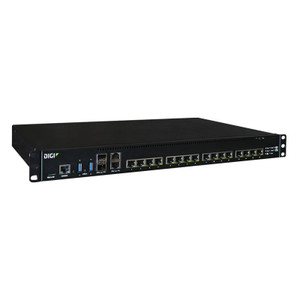
Digi International EZ16-A100-US Connect EZ 16 Serial Server
16-port serial-to-Ethernet gateway for legacy systems in harsh environments
- 16 serial ports for RS-232/422/485 device aggregation per chassis
- Dual 10G Ethernet uplinks for high-bandwidth serial-over-IP bridging
- Industrial operating temp with 5-year warranty in field cabinets
Usually Ships in 2-3 Weeks Free shipping over $499$2,400.00 $1,930.99 Save $469.01 -
Save $519.01

Digi International EZ16-A1G4-US 16-Port Serial Server
16-port serial server bridges legacy devices to modern 10G Ethernet networks
- 16 RS-232/RS-485 serial ports consolidate cabling in a single unit
- Dual 10/100/1000 Mbps Ethernet uplinks for primary and standby WAN
- Industrial operating temp with 5-year warranty for control cabinets
Usually Ships in 2-3 Weeks Free shipping over $499$2,650.00 $2,130.99 Save $519.01 -
Save $518.01
Digi International EZ16-A200-US 16-Port Serial Server
16-port serial server bridges legacy devices to Ethernet in industrial environments
- 16 ports with full RS-232/422/485 protocol support per port
- Dual 10/100/1000 Mbps Gigabit Ethernet for redundant uplinks
- Industrial temp range with 5-year warranty for field deployment
Usually Ships in 2-3 Weeks Free shipping over $499$2,650.00 $2,131.99 Save $518.01 -
Save $568.01
Digi International EZ16-A2G4-US Connect EZ 16 Serial Server
16-port serial server with 10G Ethernet for industrial legacy device management
- 16 serial ports with individual RS-232/422/485 network addressing
- 10G Ethernet interface for high-bandwidth serial-to-IP bridging
- Industrial operating temp with 5-year warranty in field cabinets
Usually Ships in 2-3 Weeks Free shipping over $499$2,900.00 $2,331.99 Save $568.01 -
Save $578.01
Digi International EZ16-AD00 Connect EZ 16 Device Server
16-port serial device server for rack-mount remote management
- 16 ports with full-duplex RS-232/422/485 per-port protocol mix
- SSH and HTTPS encryption for secure out-of-band device access
- Industrial managed switch backbone with 10G uplink capacity
Usually Ships in 2-3 Weeks Free shipping over $499$2,950.00 $2,371.99 Save $578.01 -
Save $578.01
Digi International EZ16-C100 16-Port Serial Server
16-port serial server with industrial temperature range and wired Ethernet
- 16 serial channels on one chassis with RJ-45 Ethernet uplink
- 0-50C operating range for industrial cabinet and rack deployment
- Managed 10G-class uplink for serial-over-IP at scale
Usually Ships in 2-3 Weeks Free shipping over $499$2,950.00 $2,371.99 Save $578.01 -
Save $588.01

Digi International EZ16-C100-US 16-Port Serial Server
16-port serial-to-Ethernet server for industrial legacy device connectivity
- 16 ports with RS-232/422/485 support on every serial line
- Dual 10/100/1000 Mbps Ethernet auto-sensing RJ-45 uplinks
- Industrial operating temp with 5-year warranty for control cabinets
Usually Ships in 2-3 Weeks Free shipping over $499$3,000.00 $2,411.99 Save $588.01 -
Save $637.01
Digi International EZ16-C1G4-US 16-Port Serial Server
16-port serial server with 1G Ethernet for industrial legacy equipment
- 16 serial ports for RS-232/422/485 devices over a single Ethernet
- Dual 10/100/1000 Mbps Gigabit uplinks for redundant network paths
- Industrial operating temp with 5-year warranty for field cabinets
Usually Ships in 2-3 Weeks Free shipping over $499$3,250.00 $2,612.99 Save $637.01 -
Save $637.01
Digi International EZ16-C200-US Connect EZ 16 Serial Server
16-port serial-to-Ethernet gateway for industrial legacy device networks
- 16-port serial server with RS-232/422/485 protocol coverage
- Dual 10/100/1000 Mbps auto-sensing Ethernet for redundant uplinks
- Industrial operating temp with 5-year warranty for field cabinets
Usually Ships in 2-3 Weeks Free shipping over $499$3,250.00 $2,612.99 Save $637.01 -
Save $686.01
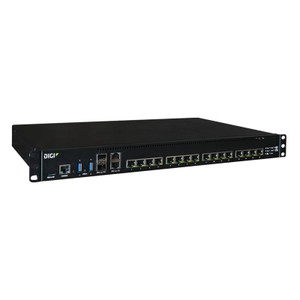
Digi International EZ16-C2G4-US 16-Port Serial Device Server
16-port serial device server with dual Gigabit Ethernet for industrial networks
- 16 configurable serial ports for RS-232, RS-422, and RS-485 mix
- Per-port protocol reassignment in software, no hardware swap needed
- Dual Gigabit Ethernet at 2x 10/100/1000 Mbps for redundant uplinks
Usually Ships in 2-3 Weeks Free shipping over $499$3,500.00 $2,813.99 Save $686.01 -
Save $627.01
Digi International EZ16-CD00 16-Port Serial Server
16-port RS-232 to Ethernet serial server for legacy device integration
- 16 RS-232 ports on a 1U platform for legacy serial consolidation
- Standard RJ45 Ethernet routes serial device traffic over IP
- 10.4 x 17.5 x 1.75 in rack form factor with 5-year warranty
Usually Ships in 2-3 Weeks Free shipping over $499$3,200.00 $2,572.99 Save $627.01 -
Save $598.01
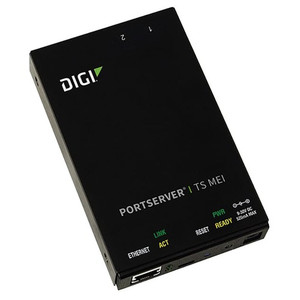
Digi International EZ32-A100 32-Port Serial Device Server
32-port RS-232 server bridges legacy serial gear to Gigabit Ethernet
- 32 RS-232 serial ports with full galvanic isolation per port
- Dual 1/10/100/1000 Mbps auto-sensing Ethernet uplinks for redundancy
- Industrial operating temp with 5-year warranty for control cabinets
Usually Ships in 2-3 Weeks Free shipping over $499$3,050.00 $2,451.99 Save $598.01 -
Save $598.01

Digi International EZ32-A100-EU 32-Port Serial Server
32-port serial server for legacy device networking in industrial environments
- 32 DB-9 or RJ-45 serial ports consolidate three dozen legacy devices
- Dual 10/100/1000 Mbps Gigabit Ethernet for redundant LAN paths
- Industrial operating temp with 5-year warranty for field cabinets
Usually Ships in 2-3 Weeks Free shipping over $499$3,050.00 $2,451.99 Save $598.01 -
Save $598.01
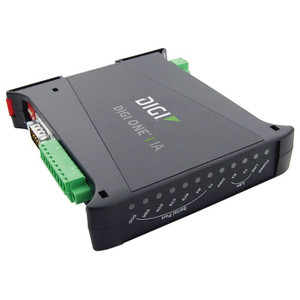
Digi International EZ32-A100-US 32-Port Serial Server
32-port serial server for legacy industrial devices over IP networks
- 32 serial ports with mixed-mode RS-232/422/485 protocol support
- Dual 10/100/1000 Mbps auto-sensing Gigabit Ethernet uplinks
- Industrial operating temp with 5-year warranty for control cabinets
Usually Ships in 2-3 Weeks Free shipping over $499$3,050.00 $2,451.99 Save $598.01 -
Save $650.01

Digi International EZ32-A200 Serial Device Server
32-port RS-232 serial server with 10G Ethernet for industrial environments
- 32 RS-232 ports configurable from 300 bps to 921.6 kbps per port
- 10 Gigabit Ethernet uplink for high-bandwidth serial-over-IP
- Industrial operating temp with 5-year warranty for field cabinets
Usually Ships in 2-3 Weeks Free shipping over $499$3,300.00 $2,649.99 Save $650.01 -
Save $647.01

Digi International EZ32-A200-US 32-Port Serial Server
32-port serial server with Ethernet gateway for industrial deployments
- 32 DB-9/DB-25 serial ports for RS-232/RS-485 device aggregation
- Dual 1G Ethernet ports for redundant uplinks to the control LAN
- Industrial operating temp with 5-year warranty for field cabinets
Usually Ships in 2-3 Weeks Free shipping over $499$3,300.00 $2,652.99 Save $647.01 -
Save $696.01

Digi International EZ32-A2G4-US 32-Port Serial Server
32-port serial server with 10G Ethernet for legacy device integration
- 32 serial ports for RS-232/422/485 bridging to Ethernet uplink
- Single 10GbE port minimizes latency on dense serial-over-IP traffic
- Industrial operating temp with 5-year warranty for control cabinets
Usually Ships in 2-3 Weeks Free shipping over $499$3,550.00 $2,853.99 Save $696.01 -
Save $647.01
Digi International EZ32-AD00 32-Port Serial Server
32-port serial server bridges legacy devices to IP networks with redundant power
- 32 serial ports consolidate access, fire, HVAC, and legacy devices
- Dual DC redundant power inputs for continuous operation
- 1U 10.4 x 17.5 x 1.75 in rack chassis with 5-year warranty
Usually Ships in 2-3 Weeks Free shipping over $499$3,300.00 $2,652.99 Save $647.01 -
Save $706.01
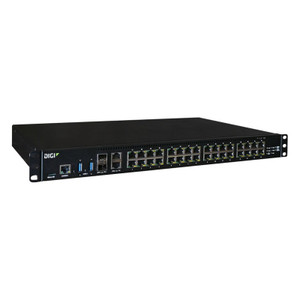
Digi International EZ32-C100-US Connect EZ 32 Serial Server
Industrial serial-to-IP gateway for SCADA and legacy device integration
- Converts RS-232/422/485 serial devices to TCP/IP connectivity
- Dual 10/100/1000 Mbps Ethernet uplinks for SCADA and NVR integration
- Industrial operating temp with 5-year warranty for control cabinets
Usually Ships in 2-3 Weeks Free shipping over $499$3,600.00 $2,893.99 Save $706.01 -
Save $755.01
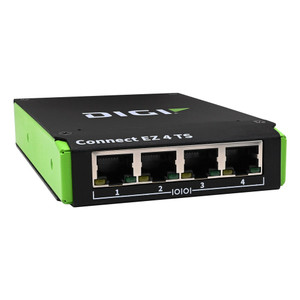
Digi International EZ32-C1G4-US 32-Port 10G Serial Server
32-port serial server with 10G speed for industrial device aggregation
- 32 serial ports in a single chassis without external breakouts
- 10 Gigabit-class architecture for high-density serial-over-IP
- Industrial operating temp with 5-year warranty for field cabinets
Usually Ships in 2-3 Weeks Free shipping over $499$3,850.00 $3,094.99 Save $755.01 -
Save $755.01
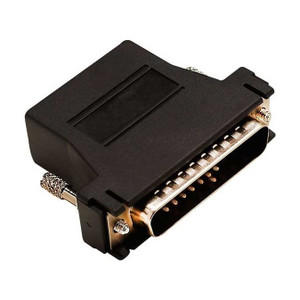
Digi International EZ32-C200-US 10G Serial Server
10G serial server for industrial security and telecom deployments
- Native 10G Ethernet for high-bandwidth serial device aggregation
- Dual 10/100/1000 Mbps auto-sensing RJ-45 uplinks for redundancy
- Industrial operating temp with 5-year warranty for control cabinets
Usually Ships in 2-3 Weeks Free shipping over $499$3,850.00 $3,094.99 Save $755.01 -
Save $804.01

Digi International EZ32-C2G4-US 32-Port Serial Device Server
32-port serial device server with dual Gigabit Ethernet and cellular
- 32 multi-protocol serial ports for RS-232/422/485 on one chassis
- Dual 10/100/1000 Mbps Gigabit Ethernet for redundant LAN paths
- Industrial operating temp with 5-year warranty for field cabinets
Usually Ships in 2-3 Weeks Free shipping over $499$4,100.00 $3,295.99 Save $804.01 -
Save $745.01
Digi International EZ32-CD00 32-Port Serial Server
32-port serial-to-Ethernet server for legacy device integration
- 32 asynchronous serial ports on one IP-addressable appliance
- Serial-to-IP bridging removes per-device cabling complexity
- 1U 10.4 x 17.5 x 1.75 in rack chassis with 5-year warranty
Usually Ships in 2-3 Weeks Free shipping over $499$3,800.00 $3,054.99 Save $745.01 -
Save $2.34
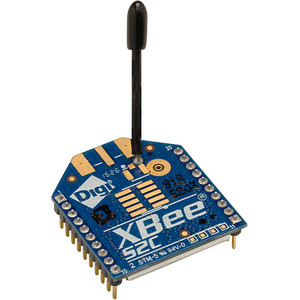
Digi International XB24CZ7WIT-004 XBee ZB S2C Thread Wire
Thread and ZigBee S2C mesh module for 2.4 GHz IoT networks
- XBee ZB S2C Thread + ZigBee dual-protocol module
- Self-healing 2.4 GHz mesh with auto rerouting
- Wire-pin connector for embedded integration
Usually Ships in 2-3 Weeks Free shipping over $499$29.33 $26.99 Save $2.34 -
Save $3.26

Digi International XB3-24Z8ST XBee3 Pro 2.4 GHz ZigBee Module
ZigBee 3.0 RF module for mesh networking at 2.4 GHz with SMA connector
- XBee3 Pro 2.4 GHz ZigBee 3.0 RF module
- Full ZigBee Alliance certification for interop
- Building automation and industrial device integration
Usually Ships in 2-3 Weeks Free shipping over $499$38.25 $34.99 Save $3.26 -
Save $3.08
Digi International XB3-C-G1-UT-001 XBee 3 Global LTE Cat 1
Global LTE Cat 1 cellular module for industrial IoT and remote monitoring
- XBee 3 global LTE Cat 1 with 2G/3G fallback for worldwide coverage
- 30.48 x 43.18 mm through-hole module for embedded OEM designs
- Dual U.FL cellular plus U.FL GNSS antenna ports with embedded BT
Usually Ships in 2-3 Weeks Free shipping over $499$126.07 $122.99 Save $3.08 -
Save $2.58

Digi International XB3-C-N1-UT-001 XBee 3 North America LTE
LTE cellular module for North America IoT with industrial temp range
- XBee 3 LTE Cat-M1/NB-IoT module for North American carrier coverage
- 30.48 x 43.18 mm through-hole footprint for OEM board integration
- Dual U.FL cellular plus U.FL GNSS antenna ports with embedded BT
Usually Ships in 2-3 Weeks Free shipping over $499$116.57 $113.99 Save $2.58 -
Save $3.72

Digi International XB8X-DMUS-001 Xbee SX 868 Mhz Module
868 MHz wireless module for industrial IoT and remote monitoring
- XBee SX 868 MHz unlicensed-band wireless module
- 25 mW transmission power for European deployments
- 0.87 x 1.33 in compact RF module footprint
Usually Ships in 2-3 Weeks Free shipping over $499$42.71 $38.99 Save $3.72 -
Save $4.08

Digi International XB9X-DMUS-011 Xbee SX 10G Smt Module
DigiMesh SMT module, 10G speed, self-healing mesh networks
- XBee SX surface-mount wireless module, DigiMesh
- 20mW power consumption for low-draw deployments
- Self-healing mesh with auto rerouting
Usually Ships in 2-3 Weeks Free shipping over $499$48.07 $43.99 Save $4.08 -
Save $4.67
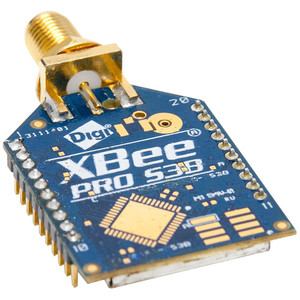
Digi International XBP9B-DMST-002 Xbee-pro 900HP S3B Digimesh
900 MHz mesh module for industrial IoT up to 6 miles range
- XBee-PRO 900HP S3B DigiMesh wireless module
- 900 MHz unlicensed ISM band global availability
- Self-healing mesh topology with automatic routing
Usually Ships in 2-3 Weeks Free shipping over $499$55.66 $50.99 Save $4.67 -
Save $4.67
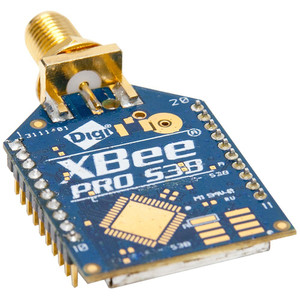
Digi International XBP9B-DMST-012 6-Port 10G Single Mode Fiber
6-port 10G single mode fiber switch for enterprise backbone networks
- 6-port 10G single-mode fiber switch
- 10 Gbps per port for video aggregation backbone
- Single-mode fiber for 10+ km link distances
Usually Ships in 2-3 Weeks Free shipping over $499$55.66 $50.99 Save $4.67 -
Save $4.67
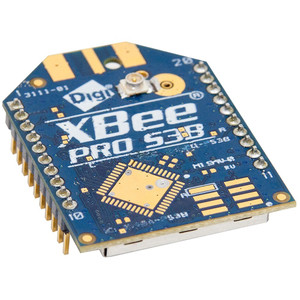
Digi International XBP9B-DMUT-002 XBee-PRO 900HP DigiMesh Module
900 MHz DigiMesh module for long-range industrial wireless networks
- XBee-PRO 900HP DigiMesh wireless module
- Self-healing mesh with auto multi-hop path selection
- 900 MHz for foliage and building penetration
Usually Ships in 2-3 Weeks Free shipping over $499$55.66 $50.99 Save $4.67