
Zebra ZT61042-T0101A0Z vs Sato WWPV41280: Specification Comparison
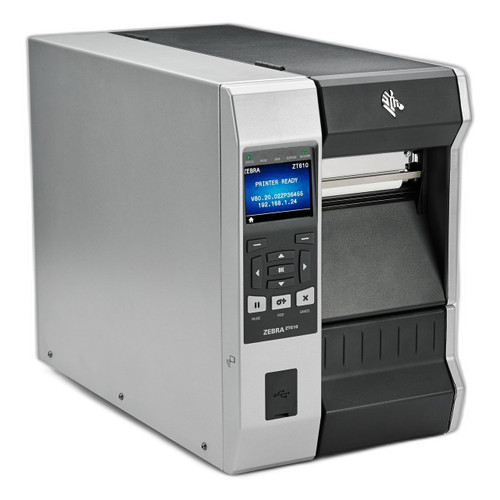
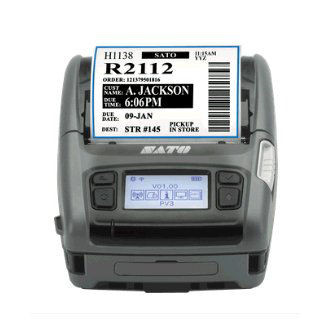
Both the Zebra ZT61042-T0101A0Z and the Sato WWPV41280 are 203 DPI direct thermal label printers, but they serve fundamentally different deployment contexts. The Zebra is a 50-lb desktop unit with RFID encoding capability and wired network connectivity, designed for fixed industrial or warehouse print stations. The Sato is a 1.53-lb battery-powered mobile printer built for field and route workers, with Wi-Fi, Bluetooth, IP54 sealing, and a 7-foot drop rating. This comparison addresses buyers evaluating 203 DPI thermal printing options across stationary versus mobile use cases.
In This Guide
- How do print width, speed, and output capability differ between these two printers?
- How do connectivity options and RFID or smart-label capabilities compare?
- Which printer is better suited to harsh or mobile operating environments?
- Which should you choose: the ZT61042-T0101A0Z or the WWPV41280?
- Side-by-Side Specs
- FAQ
How do print width, speed, and output capability differ between these two printers?
The Zebra ZT61042-T0101A0Z offers a 4-inch maximum print width, accommodating standard 4×6 shipping labels, wide compliance labels, and multi-column formats. Its spec sheet lists both direct thermal and thermal transfer print modes, providing flexibility between linerless media and ribbon-based durable labels. Resolution is 203 DPI on both units. Print speed is not specified in the provided Zebra specs.
The Sato WWPV41280 has a maximum print width of 2.83 inches and supports media widths from 1 inch to 3.15 inches. It is direct thermal only — no ribbon support — and operates at a rated 5 inches per second (ips). Its narrower print width limits it to smaller label formats such as route labels, receipts, and shelf tags, but its 5 ips speed is a concrete, spec-confirmed figure unavailable for the Zebra in the provided data.
How do connectivity options and RFID or smart-label capabilities compare?
The Zebra ZT61042-T0101A0Z connects via USB, Serial (RS-232), and Ethernet — all wired interfaces suited to fixed network drops or legacy serial host connections. Critically, it includes built-in RFID encoding supporting both ISO 18000-6C (UHF) and ISO 15693 (HF) read/write, enabling simultaneous label print-and-encode workflows for item-level tracking, asset management, and compliance mandates that require machine-readable RFID tags.
The Sato WWPV41280 connects via Wi-Fi, Bluetooth, and USB, and runs Android OS with 256 MB flash, 128 MB SDRAM, and 128 MB user storage — enabling on-device apps and wireless pairing with tablets or handhelds. No RFID capability is listed in its specs. The wireless-first design makes it well suited to mobile workers who need to print from handheld devices without a network drop, but it cannot produce RFID-encoded labels.
Which printer is better suited to harsh or mobile operating environments?
The Sato WWPV41280 is purpose-built for demanding field conditions. Its IP54 rating confirms protection against dust ingress and water splashing from any direction. A 7-foot drop rating and polycarbonate clamshell housing address the physical abuse of route delivery, warehouse floors, and outdoor work. Operating temperature range is -4°F to 122°F per spec. A rechargeable Li-ion battery enables untethered operation. Physical dimensions are 6.26" × 4.69" × 3.11" at 1.53 lbs.
The Zebra ZT61042-T0101A0Z is a desktop form factor unit weighing 50 lbs / 22.7 kg. No IP rating, drop rating, or battery option is listed in the provided specs. It requires AC power at a fixed station. It includes an integrated tear-off mechanism. The 50-lb weight and absence of environmental protection ratings indicate it is designed for controlled indoor environments such as distribution centers, manufacturing lines, or retail back offices — not field deployment.
Which should you choose: the ZT61042-T0101A0Z or the WWPV41280?
Our take: The ZT61042-T0101A0Z is the stronger choice when the deployment is fixed, requires RFID label encoding, or demands 4-inch-wide label output. Its RFID support (ISO 18000-6C UHF and ISO 15693 HF) is absent entirely from the WWPV41280, making it the only option of the two for print-and-encode workflows. Its 4-inch print width versus the WWPV41280's 2.83-inch maximum covers a broader label format range. Conversely, the WWPV41280 is the clear choice for mobile deployments: at 1.53 lbs versus 50 lbs, with IP54 sealing, a 7-foot drop rating, Wi-Fi and Bluetooth connectivity, and Li-ion battery power, it is the only unit here that can travel with a worker. Note that print speed is spec-confirmed only for the Sato (5 ips); the Zebra's speed is not stated in the provided data. Platform qualifier: RFID compliance or wired-network fixed stations favor the Zebra; Android-paired route and field printing favors the Sato.
Side-by-Side Comparison
Spec-for-spec, from manufacturer data.
| Specification | Zebra ZT61042-T0101A0Z | Sato WWPV41280 |
|---|---|---|
| Print Width (max) | 4 inches | 2.83 inches |
| Resolution | 203 DPI | 203 DPI |
| Print Method | Direct Thermal & Thermal Transfer | Direct Thermal only |
| Print Speed | — | 5 ips |
| RFID Support | ISO 18000-6C (UHF) / ISO 15693 (HF) R/W | — |
| Connectivity | USB, Serial (RS-232), Ethernet | Wi-Fi, Bluetooth, USB |
| Form Factor | Desktop | Polycarbonate clamshell (mobile) |
| Power | — | Rechargeable Li-ion battery |
| Weight | 50 lbs / 22.7 kg | 1.53 lbs |
| IP Rating | — | IP54 |
| Drop Rating | — | 7 ft |
| Operating Temperature | — | -4°F to 122°F |
| Operating System | — | Android |
| Flash / SDRAM / Storage | — | 256 MB / 128 MB / 128 MB |
| Media Width Range | — | 1" to 3.15" |
| Warranty | 1 year | 1 year |
Frequently Asked Questions
Which should you choose: the ZT61042-T0101A0Z or the WWPV41280?
The ZT61042-T0101A0Z is the stronger choice when the deployment is fixed, requires RFID label encoding, or demands 4-inch-wide label output. Its RFID support (ISO 18000-6C UHF and ISO 15693 HF) is absent entirely from the WWPV41280, making it the only option of the two for print-and-encode workflows. Its 4-inch print width versus the WWPV41280's 2.83-inch maximum covers a broader label format range. Conversely, the WWPV41280 is the clear choice for mobile deployments: at 1.53 lbs versus 50 lbs, with IP54 sealing, a 7-foot drop rating, Wi-Fi and Bluetooth connectivity, and Li-ion battery power, it is the only unit here that can travel with a worker. Note that print speed is spec-confirmed only for the Sato (5 ips); the Zebra's speed is not stated in the provided data. Platform qualifier: RFID compliance or wired-network fixed stations favor the Zebra; Android-paired route and field printing favors the Sato.
Is the ZT61042-T0101A0Z or WWPV41280 better for RFID label encoding?
The ZT61042-T0101A0Z is the only option between these two with RFID capability. Its specs confirm read/write support for ISO 18000-6C (UHF) and ISO 15693 (HF). The WWPV41280 has no RFID encoding listed in its specifications.
Can either of these printers be used by a mobile field worker or delivery driver?
Only the Sato WWPV41280 is designed for mobile use. It weighs 1.53 lbs, runs on a rechargeable Li-ion battery, carries an IP54 rating, and is rated for 7-foot drops. The Zebra ZT61042-T0101A0Z weighs 50 lbs, requires fixed AC power, and has no IP or drop rating listed — it is a desktop-only unit.
Which printer supports thermal transfer printing for durable labels?
The Zebra ZT61042-T0101A0Z supports both direct thermal and thermal transfer print modes per its specifications, allowing ribbon-based durable label output. The Sato WWPV41280 is direct thermal only; no thermal transfer or ribbon support is listed in its specs.
More Label Printer Comparisons
- Sato WWCLP1701-WAR vs Zebra ZD421
- Sato WWCLP1701-WAR vs Sato WWCLP1C01-WAR
- Sato WWCLP1701-WAR vs Sato WWFX31241-WDB
- Sato WWCLP1C01-WAR vs Zebra ZD421
- Sato WWCLP1C01-WAR vs Sato WWFX31241-WDB
- Zebra ZD421 vs Sato WWFX31241-WDB
Label Printer Buying Guides
Get a Second Opinion on Your Camera Choice
Share your site layout, coverage goals, and budget. Our team will validate the camera selection, flag anything we would change, and recommend products that match the use case.