
Zebra ET60WW-0S6DPSK0A0-00 vs Zebra MC220K-2B3S3NA: Specification Comparison
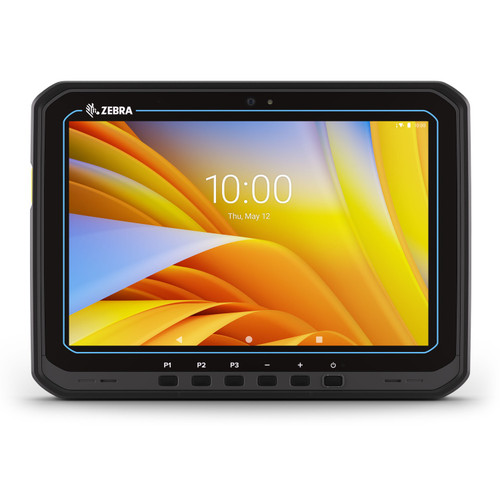
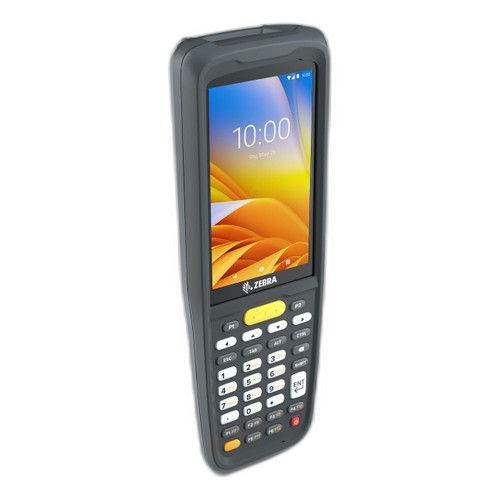
Both the Zebra ET60WW-0S6DPSK0A0-00 and the Zebra MC220K-2B3S3NA are ruggedized mobile computers with integrated 1D/2D barcode scanning, wireless connectivity, and NFC—placing them in the same broad enterprise data-capture category. However, they represent opposite ends of the form-factor spectrum: the ET60W is a 10.1-inch Windows tablet, while the MC220K is a 4-inch handheld mobile computer running Android. Buyers cross-shopping these units are typically weighing screen real estate and desktop-class processing against compact, one-handed portability and longer-cycle battery life for scan-intensive workflows.
In This Guide
- Which platform delivers the processing power and operating system best suited to your application stack?
- How do these two units compare on physical durability, environmental sealing, and ergonomics for field use?
- What are the differences in scan capability, wireless features, and battery endurance?
- Which should you choose: the ET60WW-0S6DPSK0A0-00 or the MC220K-2B3S3NA?
- Side-by-Side Specs
- FAQ
Which platform delivers the processing power and operating system best suited to your application stack?
The ET60WW-0S6DPSK0A0-00 ships with an Intel Core Ultra 5 135U processor running at 1.6 GHz, paired with 16 GB RAM and a 256 GB PCIe SSD, running Windows 11 Pro. This configuration supports full Win32 application stacks, legacy enterprise software, and multitasking workloads without emulation or compatibility layers. Storage is solid-state PCIe, which provides faster read/write throughput than flash memory. An additional MicroSD slot supports up to 2 TB of expansion.
The MC220K-2B3S3NA uses a Qualcomm Snapdragon 660 octa-core processor at 1.8 GHz with 2 GB RAM and 16 GB of onboard Flash memory, running Android with Google Mobile Services (GMS). It also lists 32 GB RAM in one spec field, which conflicts with the 2 GB RAM/16 GB Flash figure in the detailed memory spec—buyers should confirm with Zebra before purchase. Android GMS enables access to the Google Play ecosystem and modern mobile WMS/ERP clients, but is incompatible with Win32 applications. The ET60W holds a decisive edge in raw compute headroom; the MC220K suits Android-native deployments.
How do these two units compare on physical durability, environmental sealing, and ergonomics for field use?
The ET60WW-0S6DPSK0A0-00 carries an IP66 rating, indicating complete protection against dust ingress and resistance to powerful water jets—one step above IP65. It measures 10.8 in. W × 7.8 in. L × 0.7 in. H and features a 10.1-inch WUXGA (1920×1200) display at 1,000 nits, which is suited to bright outdoor environments. No drop rating is specified in the provided data. The form factor is a two-handed tablet, limiting one-handed operation.
The MC220K-2B3S3NA carries an IP65 rating—fully dust-sealed and protected against low-pressure water jets—and adds a verified 1.52 m (5 ft) drop-to-concrete rating plus a 500-tumble specification at 0.5 m per IEC certification. Its 4-inch WVGA (800×480) display is smaller but the compact handheld body with a 34-key physical keyboard enables sustained one-handed and gloved-hand operation. The MC220K's published drop and tumble ratings make its ruggedness case more quantifiable; the ET60W's higher IP rating addresses wet/dusty environments more aggressively but lacks a stated drop spec.
What are the differences in scan capability, wireless features, and battery endurance?
Both units support 1D/2D barcode scanning and share Wi-Fi, Bluetooth, and NFC connectivity. The ET60WW-0S6DPSK0A0-00 specifies Bluetooth 5.4 and supports channel bandwidths of 20/40/80/160 MHz (including Wi-Fi 6 160 MHz channels), with NFC covering ISO 14443 Type A/B, FeliCa, and ISO 15693. Its battery is rated at 920 mAh—a modest capacity for a device of this size, and no hot-swap capability is mentioned in the provided specs. The rear camera is 16 MP autofocus with LED flash; an 8 MP front camera with mechanical privacy shade is also listed.
The MC220K-2B3S3NA uses the SE4100 scan engine specifically called out in the specs, rated for 1D and 2D barcodes. Bluetooth version is listed only as 'standard support' without a version number. Wi-Fi certifications include 802.11n, WPA2-Personal, and WPA3-Personal per the certification field. Its 3,500 mAh battery is nearly 3.8× the capacity of the ET60W's 920 mAh pack, supporting longer untethered shift use. The MC220K also includes a 3-axis MEMS accelerometer/gyro motion sensor and a 34-key physical keypad—hardware absent on the tablet. An optional 13 MP rear camera is noted. The MC220K's battery advantage is substantial for scan-centric, shift-length deployments.
Which should you choose: the ET60WW-0S6DPSK0A0-00 or the MC220K-2B3S3NA?
Our take: The ET60WW-0S6DPSK0A0-00 is the stronger choice when workflows demand a full Windows 11 Pro environment, large-screen data visualization, or legacy Win32 application compatibility. Its Intel Core Ultra 5 processor with 16 GB RAM and 256 GB PCIe SSD outclasses the MC220K's Snapdragon 660 / 2 GB RAM / 16 GB Flash by a wide margin in raw compute and storage. Its IP66 rating also edges the MC220K's IP65 for high-pressure wash-down environments. However, the MC220K-2B3S3NA's 3,500 mAh battery dwarfs the ET60W's 920 mAh pack—critical for full-shift untethered scanning—and its 1.52 m verified drop rating plus 500-tumble spec provide quantified ruggedness the ET60W does not publish. For Android-native WMS environments requiring compact, one-handed scanning with physical keyboard input and proven drop durability, the MC220K is the operationally appropriate choice.
Side-by-Side Comparison
Spec-for-spec, from manufacturer data.
| Specification | Zebra ET60WW-0S6DPSK0A0-00 | Zebra MC220K-2B3S3NA |
|---|---|---|
| Form Factor | 10.1" Tablet | Handheld Mobile Computer |
| Operating System | Windows 11 Pro | Android with GMS |
| Processor | Intel Core Ultra 5 135U, 1.6 GHz | Qualcomm Snapdragon 660 octa-core, 1.8 GHz |
| RAM | 16 GB | 2 GB (spec conflict: 32 GB listed separately) |
| Storage | 256 GB PCIe SSD | 16 GB Flash |
| Display | 10.1 in. WUXGA 1920×1200, 1,000 nits | 4 in. WVGA 800×480, LED backlight |
| Scan Engine | 1D/2D (engine model not specified) | 1D/2D SE4100 |
| IP Rating | IP66 | IP65 |
| Drop Rating | — | 1.52 m (5 ft) to concrete |
| Tumble Rating | — | 500 tumbles at 0.5 m |
| Battery Capacity | 920 mAh | 3,500 mAh |
| Bluetooth | Bluetooth 5.4 | Bluetooth (version not specified) |
| Wi-Fi Channel Bandwidth | 20/40/80/160 MHz | 802.11n (bandwidth not specified) |
| NFC | ISO 14443 A/B, FeliCa, ISO 15693 | NFC capable (standard not specified) |
| Physical Keyboard | — | 34-key standard keyboard |
| Warranty | 1-year | 1-year |
Frequently Asked Questions
Which should you choose: the ET60WW-0S6DPSK0A0-00 or the MC220K-2B3S3NA?
The ET60WW-0S6DPSK0A0-00 is the stronger choice when workflows demand a full Windows 11 Pro environment, large-screen data visualization, or legacy Win32 application compatibility. Its Intel Core Ultra 5 processor with 16 GB RAM and 256 GB PCIe SSD outclasses the MC220K's Snapdragon 660 / 2 GB RAM / 16 GB Flash by a wide margin in raw compute and storage. Its IP66 rating also edges the MC220K's IP65 for high-pressure wash-down environments. However, the MC220K-2B3S3NA's 3,500 mAh battery dwarfs the ET60W's 920 mAh pack—critical for full-shift untethered scanning—and its 1.52 m verified drop rating plus 500-tumble spec provide quantified ruggedness the ET60W does not publish. For Android-native WMS environments requiring compact, one-handed scanning with physical keyboard input and proven drop durability, the MC220K is the operationally appropriate choice.
Is the ET60WW-0S6DPSK0A0-00 or MC220K-2B3S3NA better for workers who need to run Windows-based warehouse software?
The ET60WW-0S6DPSK0A0-00 is the only option here for Windows software. It runs Windows 11 Pro on an Intel Core Ultra 5 processor with 16 GB RAM, supporting full Win32 applications natively. The MC220K-2B3S3NA runs Android with GMS and cannot run Windows applications.
Which unit will last longer on a single charge during a full warehouse shift?
Based on specified battery capacity, the MC220K-2B3S3NA's 3,500 mAh battery is approximately 3.8× larger than the ET60WW-0S6DPSK0A0-00's 920 mAh battery. Actual runtime depends on usage intensity and is not stated in either product's specs, but the MC220K holds a significant capacity advantage for extended untethered use.
Which device is better suited for frequent drops in a fast-paced distribution center?
The MC220K-2B3S3NA publishes a 1.52 m (5 ft) drop-to-concrete rating and a 500-tumble specification, giving buyers a concrete durability benchmark. The ET60WW-0S6DPSK0A0-00 does not include a drop rating in the provided specifications. If drop resistance is a primary concern, the MC220K's published ratings provide the verifiable assurance the ET60W currently lacks in spec.
More Mobile Computer Comparisons
- Datalogic 944850001 vs Honeywell CK67-X0N-5EC1C2G
- Datalogic 944850001 vs Honeywell CK67-X1N-58A1B1G
- Datalogic 944850001 vs Honeywell CK67-X1N-58A1A1G
- Datalogic 944850001 vs Honeywell CK67-X1N-58A1C1G
- Datalogic 944850001 vs Datalogic 944950001
- Datalogic 944850001 vs Datalogic 944900004
Mobile Computer Buying Guides
Get a Second Opinion on Your Camera Choice
Share your site layout, coverage goals, and budget. Our team will validate the camera selection, flag anything we would change, and recommend products that match the use case.