
Unitech EA660-NA6FTMDG-AZ3 vs Honeywell CW45-X0N-BND10SG: Specification Comparison
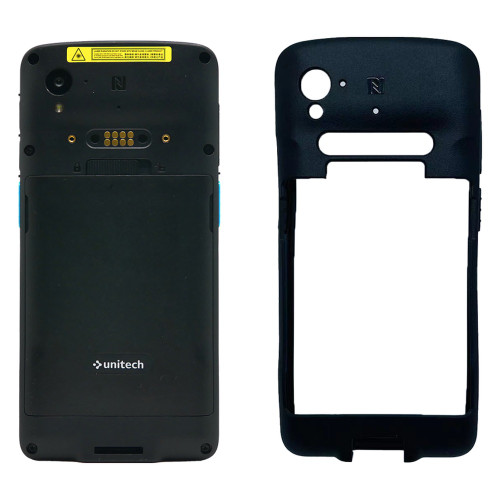
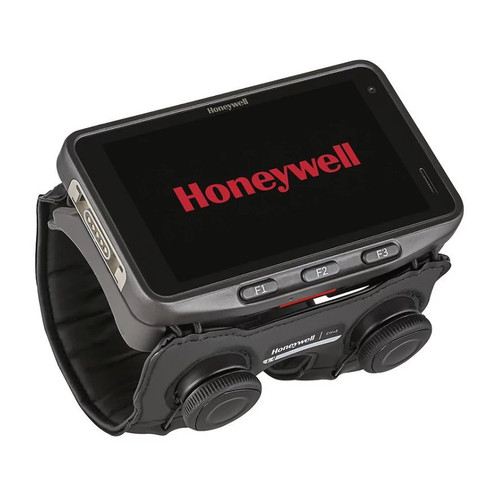
Both the Unitech EA660-NA6FTMDG-AZ3 and the Honeywell CW45-X0N-BND10SG are wearable, hands-free mobile computing devices targeting warehouse, logistics, and field operations on Android. The EA660 is positioned as a body-worn Wi-Fi scanner, while the CW45 is a wrist-mounted full mobile computer. Despite the form-factor difference, both compete in the wearable data-capture category and are cross-shopped by operations managers evaluating hands-free worker productivity tools. This comparison addresses computing power and display, durability and environmental ratings, and connectivity and ecosystem fit.
In This Guide
- Which device offers more computing power and a usable display for worker-facing applications?
- How do the two devices compare on ruggedness and environmental operating range?
- Which device provides broader connectivity and better ecosystem integration for enterprise deployments?
- Which should you choose: the EA660-NA6FTMDG-AZ3 or the CW45-X0N-BND10SG?
- Side-by-Side Specs
- FAQ
Which device offers more computing power and a usable display for worker-facing applications?
The Honeywell CW45-X0N-BND10SG provides fully documented compute specs: a Qualcomm QCS4290 Octa-Core 2.0 GHz processor, 6 GB RAM, 64 GB internal flash storage, and a 4.7-inch HD Gorilla Glass 5 touchscreen. It also includes an 8 MP front camera and a 13 MP side camera, plus NFC, enabling a wide range of worker-facing apps, image capture, and contactless workflows.
The Unitech EA660-NA6FTMDG-AZ3 specs provided do not include processor model, clock speed, RAM, internal storage capacity, or display size and type. Its operating system is listed as Android Enterprise, but no version is specified. Buyers requiring known compute baselines for WMS or logistics software certification testing will find the EA660's published spec sheet insufficient for side-by-side evaluation on this dimension.
How do the two devices compare on ruggedness and environmental operating range?
The Honeywell CW45-X0N-BND10SG carries explicit IP65 and IP67 dual ingress-protection ratings, an operating temperature range of -20°C to 50°C (-4°F to 122°F), and a storage temperature range of -30°C to 70°C (-22°F to 158°F). These are published, certifiable values that procurement and facilities teams can match against site requirements.
The Unitech EA660-NA6FTMDG-AZ3 specs provided include no IP rating, no operating temperature range, and no drop or sealing specification. The only environmental-adjacent data point is a power input listed as 11V AC, which is an unusual value for a wearable scanner and may reflect a charging adapter spec rather than device input. Buyers deploying in cold-chain, outdoor, or wet environments cannot verify suitability from the published EA660 data.
Which device provides broader connectivity and better ecosystem integration for enterprise deployments?
The Honeywell CW45-X0N-BND10SG supports Wi-Fi 6 (802.11 a/b/g/n/ac/ax), Bluetooth 5.1 BLE, USB, and NFC. Wi-Fi 6 offers improved throughput and reduced congestion in dense warehouse RF environments. Bluetooth 5.1 BLE enables low-energy peripheral pairing. FCC approval is listed. The device runs Android (non-GMS), which is relevant for enterprises that require Android Enterprise management without Google Mobile Services dependencies.
The Unitech EA660-NA6FTMDG-AZ3 supports Wi-Fi 802.11a/b/g/n and Bluetooth, with no specific Bluetooth version listed. It does not specify USB connectivity or NFC. Its Wi-Fi standard tops out at 802.11n (Wi-Fi 4), which is two generations behind the CW45's Wi-Fi 6. The warranty is specified as a 3-year manufacturer warranty with 5-day repair turnaround, which is a concrete service-level differentiator not provided for the CW45.
Which should you choose: the EA660-NA6FTMDG-AZ3 or the CW45-X0N-BND10SG?
Our take: The CW45-X0N-BND10SG is the stronger choice when buyers require verified compute performance, certified ruggedness, and modern wireless standards. The Honeywell provides a documented Qualcomm QCS4290 Octa-Core 2.0 GHz processor with 6 GB RAM and 64 GB storage versus no published compute specs for the EA660. It carries IP65/IP67 dual ratings and a -20°C to 50°C operating range versus no published environmental ratings for the EA660. Its Wi-Fi 6 (802.11ax) radio is two generations ahead of the EA660's 802.11n ceiling, a material difference in high-density warehouse RF environments. The EA660 does offer a stated 3-year warranty with 5-day repair SLA, which the CW45 spec sheet does not match explicitly. Buyers who have confirmed the EA660's suitability through vendor datasheets beyond what is published here, or who need a lighter body-worn scanner form factor at a potentially lower price point, should request full EA660 specs from Unitech before deciding.
Side-by-Side Comparison
Spec-for-spec, from manufacturer data.
| Specification | Unitech EA660-NA6FTMDG-AZ3 | Honeywell CW45-X0N-BND10SG |
|---|---|---|
| Product Type | Wearable Scanner | Wearable Mobile Computer |
| Series / Family | — | CW45 |
| Operating System | Android Enterprise | Android (non-GMS) |
| Processor | — | Qualcomm QCS4290 Octa-Core 2.0 GHz |
| RAM | — | 6 GB |
| Internal Storage | — | 64 GB Flash |
| Expandable Storage | — | microSD |
| Display | — | 4.7 in HD Gorilla Glass 5 |
| Wi-Fi Standard | 802.11a/b/g/n (Wi-Fi 4) | 802.11a/b/g/n/ac/ax (Wi-Fi 6) |
| Bluetooth | Bluetooth (version not specified) | Bluetooth 5.1 BLE |
| NFC | — | Included |
| USB Connectivity | — | Yes |
| IP Rating | — | IP65 / IP67 |
| Operating Temperature | — | -20°C to 50°C (-4°F to 122°F) |
| Battery | — | 3400 mAh Li-Ion (Standard) |
| Mount / Form Factor | Body Worn | Wrist Band |
| Camera | — | 8 MP front; 13 MP side |
| Weight | — | 263 g (9.3 oz) with standard battery |
| Warranty | 3-year manufacturer; 5-day repair SLA | — |
| Regulatory Approvals | — | FCC |
Frequently Asked Questions
Which should you choose: the EA660-NA6FTMDG-AZ3 or the CW45-X0N-BND10SG?
The CW45-X0N-BND10SG is the stronger choice when buyers require verified compute performance, certified ruggedness, and modern wireless standards. The Honeywell provides a documented Qualcomm QCS4290 Octa-Core 2.0 GHz processor with 6 GB RAM and 64 GB storage versus no published compute specs for the EA660. It carries IP65/IP67 dual ratings and a -20°C to 50°C operating range versus no published environmental ratings for the EA660. Its Wi-Fi 6 (802.11ax) radio is two generations ahead of the EA660's 802.11n ceiling, a material difference in high-density warehouse RF environments. The EA660 does offer a stated 3-year warranty with 5-day repair SLA, which the CW45 spec sheet does not match explicitly. Buyers who have confirmed the EA660's suitability through vendor datasheets beyond what is published here, or who need a lighter body-worn scanner form factor at a potentially lower price point, should request full EA660 specs from Unitech before deciding.
Is the EA660-NA6FTMDG-AZ3 or CW45-X0N-BND10SG better for cold-chain or outdoor warehouse deployments?
Based on published specs, only the Honeywell CW45-X0N-BND10SG provides verifiable environmental ratings: IP65/IP67 ingress protection and an operating range of -20°C to 50°C. The Unitech EA660-NA6FTMDG-AZ3 does not publish an IP rating or operating temperature range in the specs provided, so its suitability for cold-chain or outdoor use cannot be confirmed from available data.
Which device supports a more modern wireless standard for busy warehouse Wi-Fi networks?
The Honeywell CW45-X0N-BND10SG supports Wi-Fi 6 (802.11 a/b/g/n/ac/ax), which provides better performance in RF-congested environments with many concurrent devices. The Unitech EA660-NA6FTMDG-AZ3 is specified at Wi-Fi 802.11a/b/g/n (Wi-Fi 4). For facilities running dense access-point deployments or planning Wi-Fi 6 infrastructure upgrades, the CW45 is the better-aligned choice based on published specs.
Does the EA660-NA6FTMDG-AZ3 have a better warranty than the CW45-X0N-BND10SG?
The Unitech EA660-NA6FTMDG-AZ3 specifies a 3-year manufacturer warranty with a 5-day repair turnaround, which is a concrete, published service-level commitment. The Honeywell CW45-X0N-BND10SG specs provided do not include a warranty duration or repair SLA. Buyers for whom service-level guarantees are a procurement requirement should request warranty documentation directly from Honeywell for the CW45 before making a final decision.
More Mobile Computer Comparisons
- Honeywell CW45-X0N-AND10XG vs Unitech HT730-LJ6122BG
- Honeywell CW45-X0N-AND10XG vs Unitech HT730-LJ6142BG
- Honeywell CW45-X0N-AND10XG vs Unitech HT330-QA62TM3G-Z3
- Honeywell CW45-X0N-AND10XG vs Zebra TC2205-0G1250SS-US
- Honeywell CW45-X0N-AND10XG vs Honeywell CW45-X0N-AND10SG
- Honeywell CW45-X0N-AND10XG vs Honeywell CW45-X0N-BND10XG
Mobile Computer Buying Guides
Get a Second Opinion on Your Camera Choice
Share your site layout, coverage goals, and budget. Our team will validate the camera selection, flag anything we would change, and recommend products that match the use case.