
Ubiquiti U7-PRO-MAX vs TP-Link EAP775-WALL: Specification Comparison
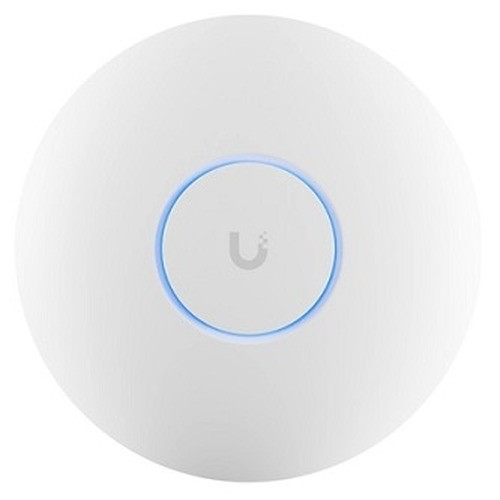
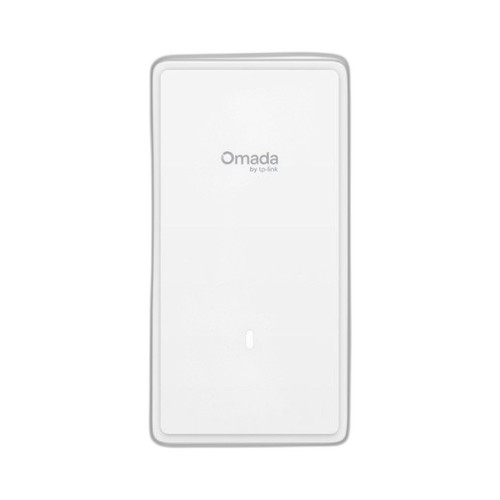
Both the Ubiquiti U7-PRO-MAX and the TP-Link EAP775-WALL are Wi-Fi 7 (802.11be) wireless access points marketed to enterprise and prosumer installers. The U7-PRO-MAX is a ceiling-mount unit targeting high-density deployments, while the EAP775-WALL is a wall-plate form factor designed for in-wall installation where ceiling mounting is impractical. Buyers evaluating either product are selecting a Wi-Fi 7 AP for a business or campus environment and may weigh form factor, band configuration, throughput ratings, power input, and management platform against site-specific constraints.
In This Guide
- Which access point delivers more RF capacity and how are bands configured?
- How do form factor, power requirements, and operating environment compare?
- What management platform, security features, and compliance certifications apply?
- Which should you choose: the U7-PRO-MAX or the EAP775-WALL?
- Side-by-Side Specs
- FAQ
Which access point delivers more RF capacity and how are bands configured?
The U7-PRO-MAX is a tri-band Wi-Fi 7 (802.11be) access point operating across 2.4 GHz, 5 GHz, and 6 GHz simultaneously. Its rated per-band speeds are 688 Mbps (2.4 GHz), 8.6 Gbps (5 GHz), and 5.8 Gbps (6 GHz BW320), yielding an aggregate that substantially exceeds the EAP775-WALL's headline figure. The spec lists 8 total spatial streams (four per band on selected bands) and supports concurrent client counts of 500+. Channel bandwidth options include HT 20/40, VHT 20/40/80/160, HE 20/40/80/160, and EHT 20/40/80 as stated in the spec.
The EAP775-WALL is rated at an aggregate BE11000 (11 Gbps) and its spec lists operation on 2.4 GHz and 5 GHz as a dual-band configuration. The spec does not explicitly confirm a 6 GHz radio for this model. No per-band speed breakdowns, no spatial stream count, and no concurrent client figure are present in the provided specs for the EAP775-WALL. Buyers requiring a confirmed 6 GHz band or detailed per-band throughput data for the EAP775-WALL should consult the manufacturer datasheet directly.
How do form factor, power requirements, and operating environment compare?
The U7-PRO-MAX uses a ceiling-mount form factor (⌀206 × 46 mm, 680 g) with a Pro Mount bracket included in the package for ceiling or wall installation. It is powered by PoE+ (802.3at, 25W consumption, 44–57V DC) over its single 2.5 GbE RJ45 uplink port. The enclosure is polycarbonate and aluminum with a stainless steel (SUS304) and galvanized steel (SGCC) mount. Its rated operating temperature range is −30 to 50 °C, making it suitable for unconditioned spaces such as warehouses or outdoor-adjacent areas.
The EAP775-WALL is a wall-plate access point designed for flush in-wall installation — a distinct form factor suited to hotel corridors, classrooms, or offices where a ceiling AP is impractical or prohibited. Its power input is listed as PoE (standard not specified beyond 'PoE' in the provided spec). The operating temperature is listed as 'Industrial' without a numeric range in the provided spec, and physical dimensions and weight are absent from the provided spec. Installers requiring confirmed wattage draw or exact temperature limits for the EAP775-WALL must reference the manufacturer datasheet.
What management platform, security features, and compliance certifications apply?
The U7-PRO-MAX is managed via Ethernet (Ubiquiti UniFi ecosystem, implied by product line) and supports dynamic RADIUS-assigned VLANs. It carries NDAA compliance, which is a procurement requirement for many U.S. federal, state, and educational institution projects. Certifications listed in the spec include CE, FCC, IC, and Anatel (08959-24-08356). No explicit WPA version is listed in the provided spec, though Wi-Fi 7 (802.11be) mandates WPA3 support by specification.
The EAP775-WALL is managed through TP-Link's Omada SDN platform, which supports centralized controller-based management and is listed as supporting both Access Point and Mesh operating modes. WPA3 encryption is explicitly confirmed in the provided spec. Bluetooth IoT capability is also listed. The spec notes compatibility with 'enterprise' environments and a maximum wired range of 100 m. NDAA compliance status is not stated in the provided spec for the EAP775-WALL. Buyers in federally funded or NDAA-sensitive projects must verify compliance independently. Additionally, the EAP775-WALL carries a 'hide_reason: pricing_violation_2026-05-06' flag in the source data, which may indicate it is not currently listed for sale and buyers should confirm availability.
Which should you choose: the U7-PRO-MAX or the EAP775-WALL?
Our take: The U7-PRO-MAX is the stronger choice when tri-band coverage, confirmed 6 GHz radio capability, and NDAA compliance are required. Its 6 GHz band alone is rated at 5.8 Gbps (BW320) and its 5 GHz band at 8.6 Gbps — figures the EAP775-WALL spec does not match on a per-band basis, and the EAP775-WALL's spec does not confirm a 6 GHz radio at all. The U7-PRO-MAX also specifies 500+ concurrent clients and 8 spatial streams, while neither figure appears in the EAP775-WALL spec. Its −30 to 50 °C operating range exceeds the EAP775-WALL's unquantified 'Industrial' rating. The EAP775-WALL's wall-plate form factor is its primary differentiator: for installations where ceiling mounting is architecturally or contractually impossible — hotel rooms, hospital corridors, MDU suites — it addresses a constraint the U7-PRO-MAX's ceiling-mount design does not. Choose the EAP775-WALL only when the in-wall form factor is a hard requirement and confirm its 6 GHz capability and NDAA status independently before specifying.
Side-by-Side Comparison
Spec-for-spec, from manufacturer data.
| Specification | Ubiquiti U7-PRO-MAX | TP-Link EAP775-WALL |
|---|---|---|
| Wi-Fi Generation | Wi-Fi 7 (802.11be) | Wi-Fi 7 (802.11be) |
| Bands | Tri-band (2.4 / 5 / 6 GHz) | Dual-band (2.4 / 5 GHz per spec; 6 GHz not confirmed) |
| Aggregate Speed Rating | 15.1 Gbps (sum of bands per spec) | BE11000 (11 Gbps aggregate) |
| 6 GHz Throughput | 5.8 Gbps (BW320) | — |
| 5 GHz Throughput | 8.6 Gbps | — |
| 2.4 GHz Throughput | 688 Mbps | — |
| Spatial Streams | 8 total | — |
| Concurrent Clients | 500+ | — |
| Form Factor | Ceiling mount (⌀206 × 46 mm) | Wall plate |
| Power Input | PoE+ (802.3at, 25W, 44–57V DC) | PoE (standard not specified) |
| Uplink Port | (1) 2.5 GbE RJ45 | — |
| Operating Temperature | −30 to 50 °C | Industrial (numeric range not specified) |
| Management Platform | UniFi (Ethernet managed) | Omada SDN (AP / Mesh modes) |
| WPA3 Support | Not explicitly stated (Wi-Fi 7 mandates it) | Yes (explicitly stated) |
| NDAA Compliant | Yes | Not stated in spec |
| Certifications | CE, FCC, IC, Anatel | Not stated in spec |
Frequently Asked Questions
Which should you choose: the U7-PRO-MAX or the EAP775-WALL?
The U7-PRO-MAX is the stronger choice when tri-band coverage, confirmed 6 GHz radio capability, and NDAA compliance are required. Its 6 GHz band alone is rated at 5.8 Gbps (BW320) and its 5 GHz band at 8.6 Gbps — figures the EAP775-WALL spec does not match on a per-band basis, and the EAP775-WALL's spec does not confirm a 6 GHz radio at all. The U7-PRO-MAX also specifies 500+ concurrent clients and 8 spatial streams, while neither figure appears in the EAP775-WALL spec. Its −30 to 50 °C operating range exceeds the EAP775-WALL's unquantified 'Industrial' rating. The EAP775-WALL's wall-plate form factor is its primary differentiator: for installations where ceiling mounting is architecturally or contractually impossible — hotel rooms, hospital corridors, MDU suites — it addresses a constraint the U7-PRO-MAX's ceiling-mount design does not. Choose the EAP775-WALL only when the in-wall form factor is a hard requirement and confirm its 6 GHz capability and NDAA status independently before specifying.
Is the U7-PRO-MAX or EAP775-WALL better for a high-density venue with 300+ simultaneous users?
Based on the provided specs, the U7-PRO-MAX is the documented choice for high-density use: it lists support for 500+ concurrent clients, 8 spatial streams, and a dedicated 6 GHz band at 5.8 Gbps to offload congestion. The EAP775-WALL spec provides no concurrent client count, no spatial stream figure, and does not confirm a 6 GHz radio, so its suitability for dense deployments cannot be confirmed from the available data.
Can either access point be used in a project subject to NDAA purchasing requirements?
The U7-PRO-MAX is explicitly listed as NDAA compliant in its spec. The EAP775-WALL spec does not state NDAA compliance status. Buyers on federally funded projects or those subject to NDAA Section 889 restrictions should verify the EAP775-WALL's status directly with TP-Link before specifying it.
Which unit requires less PoE budget per port — the U7-PRO-MAX or the EAP775-WALL?
The U7-PRO-MAX specifies a power consumption of 25W and requires a PoE+ (802.3at, up to 30W) port. The EAP775-WALL lists only 'PoE' without specifying wattage draw or the exact PoE standard (802.3af or 802.3at) in the provided spec. Switch port planning should be confirmed against the EAP775-WALL manufacturer datasheet. If PoE budget per port is a constraint, the U7-PRO-MAX's 25W figure is the only verified number available from the provided specs.
Get a Second Opinion on Your Camera Choice
Share your site layout, coverage goals, and budget. Our team will validate the camera selection, flag anything we would change, and recommend products that match the use case.